Last updated November 21, 2026
 Raised-panel steel
 Carriage house
 Modern flush
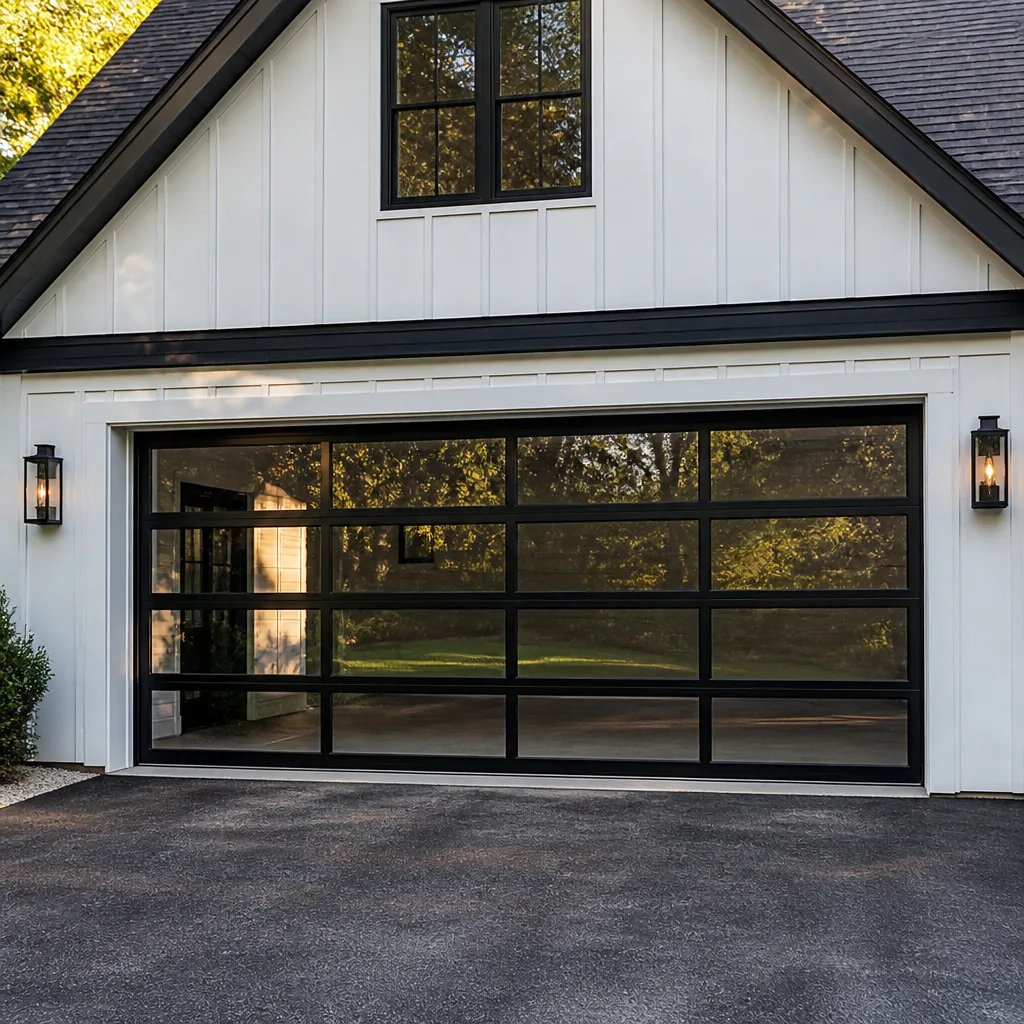 Full-view glass
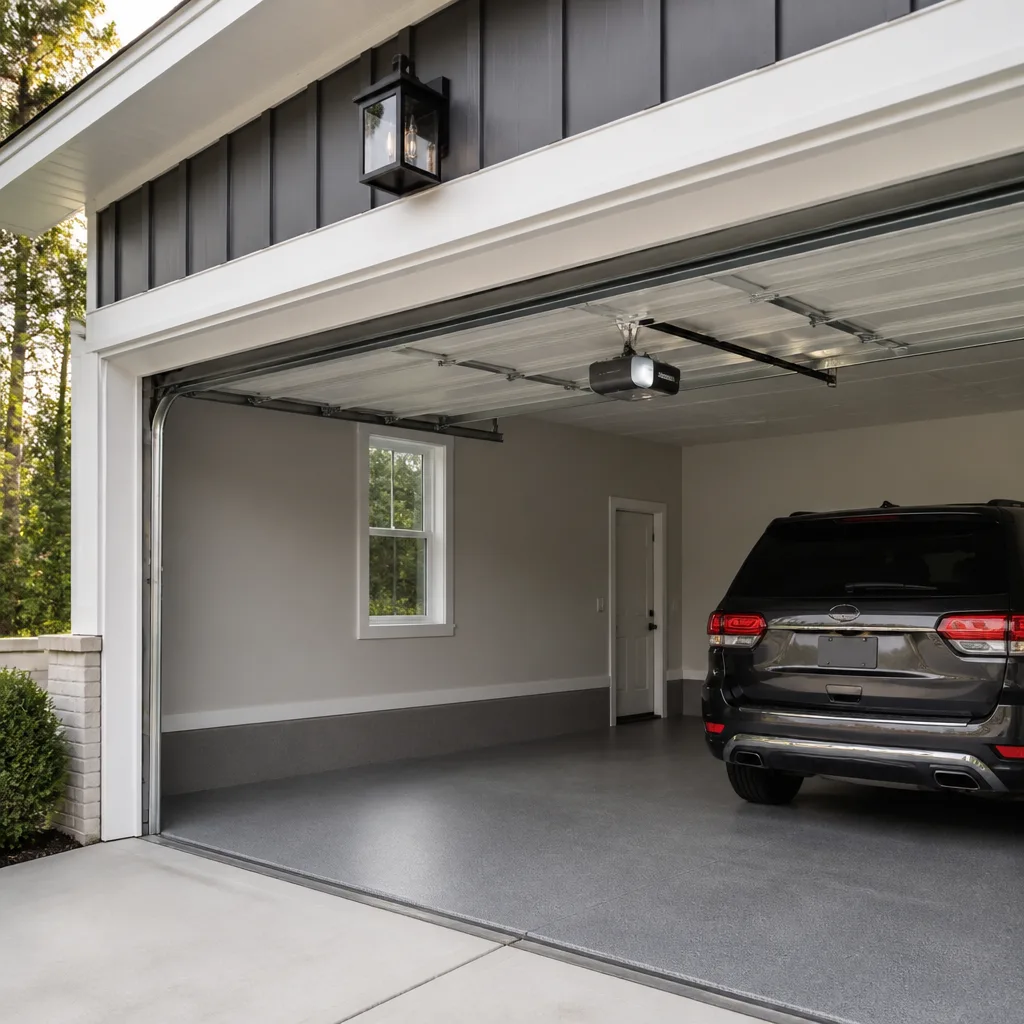 LiftMaster openers
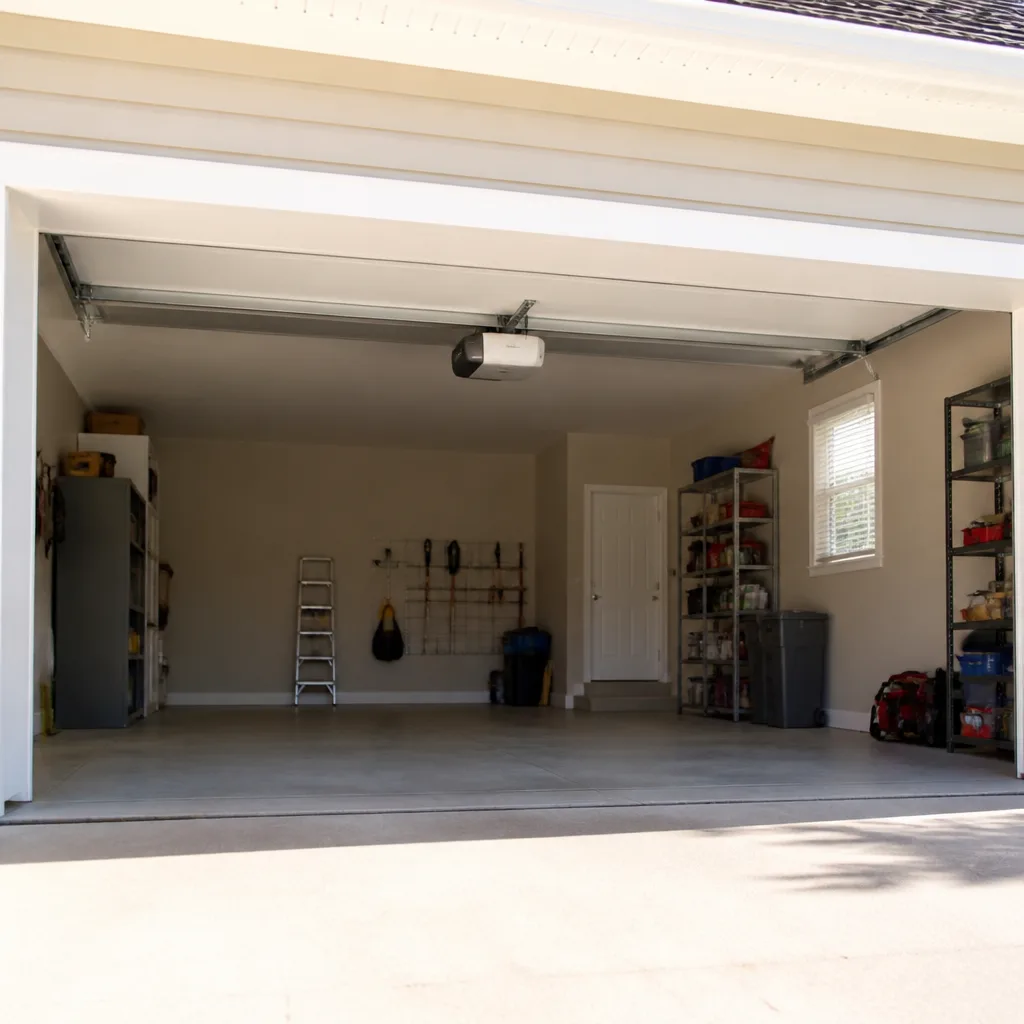 Chamberlain openers
Full 25-point door and opener safety check with every visit - springs, cables, rollers, tracks, and your LiftMaster or Chamberlain opener included
You get a price before we start. It does not change when the pro arrives.
Get your free estimateGarage Door Repair Maintenance Schedule: What to Do and When
Most homeowners assume a garage door fails because it got old. In our experience, the more common culprit is a door that’s been quietly out of balance for a long time, forcing the opener motor to drag extra weight through every single cycle. A spring doesn’t snap because of a birthday. It snaps because it spent years working harder than it should have. That’s why we built this guide around a tiered schedule rather than a single annual checklist. Some checks belong every month. Some belong every quarter. A few belong once every couple of years, performed by someone with the right tools. If you’re in Northland and you’ve never tested your door’s balance, this guide will show you where to start, what to lubricate (and what never to spray), and how a simple maintenance log can protect you at warranty time and at resale.
Quick Answer
A garage door maintenance schedule works in four tiers: monthly visual and balance checks, quarterly lubrication of moving parts, a semi-annual hardware and torque inspection, and an annual professional inspection of springs, cables, and balance. In Ohio, add a pre-freeze weatherstripping check and a post-thaw track and rust inspection. The single most important habit is the monthly balance test, because an unbalanced door wears out springs and opener motors far faster than normal use.
Styles & brands we work with
- Raised-panel steel
- Carriage house
- Modern flush
- Full-view glass
- LiftMaster openers
- Chamberlain openers
Table of Contents
- Why a Tiered Schedule Beats an Annual Checklist
- Tier 1: Monthly Visual Checks and the Balance Test
- Tier 2: Quarterly Lubrication Done Right
- Tier 3: The Semi-Annual Hardware and Torque Check
- Tier 4: The Annual Professional Inspection
- Ohio Seasonal Prep: Before the Freeze and After the Thaw
- Building a Maintenance Log That Protects You
- The Parts You Should Never Adjust Yourself
Why a Tiered Schedule Beats an Annual Checklist
Search for “garage door maintenance schedule” and most results hand you one long list with no sense of priority. Tighten this, lubricate that, inspect the other thing, once a year. The problem is that a torsion spring can lose tension gradually over months, and the balance issue it creates shows up long before anyone gets around to the annual check. Meanwhile, some tasks genuinely don’t need doing more than once every few years, and doing them too often can do more harm than good.
Think of it in tiers:
- Monthly: visual checks and the balance test. Fast, free, and catches the problem that quietly wrecks openers.
- Quarterly: lubrication of hinges, rollers, and the torsion spring coil, with the correct product.
- Semi-annual: tightening loose hardware and checking the track and weather seal.
- Annual: a trained look at springs, cables, and overall balance, because those are the parts that carry stored energy and can’t be safely assessed by eye.
Every garage door system is under significant stored tension. Springs hold the door’s weight; cables transfer that tension to the bottom corners. The monthly and quarterly work is homeowner territory. The annual inspection is where a specialist earns their call. We only do garage doors at Garage Door Repair Northland, and the pattern we see over and over is that the doors that last are the ones where someone was paying attention between professional visits.
Tier 1: Monthly Visual Checks and the Balance Test
Five minutes once a month covers the checks that catch most problems early. Do them with the door closed, then repeat the balance portion with the opener disengaged.
- Look at the springs. With the door down, check the torsion spring above the door or the extension springs along the sides. A visible gap in a torsion spring coil, or a stretched-out extension spring, means it’s done. Don’t touch it. Call for spring repair.
- Run the door and listen. Grinding, squealing, or a rhythmic thump is your cue that something is loose or dry. Smooth is normal; noisy is not.
- Check the safety reverse. Put a roll of paper towels or a block of wood in the door’s path and close it. The door should reverse on contact. If it doesn’t, stop using the opener and get it looked at.
- Scan the tracks and rollers. Look for bent track, rollers sitting crooked in the track, or a roller that’s wobbled out of its hinge.
- Run the balance test. Pull the opener release cord (with the door closed so nothing drops), lift the door halfway by hand, and let go. A balanced door holds roughly where you left it. A door that slides down on its own, or shoots up, is out of balance.
That last test matters more than the other four combined. An out-of-balance door means the springs are no longer carrying their share of the load, so the opener motor takes it on instead. Do that month after month and you’ll replace an opener that didn’t need replacing. For Northland homeowners with older openers, this is the single biggest preventable failure we come across. If your balance test fails, that’s the moment to look into garage door opener repair before the motor burns out, or spring work to put the door back in balance.
Tier 2: Quarterly Lubrication Done Right
Here’s where the most common maintenance mistake happens: WD-40 on the springs and rollers. Standard WD-40 is a solvent and light penetrant, not a lubricant. Spray it on a torsion spring and it strips away what little lubrication is there, then evaporates, leaving the metal dry. On rollers, it attracts dust and grit that works into the bearings. Over time, that speeds up wear rather than slowing it down. Swap the can for a proper garage door lubricant, white lithium grease for the tracks and hinges, or a silicone-based spray for the moving parts.
Quarterly lubrication, done properly:
- Torsion spring: a light coat of garage door lubricant along the coil. This is the one part people forget, and it’s the one carrying the most stress.
- Hinges: one small shot of lubricant at each hinge pivot point. Don’t soak them. Excess collects dirt.
- Rollers: a drop on the roller stems, not the wheels themselves. Nylon rollers need very little; steel rollers need a bit more.
- Tracks: a thin film of white lithium grease along the inside curves, not a heavy coat. A dry, clean track with a light film runs smoothest.
- Opener chain or screw (if your opener has one): a light application of the manufacturer’s recommended lubricant. Some modern openers, including certain Genie and LiftMaster models, use a belt drive that needs no lubrication at all, so check your manual first.
Skip the bottom seal and weatherstripping during this step. Those get a different treatment in the seasonal section below. A properly lubricated door in Northland runs noticeably quieter than a dry one, which is a good sign you’ve done it right.
Tier 3: The Semi-Annual Hardware and Torque Check
Twice a year, walk the whole system with a socket set and check what vibration has loosened. Garage doors vibrate with every cycle, and over months, bolts and brackets work themselves loose. A loose hinge or roller bracket puts stress on the panel it’s attached to, and a cracked panel is a much bigger job than a tightened bolt.
- Tighten the hinge and roller bracket bolts. Snug, not cranked. Over-tightening strips the threads in the panel.
- Check the track brackets. The lag bolts holding the track to the wall should be firmly seated. If any are loose, the track can shift out of alignment.
- Test the door’s manual operation. With the opener disengaged, lift the door through its full travel by hand. It should move smoothly with even effort. Any catch, jump, or heavy spot tells you the tracks or rollers need attention.
- Inspect the weather seal along the bottom. Run a hand along the bottom seal where it meets the floor. Gaps, tears, or hardened, flattened rubber mean cold air and pests are getting in. Semi-annual is the right interval for this check, not annual, because a seal split in fall means a full winter of drafts before the next inspection.
- Check the photo-eye alignment. The safety sensors on either side of the door should have their indicator lights lit. If one is dark or flickering, wipe the lens and adjust the bracket.
This is also the right time to inspect the panels for damage. A panel that’s taken a knock, or that’s starting to delaminate at the edge, gets worse with every freeze-thaw cycle. For doors from Clopay, Amarr, or Wayne Dalton, panel replacements are usually straightforward if you catch them early. Wait until the panel’s out of production and you may be looking at a full replacement instead. If you’re weighing repair against replacement, it’s worth reading up on garage door repair options before you decide.
Tier 4: The Annual Professional Inspection
Once a year, have a trained technician go over the parts you can’t safely assess yourself. The annual inspection covers springs, cables, the balance at full travel, and the opener’s internal settings. This is not something you can replicate with a homeowner checklist, because the parts in question are under stored tension and a mistake with them can cause serious injury.
What a proper annual inspection looks at:
- Torsion and extension springs: coil condition, tension, and whether they’re holding the door’s weight as they should.
- Cables: fraying, kinks, worn drums, and slack. A cable that’s starting to fray is a warning, not a nuisance.
- Balance under load: the same test you do monthly, done at both half-open and near-closed positions, where imbalance shows up more clearly.
- Opener force and travel limits: whether the opener is still set correctly for the door’s actual weight. A force setting that’s been dialed up to compensate for a heavy door stresses both the opener and the door.
- Hardware condition overall: anything that’s worn past the point where tightening or lubricating helps.
If your door or opener is a brand we know well, the annual inspection is a chance for a real conversation about what’s wearing and what to plan for. Our technicians have up to 8 years of experience and are trained on Genie, LiftMaster, Chamberlain, Genie, Clopay, Amarr, Wayne Dalton, Craftsman, and Raynor equipment. That matters because the specific hardware in your garage dictates what to look at and what tends to fail first. When something does need replacing, we also supply garage door parts directly, which avoids the wait on special-order components. If you’re considering a new door, garage door installation is a separate process, and the annual inspection is the right time to start that conversation.
Ohio Seasonal Prep: Before the Freeze and After the Thaw
Northland winters are hard on doors. Freeze-thaw cycles do more damage to a garage door in a season than a full year of normal use, because moisture gets into seals, joints, and tracks and expands when it freezes. Two brief prep windows, one before the first hard freeze and one after the thaw, cover most of the seasonal damage.
Before the first freeze:
- Inspect and replace the bottom seal if it’s hardened, cracked, or not meeting the floor. Cold air pours through a failed seal all winter.
- Check the weatherstripping around the door jambs and along the top. Replacing worn strips now is a small job; doing it in January is a miserable one.
- Lubricate the moving parts one final time before winter. Cold thickens grease, so cleaner and lighter is better going into the freeze.
- Make sure the tracks are clean of debris and any standing water drains away from the door’s base. Ice at the track base can lock the door in place.
After the winter thaw:
- Check the tracks for misalignment. Freeze-thaw movement at the base is one of the most common causes of a door that runs rough in spring.
- Look for rust at the hinges, bolts, and along the bottom panel edge. Rust caught early on a steel door is a ten-minute fix. Rust caught a year later is a panel.
- Re-test the balance. Cold weather can affect spring performance, and a door that was balanced in fall may be off after a hard winter.
- Run the required maintenance cycle on the opener. A door that hasn’t been cycled daily for weeks sometimes needs a couple of runs to loosen up.
Do both prep windows as a scheduled task rather than a reactive one. Homeowners in Northland who follow this pattern get through winter with far fewer failures than those who call only when something breaks.
Building a Maintenance Log That Protects You
A maintenance log takes five minutes to start and can save real money later. It’s the record that shows a door was looked after, and it’s the first thing a warranty department asks for when you file a spring or opener claim. Manufacturers like Clopay and Amarr typically want to see that the door was properly maintained when they assess a claim, and a repair done without a record is harder to prove.
What to record:
- The date of every monthly balance test, with a simple pass or fail.
- The date and type of every quarterly lubrication.
- The date of the semi-annual hardware check, and anything you tightened or replaced.
- Every professional visit, with what was inspected and what was recommended.
- The model number of your door and opener, plus the part numbers of anything replaced.
Keep it in the garage, or snap a photo of each entry on your phone. At resale, a maintenance log is a genuine selling point. A buyer wants to see that the overhead door was maintained, not just that it opened on inspection day. Disclosure conversations go smoother with a log in hand, particularly for a door that’s had spring work done. If you’d rather have a single professional record, our technicians can document the annual inspection and hand you the file.
The Parts You Should Never Adjust Yourself
A garage door is one of the few things in a home that can seriously hurt someone when it’s handled wrong. Torsion springs and cables are under high stored tension, and there’s no safe way for a homeowner to release or adjust that tension without proper tools and training. This is the part of maintenance where we recommend a call rather than a YouTube tutorial.
- Don’t adjust torsion springs. Loosening a winding bar the wrong way can cause the spring to release suddenly, which can break bones or worse. There’s no trick to doing this safely at home.
- Don’t cut or slacken cables. Cables carry the spring tension to the door’s corners, and slackening one with the door up can let the door drop.
- Don’t loosen the bottom brackets. The bottom brackets are where the cables attach, and they’re under tension whenever the door is closed.
- Don’t disable the safety reverse. If the door won’t reverse, that’s a problem to fix, not a feature to disable.
- Don’t turn the opener force setting up to compensate for a heavy door. That’s a temporary patch that stresses the opener and the door, and it hides the real problem.
The checks in this guide are chosen specifically because they can be done safely without touching anything under tension. If a check points to a spring or cable problem, call a professional. It’s not a matter of being cautious. It’s the difference between a door that works and an injury.
Common Mistakes to Avoid
- Using WD-40 on the springs and rollers. It’s a solvent, not a lubricant, and it accelerates wear by stripping the real lubricant off. Use a proper garage door lubricant or white lithium grease instead.
- Skipping the balance test. A door that’s out of balance works the opener motor to death and shortens spring life. In Northland, where doors run every day through cold winters, this is the failure we see most.
- Over-tightening bolts during the semi-annual check. Snug is the goal. Cranking a hinge bolt strips the panel thread and is a bigger repair than the loose bolt was.
- Waiting for spring failure before calling. Springs give warning signs, and catching them before they snap is a much smaller job. A snapped torsion spring can also leave the door stuck closed for days while you wait for a part.
- Using the annual inspection as the only maintenance. Twelve months between balance checks is plenty of time for a door to go out of balance and burn out the opener.
- Ignoring the bottom seal after the thaw. A split seal lets cold air and pests in, and it’s the most common small job we fix in spring in Northland.
- Forgetting to keep records. A maintenance log shows warranty departments and buyers that the door was cared for. Without it, you’re relying on memory.
See the difference
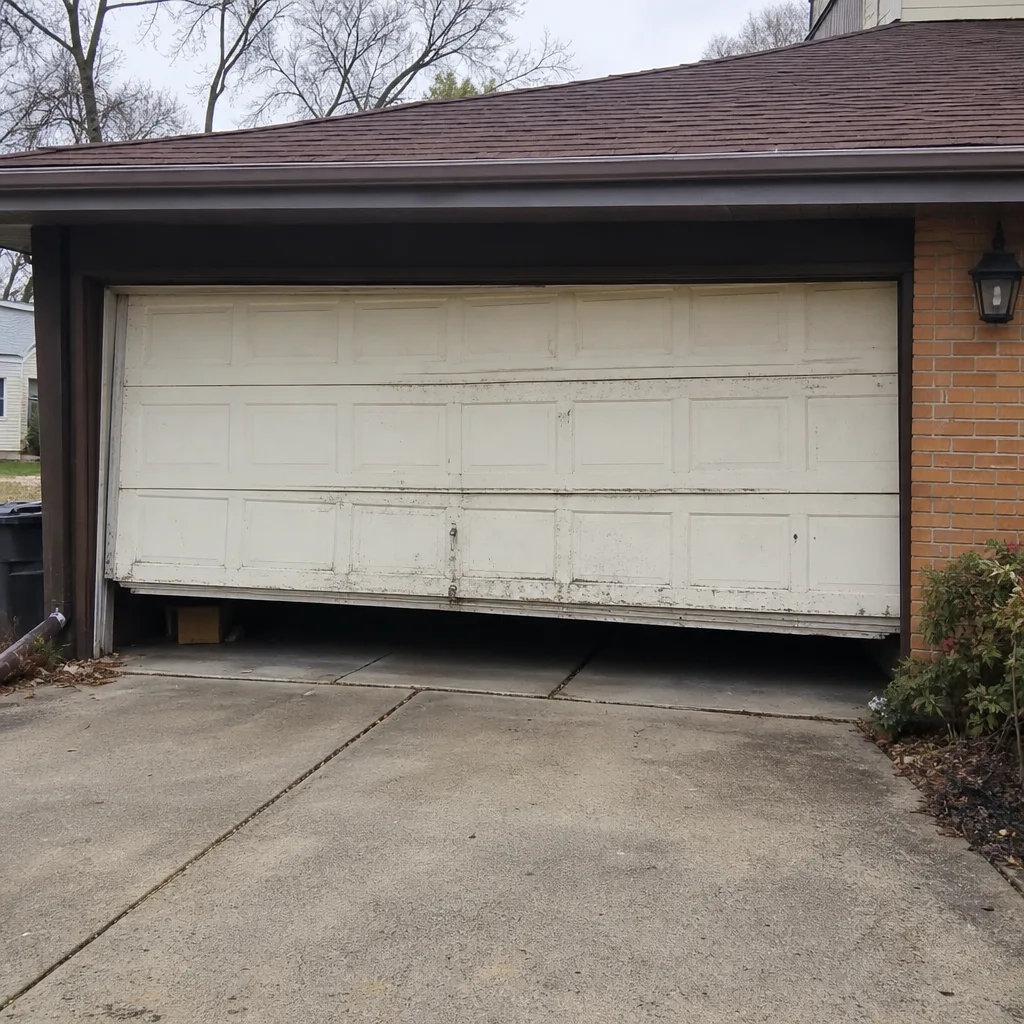 Before
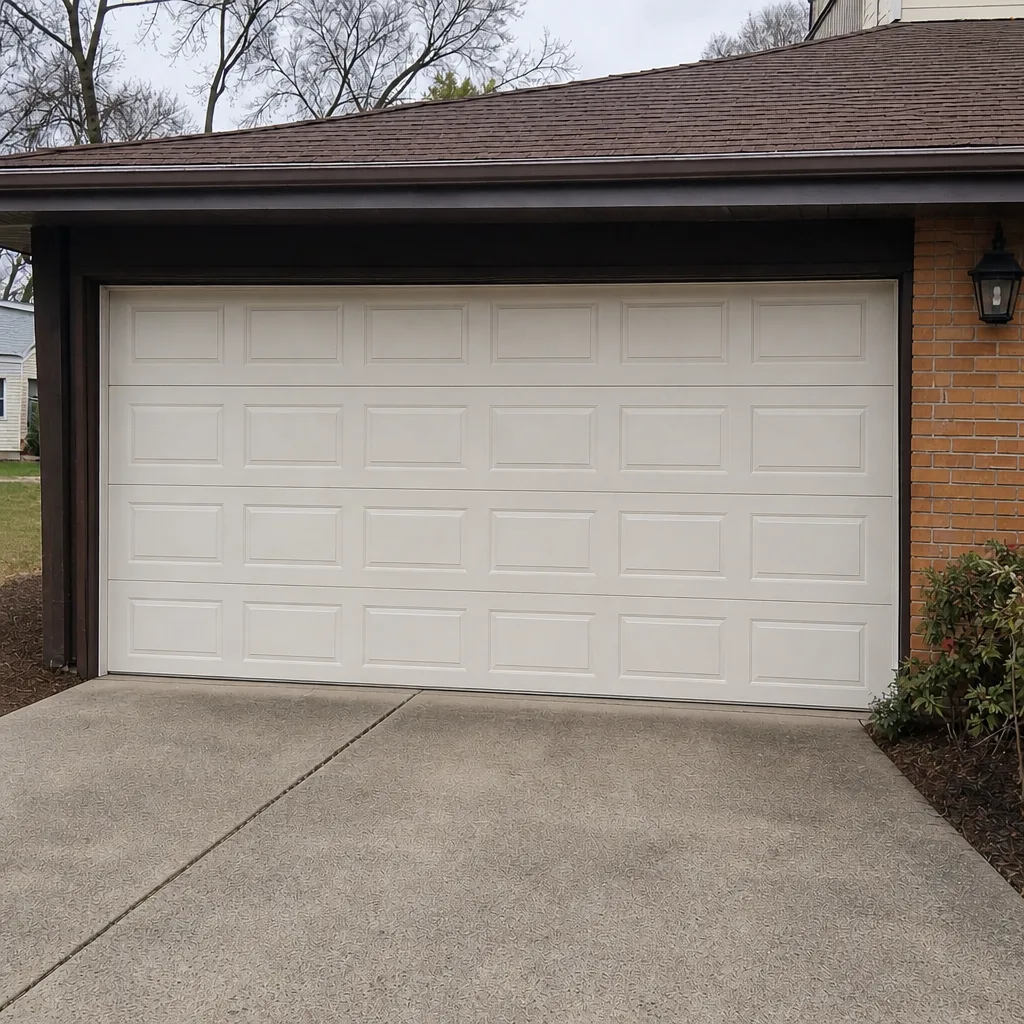 After
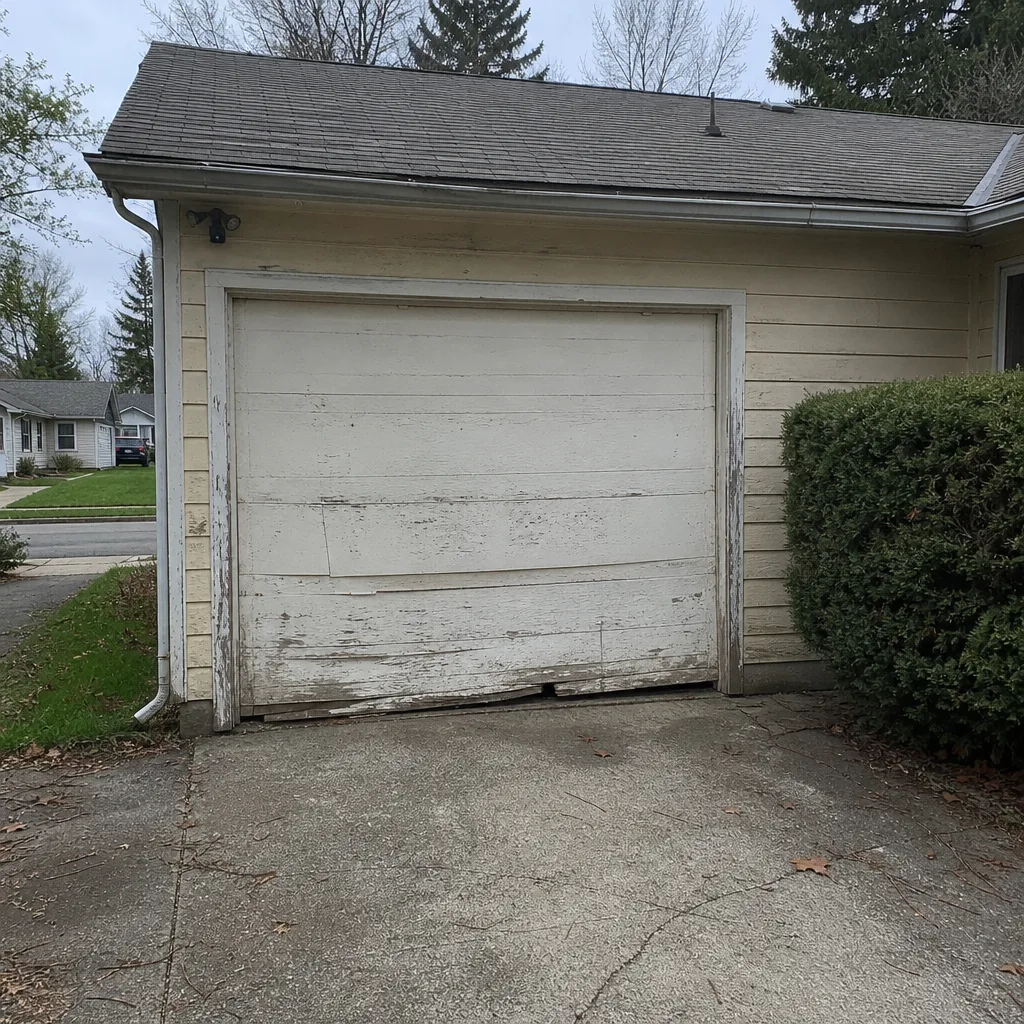 Before
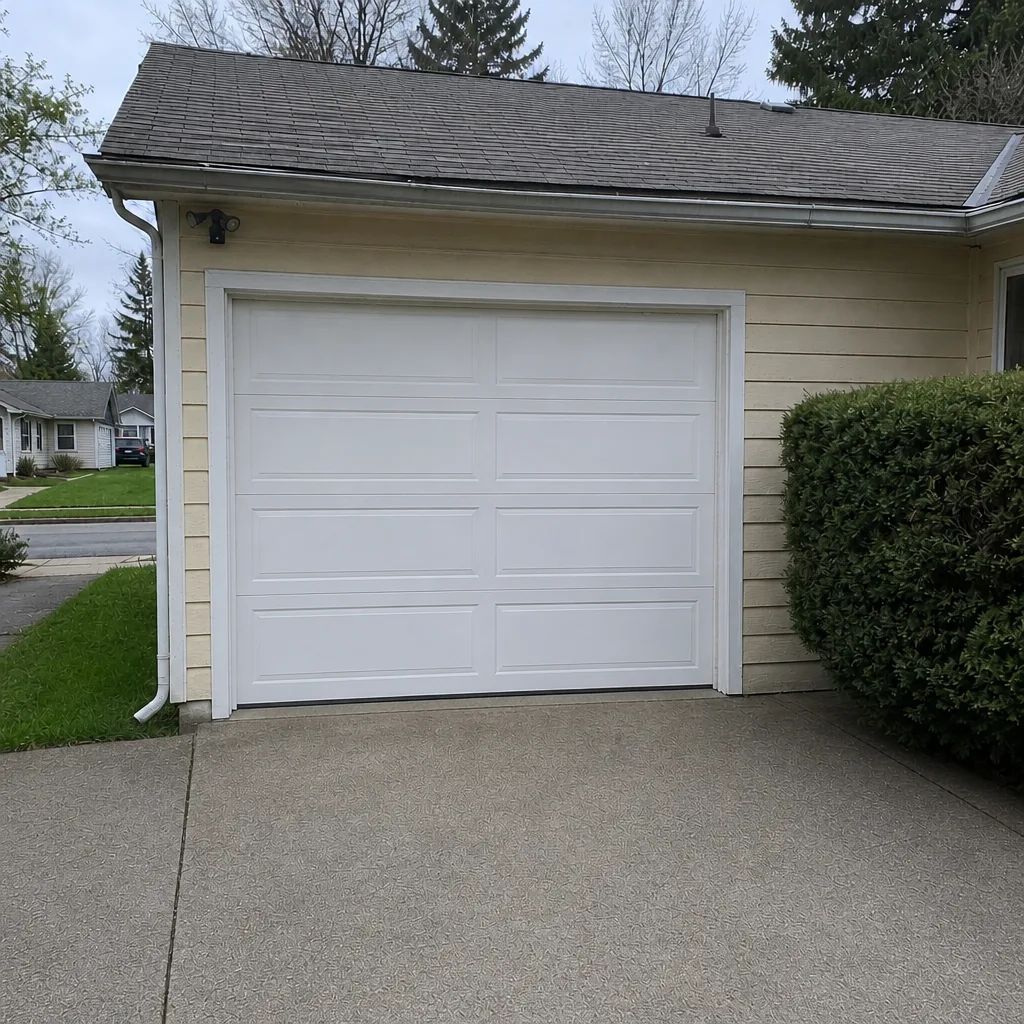 After
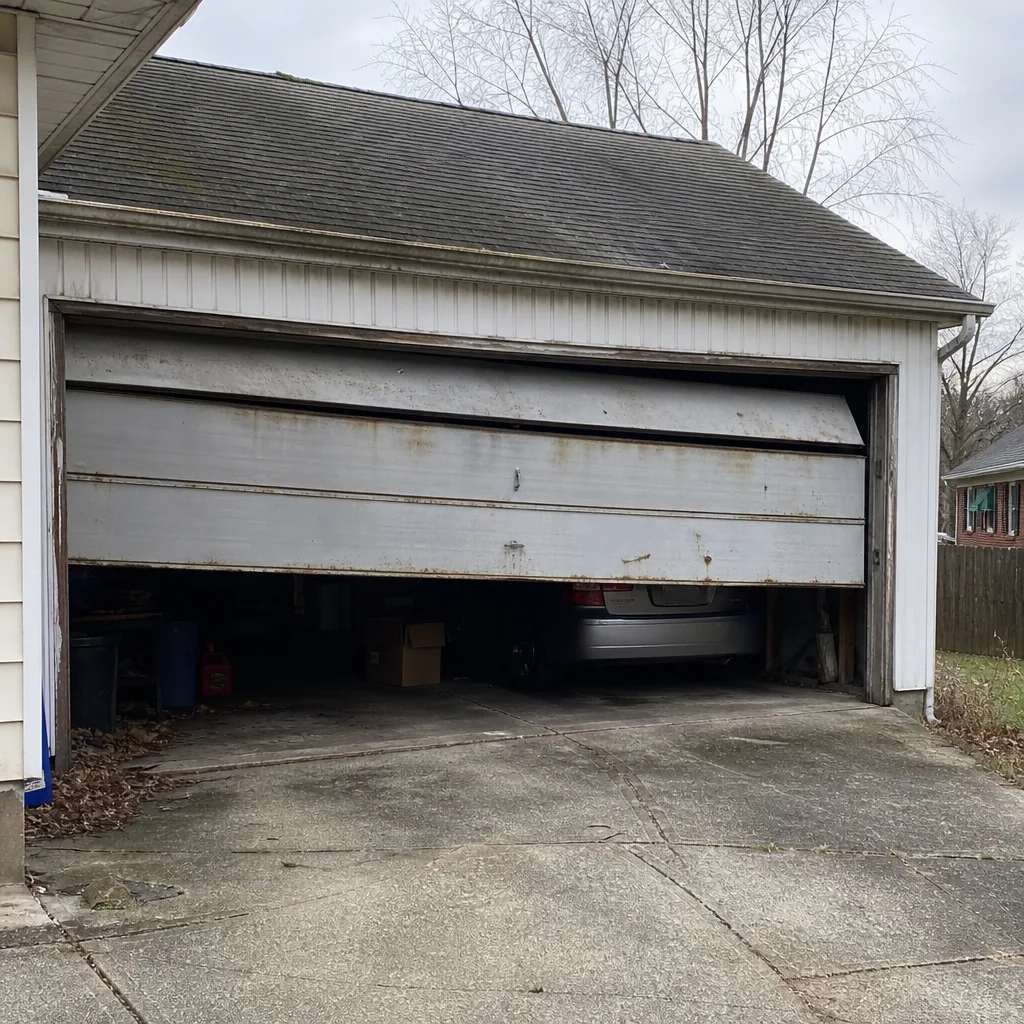 Before
 After
When to Call a Professional
Most of this guide is homeowner territory, but a few situations warrant a call rather than a checklist. If your door fails the balance test and the springs look visually intact, that’s a diagnosis to book. If a torsion spring has a visible gap, stop using the door and call. If the door comes off its track or one side hangs lower than the other, that’s a mechanical problem to fix before the door runs again. If the opener reverses unpredictably or makes a grinding noise on the way up, that’s a professional check, not a wait-and-see. And when you’re not sure whether the symptom points to a spring, a cable, or the opener itself, it’s worth having someone look before you buy a part. If your system needs garage door repair in Northland, we offer free estimates and we’ll tell you plainly what the door needs. Call (866) 347-6067 to book.
Frequently Asked Questions
Once a year is the right interval for most homes. The annual inspection covers springs, cables, and balance, the parts that can’t be safely checked by a homeowner. If your door runs heavily or you’re in Northland where winter puts extra stress on the system, don’t push past a year between professional checks. Call (866) 347-6067 if it’s been longer than that.
Use a dedicated garage door lubricant or white lithium grease on the hinges, rollers, and torsion spring, and silicone spray for the moving parts. Avoid WD-40, which is a solvent rather than a lubricant, and avoid heavy axle grease. Lubricate quarterly, not more often. If you’re unsure what your specific door or opener needs, we can point you to the right product when we do the annual inspection.
Yes, and that’s exactly why it’s the biggest maintenance blind spot. The door can look and feel fine and still fail the balance test, because the springs have lost tension gradually. Run the test yourself once a month: disengage the opener, lift the door halfway, and let go. If it drifts down or up instead of holding, it’s out of balance. Call (866) 347-6067 to book a check before it takes out the opener.
Replace a worn or hardened bottom seal, check the weatherstripping around the jambs and top, and lubricate the moving parts one last time. Make sure the tracks are clean and water drains away from the door’s base. Doing this before the freeze prevents more problems than any fix you do in January. If you’d rather have the professional version of this, call (866) 347-6067 for a seasonal check.
Yes, warranty departments generally ask for evidence that the door was maintained when you file a claim. A maintenance log showing regular balance tests, lubrication, and annual inspections is exactly what they look for. Keep a simple written record, or let us document the annual inspection and give you the file. Call (866) 347-6067 to book.
The monthly balance test. It’s the fastest, cheapest check in the whole schedule, and it catches the single failure that most often takes out opener motors and shortens spring life. Five minutes once a month is all it takes, and it tells you when a door needs professional attention before the symptom gets expensive. If your door fails the test, call (866) 347-6067 for a free estimate.
The Bottom Line
Garage door maintenance isn’t one annual task. It’s four tiers: monthly visual checks and the balance test, quarterly lubrication with the right product, a semi-annual hardware and weather seal inspection, and an annual professional look at springs, cables, and balance. In Ohio, add a pre-freeze check on the bottom seal and weatherstripping, and a post-thaw inspection of the tracks and rust. Keep a log of what you do and when, because it protects you at warranty time and at resale. And run the balance test first. It’s the smallest task on the schedule and the one that prevents the biggest problems. If you’d like a professional check, call (866) 347-6067 for a free estimate.
Written by the team at Garage Door Repair Northland.