Last updated November 21, 2026
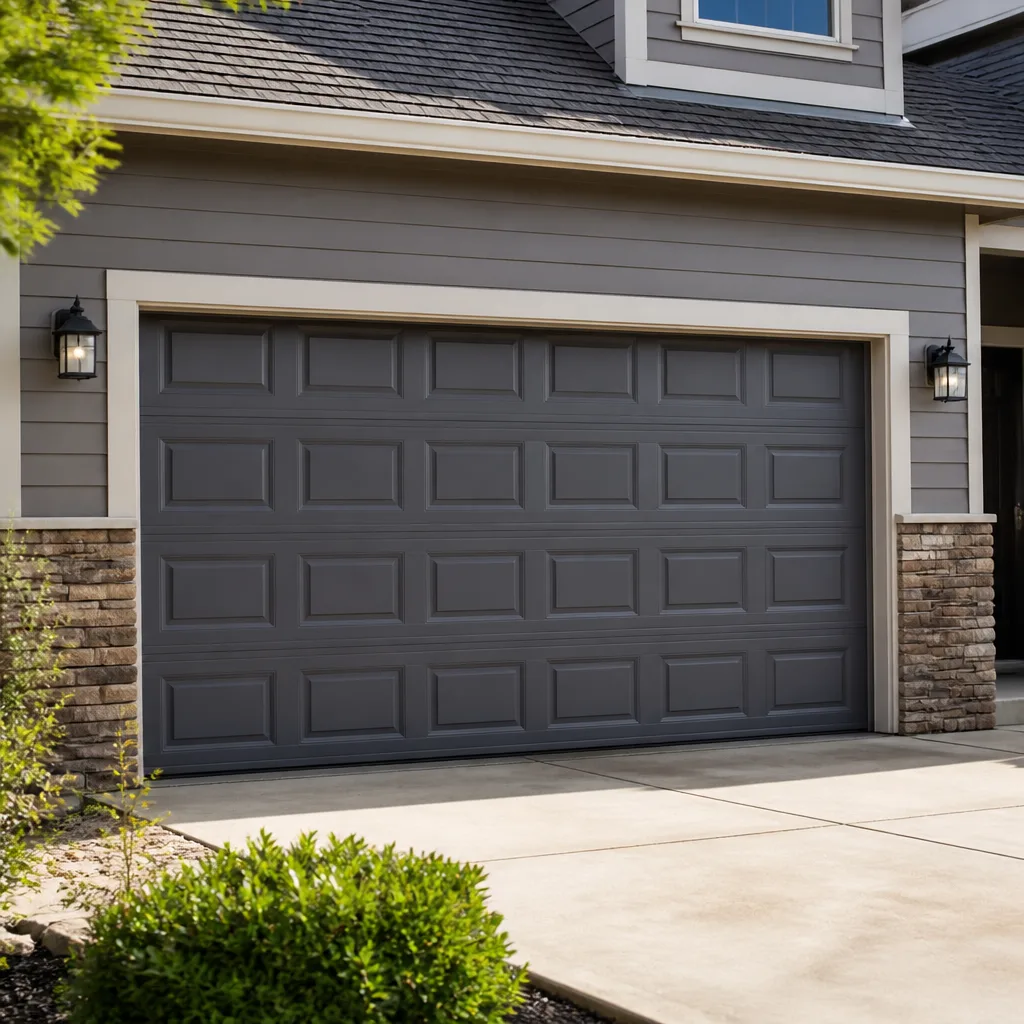 Raised-panel steel
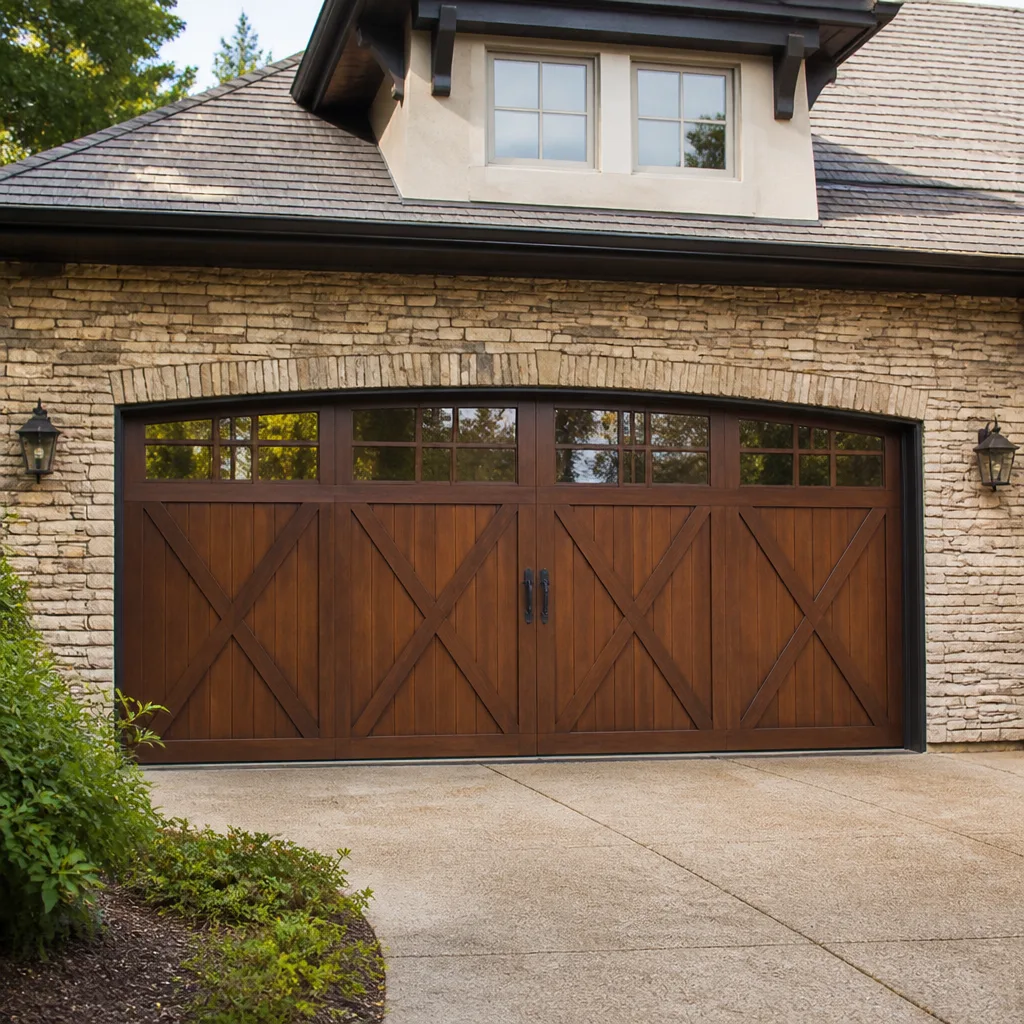 Carriage house
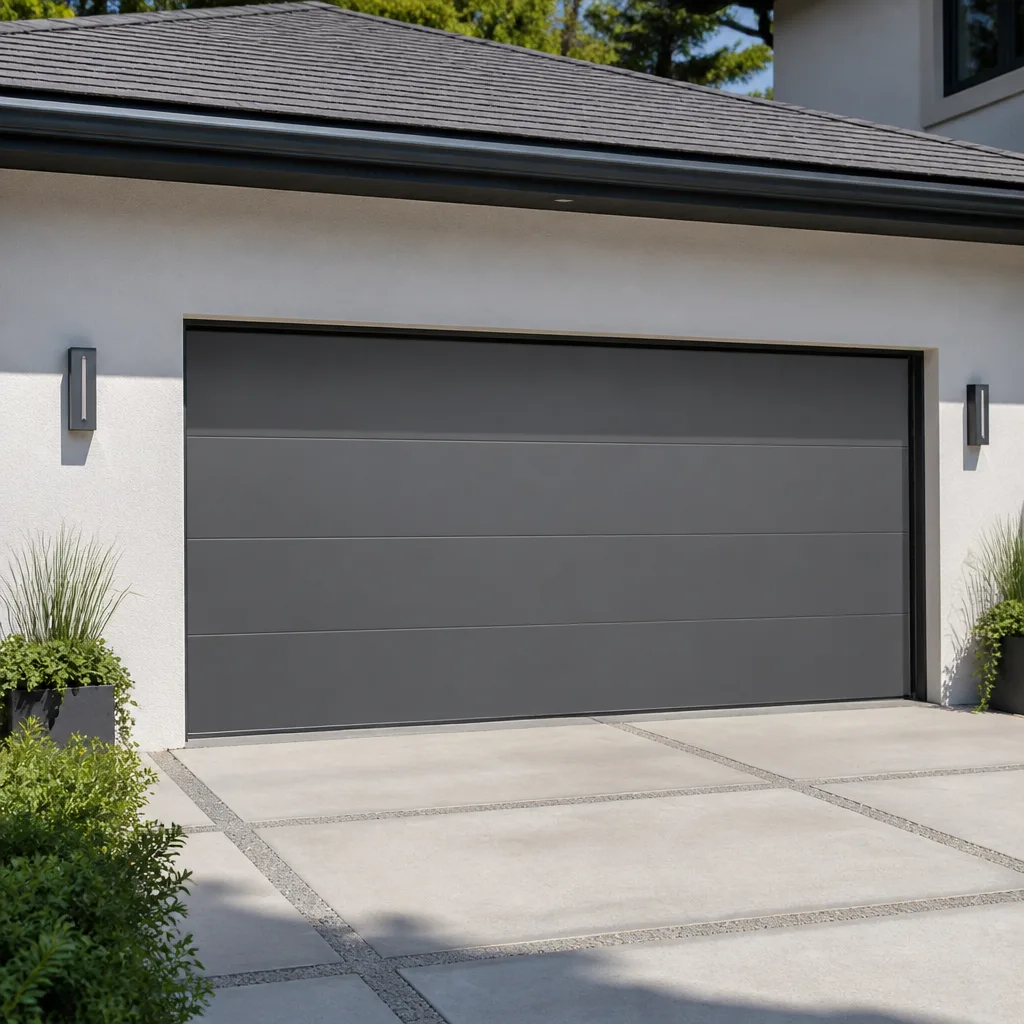 Modern flush
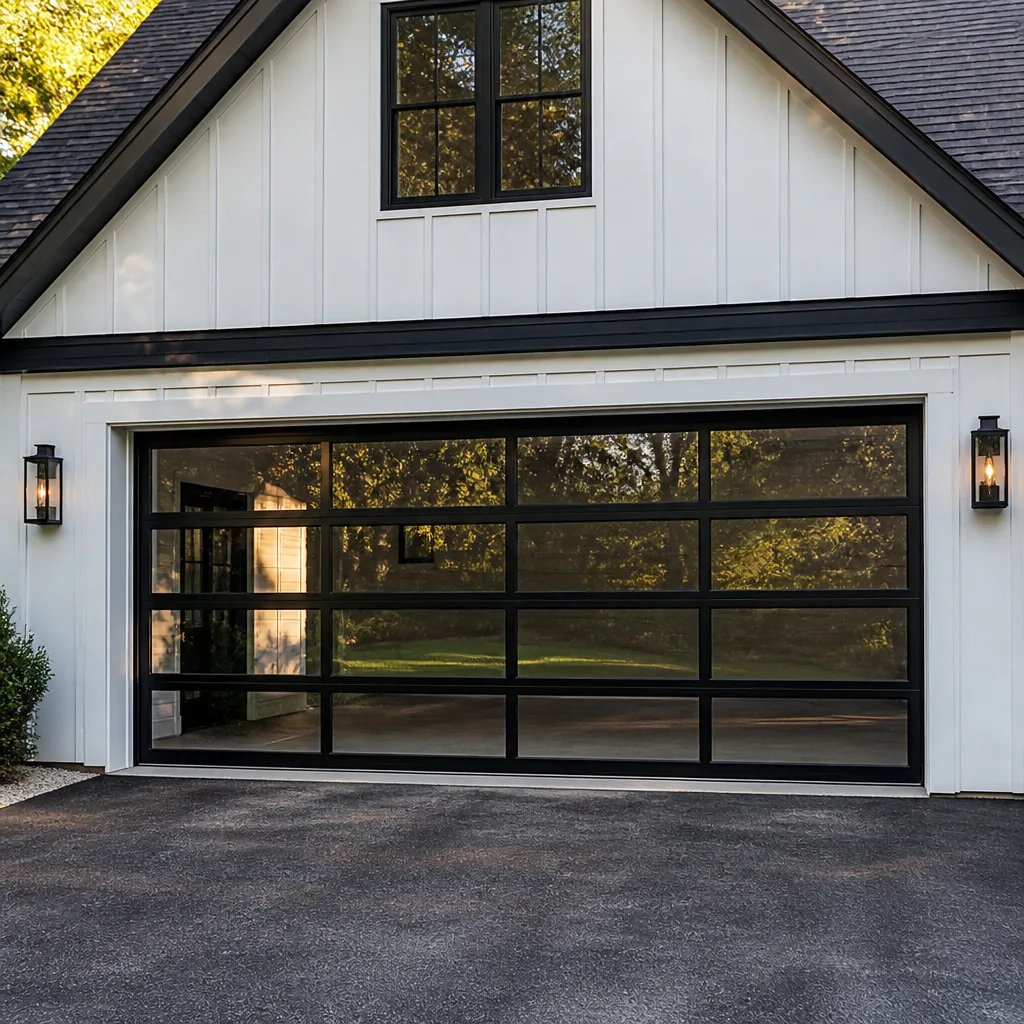 Full-view glass
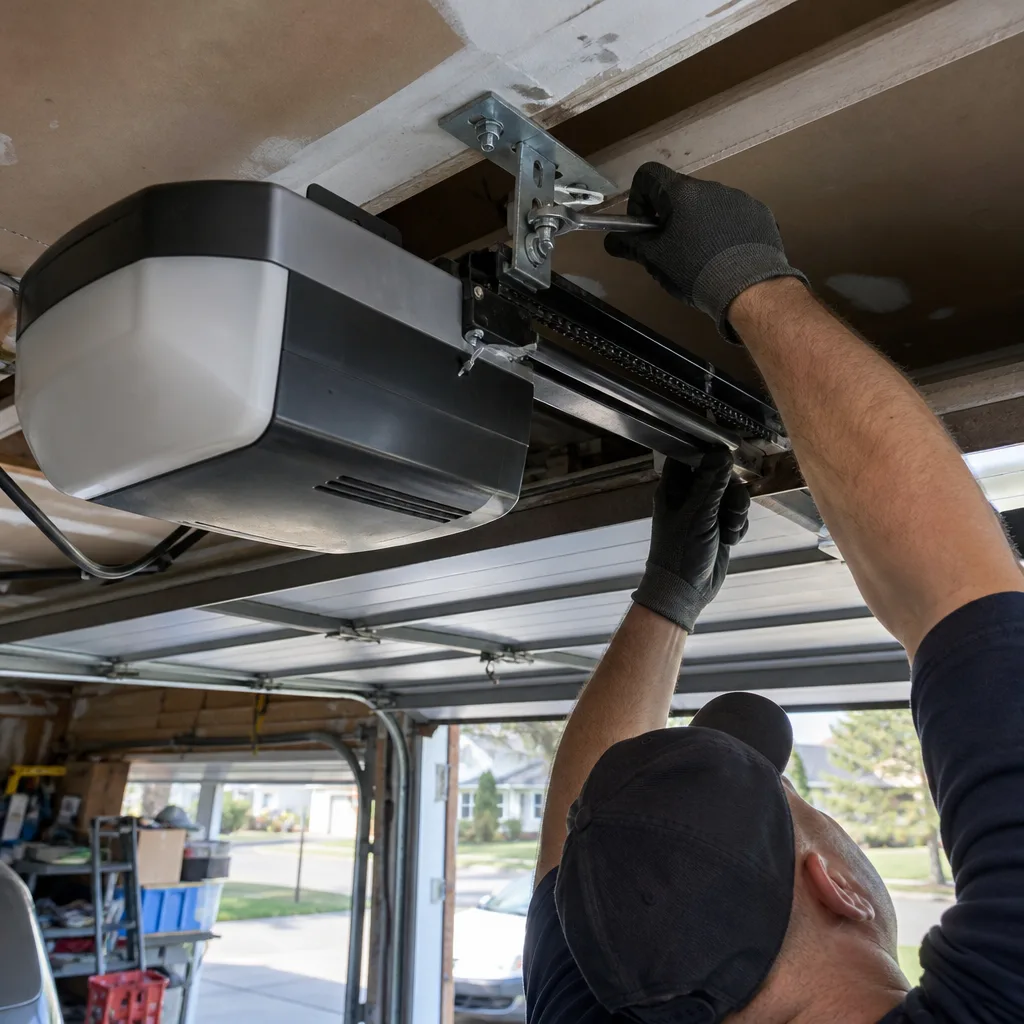
 LiftMaster openers
 Chamberlain openers
Full 25-point door and opener safety check with every visit - springs, cables, rollers, tracks, and your LiftMaster or Chamberlain opener included
You get a price before we start. It does not change when the pro arrives.
Get your free estimateGarage Door Warning Signs: A Northland Homeowner’s Reference Guide
A grinding noise and a popping noise can both come from the same garage door, but they mean opposite things. Grinding usually points to dry rollers or a tired bearing; popping, especially from the center of the door, often means a torsion spring is winding down under tremendous stored force. One is a maintenance item you can schedule. The other is a safety situation that calls for a trained professional before the door comes down hard. This reference guide decodes each warning sign into the component it likely points to, the risk level, and whether it’s a same-day call or a schedule-soon repair. We’ve built it for Northland homeowners who want to describe a problem clearly and act on it correctly.
Quick Answer
Garage door warning signs fall into three groups: sounds (grinding, popping, squealing, rattling, banging), visual cues (frayed cables, corroded springs, worn rollers, panel cracks), and behavior (uneven travel, reversing, delayed response). Popping from the center and a sagging door are the highest-urgency signs because a failing spring or cable can drop the door. Most other symptoms are safe to schedule within the week. When in doubt in Northland, park the car outside and have the door looked at before you run it again.
Styles & brands we work with
- Raised-panel steel
- Carriage house
- Modern flush
- Full-view glass
- LiftMaster openers
- Chamberlain openers
Table of Contents
- Sound-to-Component: What Each Noise Is Telling You
- Visual Warning Signs, Component by Component
- Behavioral Symptoms: Opener or Mechanical?
- Risk Triage: Same-Day Emergency vs. Schedule-Soon
- Warning Signs That Show Up in Cold-Weather Operation
- A 7-Point Monthly Inspection You Can Do Safely
- How to Communicate the Problem to a Technician
Sound-to-Component: What Each Noise Is Telling You
Sound is the fastest diagnostic tool a homeowner has, but only if the sound is mapped to a specific component. In our experience, Northland homeowners often describe five distinct noises, and each one narrows the list of suspect parts. Here’s the index we use when a customer calls.
- Grinding – Usually dry or worn rollers, a dry torsion tube bearing, or grit in the track. Risk level: low to moderate. Schedule within the week; a technician can lubricate or replace rollers and bearings in one visit.
- Popping from the center of the door – Very often a torsion spring that is binding, slipping, or near failure. Risk level: high. Treat as a same-day call and keep the door down until it’s checked. A torsion spring sits under significant stored force, and a sudden release can cause serious injury.
- Squealing or high-pitched whine – Friction at a bearing, a dry roller, or an opener gear or drive wearing out. Risk level: low to moderate. Lubrication or an opener service usually resolves it.
- Rattling – Loose hinge bolts, a slack chain or belt on the opener, or a door panel that has worked loose. Risk level: low. Usually a tightening and adjustment job.
- Banging or loud slam – The door is hitting a stop too hard, a spring has lost tension, or the opener’s travel limits are set wrong. Risk level: moderate to high. Stop using the door and have it inspected.
If you hear a heavy pop and the door stops moving, or the door suddenly feels much heavier than before, do not cycle it again. Call a professional. Because our focus is exclusively garage doors, our technicians know what these specific sounds usually mean before they arrive, and they arrive with the parts to fix them. Spring repair is one of the most safety-critical parts of the work, and it’s an area where a specialist matters most.
Visual Warning Signs, Component by Component
Sight complements sound. Many failures announce themselves visually weeks before they fail, and a quick look at four components will catch most of them. This is the same inspection sequence we walk Northland customers through by phone.
Cables
Look for fraying, kinks, or a strand of wire sticking out from the cable. A cable that has ridden off a drum or begun to fray is under tension and should not be touched. Stop using the door and call a technician.
Springs
Spring corrosion moves in stages: first a fine dust, then a visible rust line, then thinning at the coils. A spring with a visible gap or that has snapped is clearly broken. Spring work is genuinely dangerous and belongs to a trained professional, never to a homeowner with hand tools.
Rollers
Worn rollers look flat on one side, wobble, or have lost their smooth surface. Steel rollers can develop pockets. A door that is noisy or squeaky at the track often has rollers that are past their interval.
Panels
Hairline cracks near a hinge, a sagging top section, or a gap between panels signals stress. On wood doors, look for rot at the bottom edge. On steel doors like a Clopay or Amarr model, check for separation at the section seams.
If you spot any of these in a Northland home, write down which component and what you saw. That single detail speeds up the visit and helps the technician arrive prepared.
Behavioral Symptoms: Opener or Mechanical?
Sometimes the door makes no unusual noise and still isn’t right. Behavior is the third channel, and it tells you whether the problem lives in the opener or in the mechanical system. Here’s how we separate them.
- Uneven travel – The door rises or lowers crookedly, or one side lags. This is usually mechanical: a tired spring, a stretched cable, or a binding track. Have it inspected before the opener is blamed.
- Reversing before closing – The door stops and goes back up. This is often the safety sensors seeing an obstruction, a misaligned sensor, or a problem with the opener’s logic board. If you own a LiftMaster or Chamberlain unit, the diagnostic LED on the opener usually points to which.
- Delayed response – Press the remote and the door waits. Could be a weak remote battery, but a Genie or Craftsman opener with a worn drive can also drag. Rule out the battery first, then have the opener checked.
- Door closes partway and stops – Frequently the opener’s travel limits or force settings, sometimes a mechanical bind. Do not increase the force setting to force it; find the cause.
- Remote works intermittently – Often the opener or the remote, not the door. That’s a garage door opener repair question, and it’s worth a call.
When a behavior points to the opener, a trained technician can diagnose it faster than trial and error. When it points to the door, a mechanical repair is on the menu. Knowing which side of the system the symptom lives on is half the fix.
Risk Triage: Same-Day Emergency vs. Schedule-Soon
Not every warning sign is urgent, but the urgent ones genuinely are. Here’s how we sort them so you know whether to park the car outside and call today or book a visit for later in the week.
Park elsewhere and call today
- Popping from the center of the door, or the door suddenly feels heavy.
- A visibly broken spring (a gap in the coil) or a snapped cable.
- The door is hanging crooked, one side is off the track, or the door is stuck open.
- The door has started to come down too fast, or the opener is running but the door doesn’t move.
- Any grinding or metal-on-metal sound from the opener itself combined with the door jamming.
Schedule within the week
- Grinding or squealing that only shows up intermittently.
- A rattling door that still travels evenly and closes fully.
- An opener remote that occasionally fails to respond.
- Cosmetic panel cracks with no sag or misalignment.
- Rust on a spring with no gap and no visible thinning.
The dividing line is simple: anything that could drop the door or that touches a spring or cable is a same-day call. Everything else can be scheduled without drama. For Northland homes, we recommend booking routine work before a problem forces the issue, especially as the seasons change.
Warning Signs That Show Up in Cold-Weather Operation
Cold weather is hard on garage doors, and the symptoms that appear in winter are the ones homeowners most often misread. When temperatures fall in Northland, metal contracts, lubricants thicken, and springs that were marginal all summer can fail the first time they’re cycled.
- Stiffer opening – Cold grease and stiff rollers make the door feel heavier. If it feels dramatically heavier, treat it as a mechanical warning, not just the weather.
- Opener reverses on first use – Stiff hardware can trip the opener’s safety reverse. If it happens repeatedly, the door needs adjustment, not a bigger motor.
- Higher-pitched squeal – Lubricant that has thinned or dried leaves metal on metal in the cold.
- Spring failure at first cycle – A spring showing rust or thinning is more likely to fail in cold weather. If you see corrosion in fall, have it looked at before winter.
- Weatherstripping stiffening – A door that strains against a frozen seal can pull harder than the opener expects. Check the bottom seal after a cold snap.
If you notice any of these, don’t force the door. A quick inspection now can prevent a same-day emergency later, and it’s a lot easier to schedule an appointment than to deal with a door that won’t close.
A 7-Point Monthly Inspection You Can Do Safely
You don’t need to touch a spring to keep a valuable door healthy. This inspection is entirely visual and behavioral, and it catches most problems early.
- Listen – Cycle the door once and note any new sound.
- Watch the travel – Does it rise and lower evenly? Any wobble?
- Check the cables – Look for fraying or strands sticking out. Do not touch them.
- Look at the springs – Rust, thinning, or a gap. Do not try to adjust them.
- Inspect the rollers – Flat spots, wobble, or noise at the track.
- Scan the panels – Cracks near hinges, sag at the top section, rot at the bottom.
- Test the safety reverse – Lay a small object in the door’s path and confirm it reverses. If it doesn’t, have the opener checked.
Do this monthly, and keep a simple log. A one-line note like “grinding on the left track” gives a technician everything they need to plan the visit. If a check turns up anything involving springs or cables, stop there and call.
How to Communicate the Problem to a Technician
A clear description shortens the visit and gets the right part on the first trip. When you call for garage door repair in Northland, we ask four questions, and having the answers ready helps.
- What sound or behavior did you notice, and when did it start?
- Does it happen every cycle or only sometimes?
- Does the door still travel evenly, or is it crooked or heavy?
- What brand is the opener or door? (We work on LiftMaster, Chamberlain, Genie, Clopay, Amarr, Wayne Dalton, Craftsman, and Raynor, so knowing the brand helps us arrive prepared.)
If you can answer those, you’ve done most of the diagnostic work. Our technicians have up to 8 years of experience, and they know the specific hardware on the major brands. That means most visits end with the right fix on the first trip.
Common Mistakes to Avoid
- Pushing the door up by hand when it feels heavy – A heavy door usually means a failing spring or cable. Forcing it can cause a sudden release and injury. Keep it down and call.
- Increasing the opener’s force setting to make a stiff door close – This masks the real mechanical problem and stresses the opener. Find the cause instead.
- Ignoring a spring that’s just “a little rusty” – In a Northland winter, a marginal spring is far more likely to fail. Have it inspected before the cold arrives.
- Lubricating the tracks – Tracks should stay dry and clean; lubricant attracts grit. Lubricate rollers and hinges, not the track face.
- Assuming a reversing door is a sensor problem only – Sometimes it’s a mechanical bind or a failing opener. Rule out both.
- Waiting for a noise to become a failure – A grinding roller is a maintenance visit; a snapped spring is an emergency. Handle it early.
- Calling a general handyman for spring work – Springs are the most mechanically demanding part of the system. A garage door specialist is the right call.
See the difference
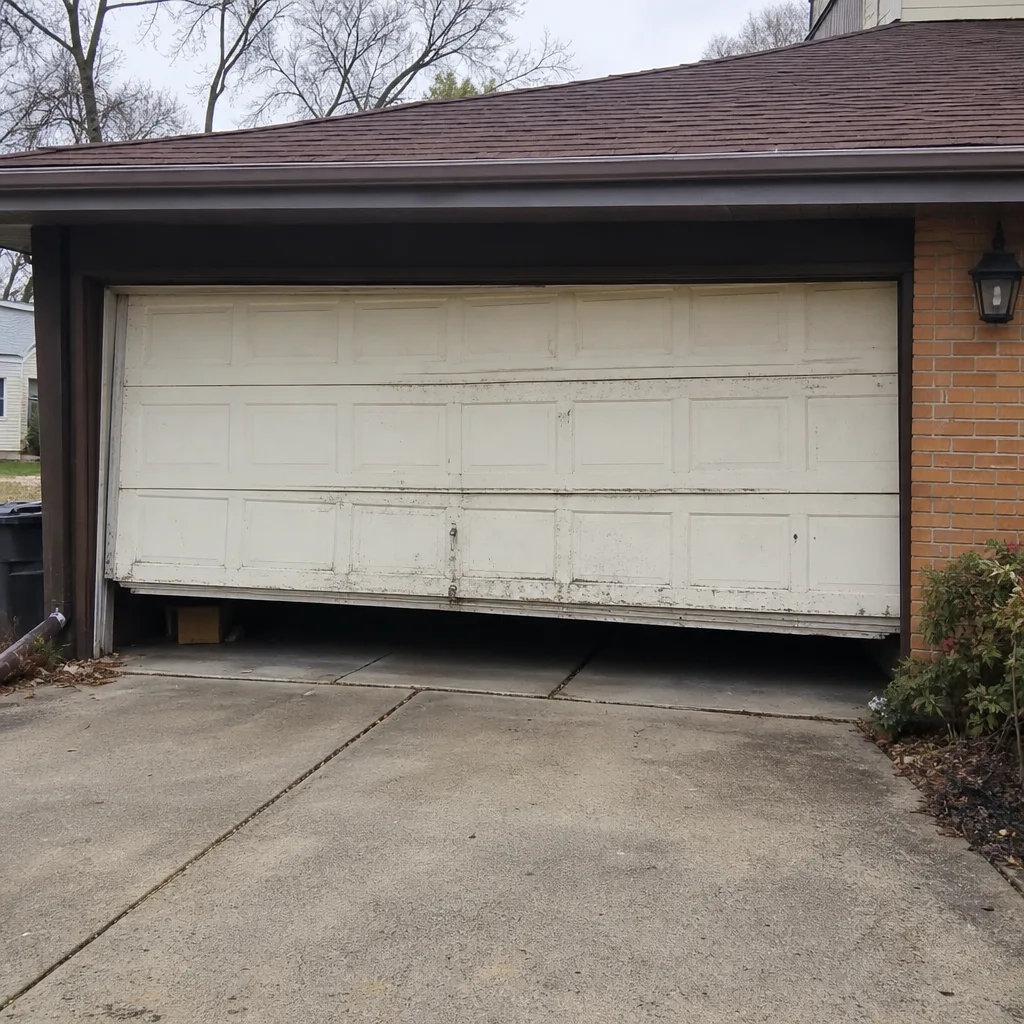 Before
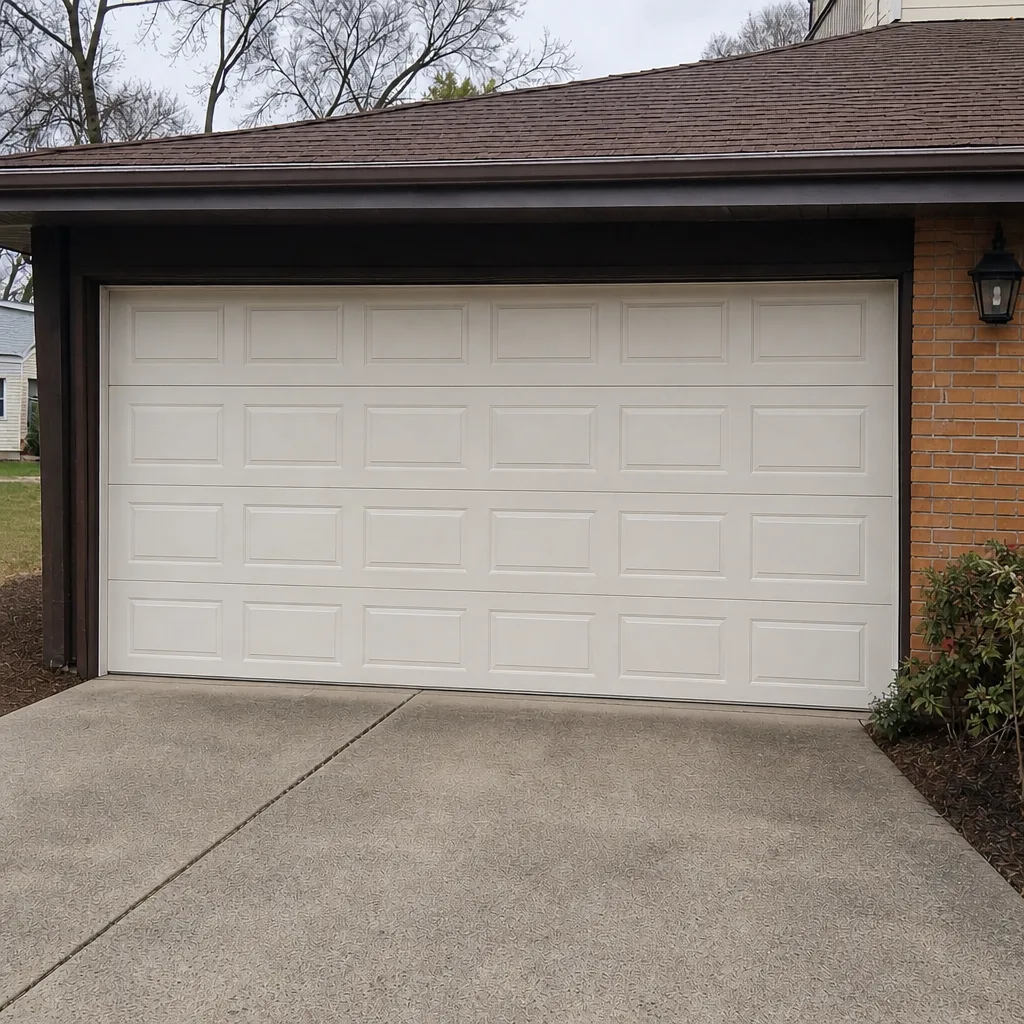 After
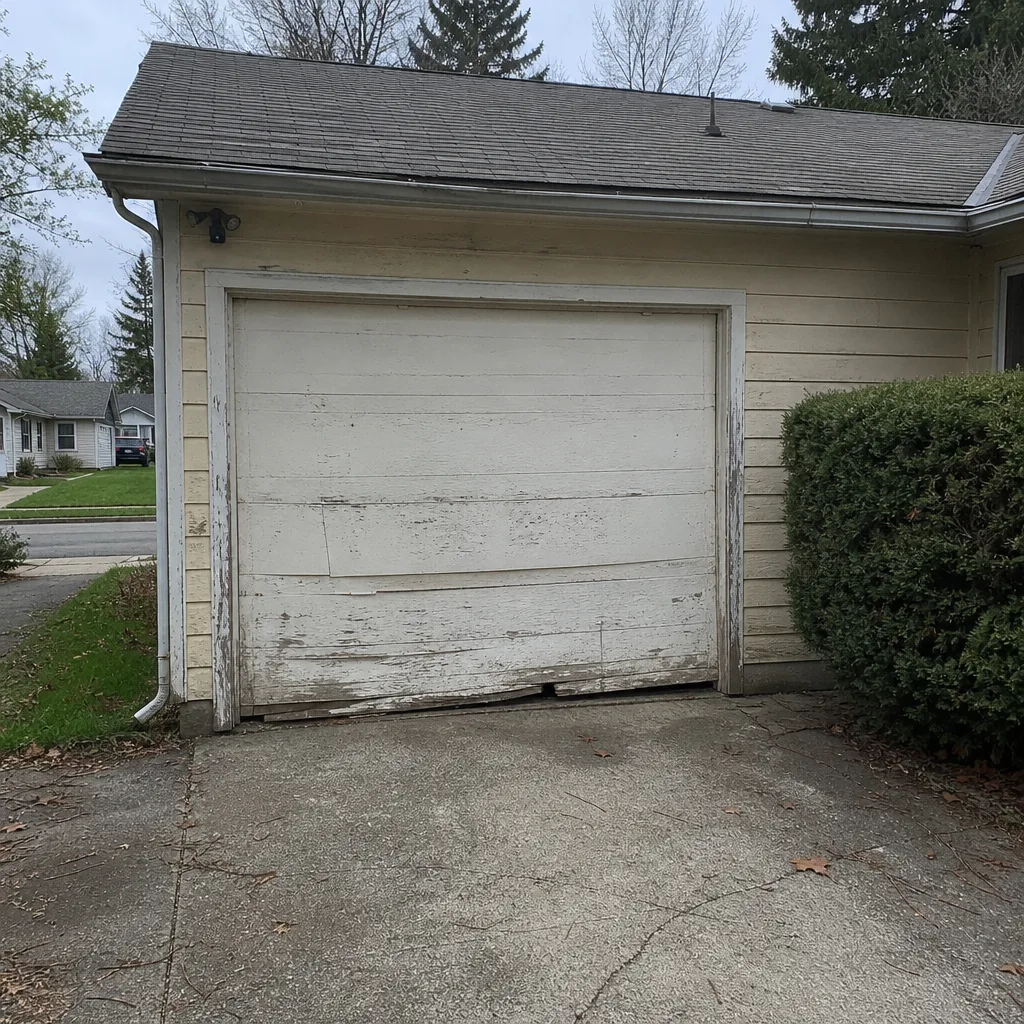 Before
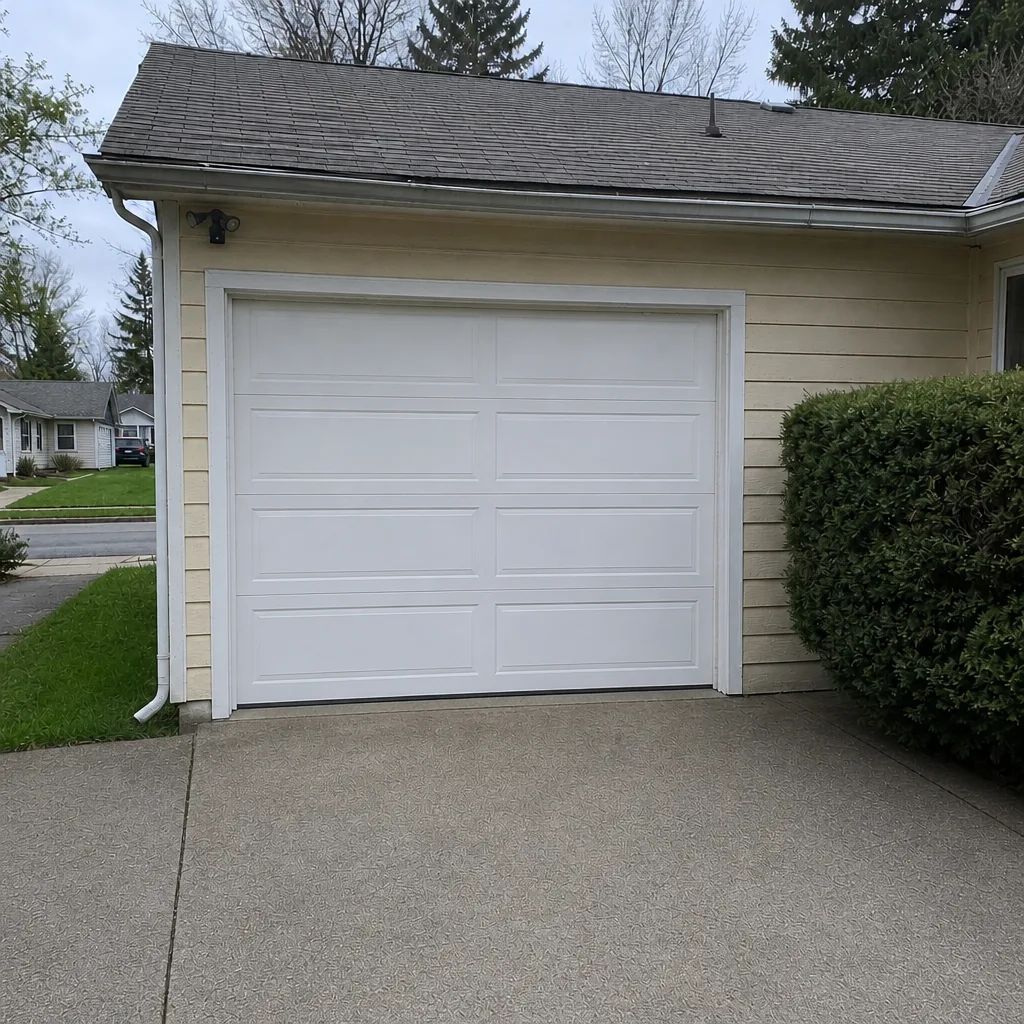 After
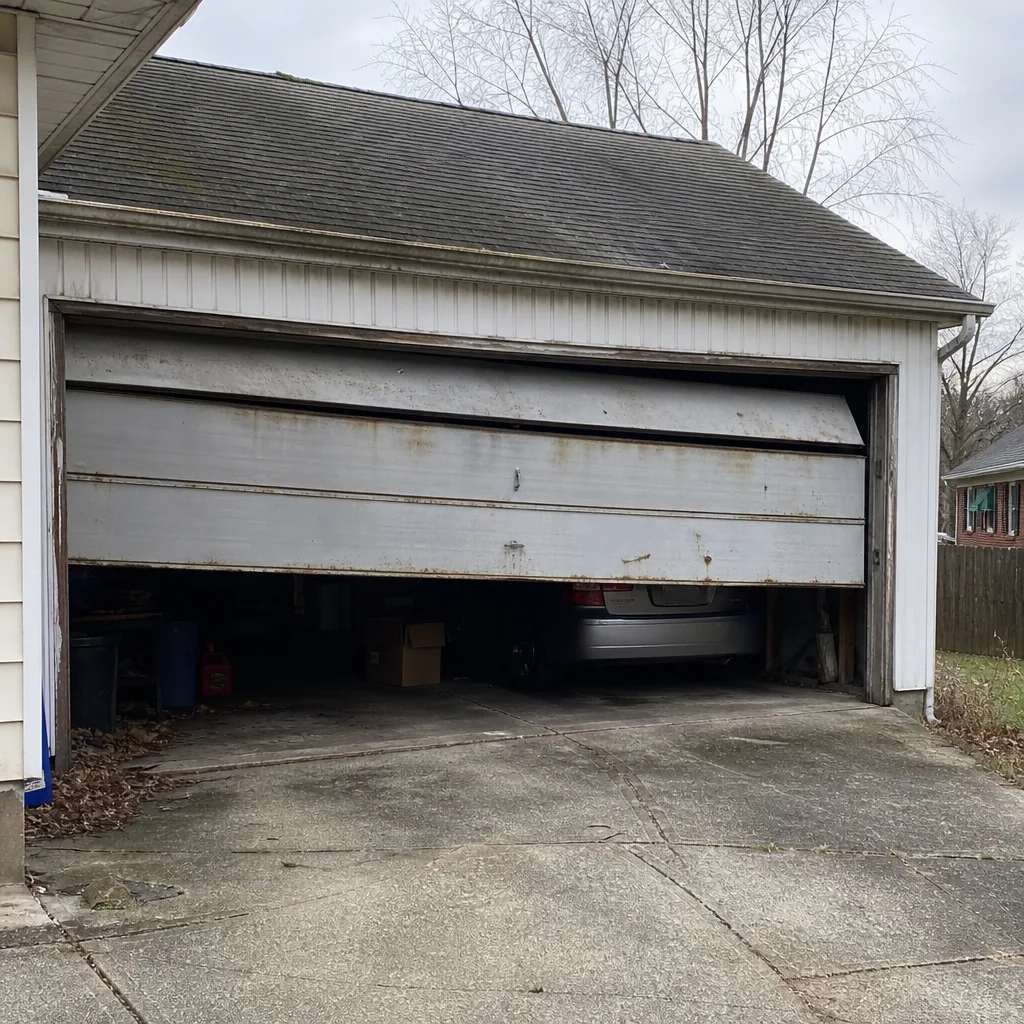 Before
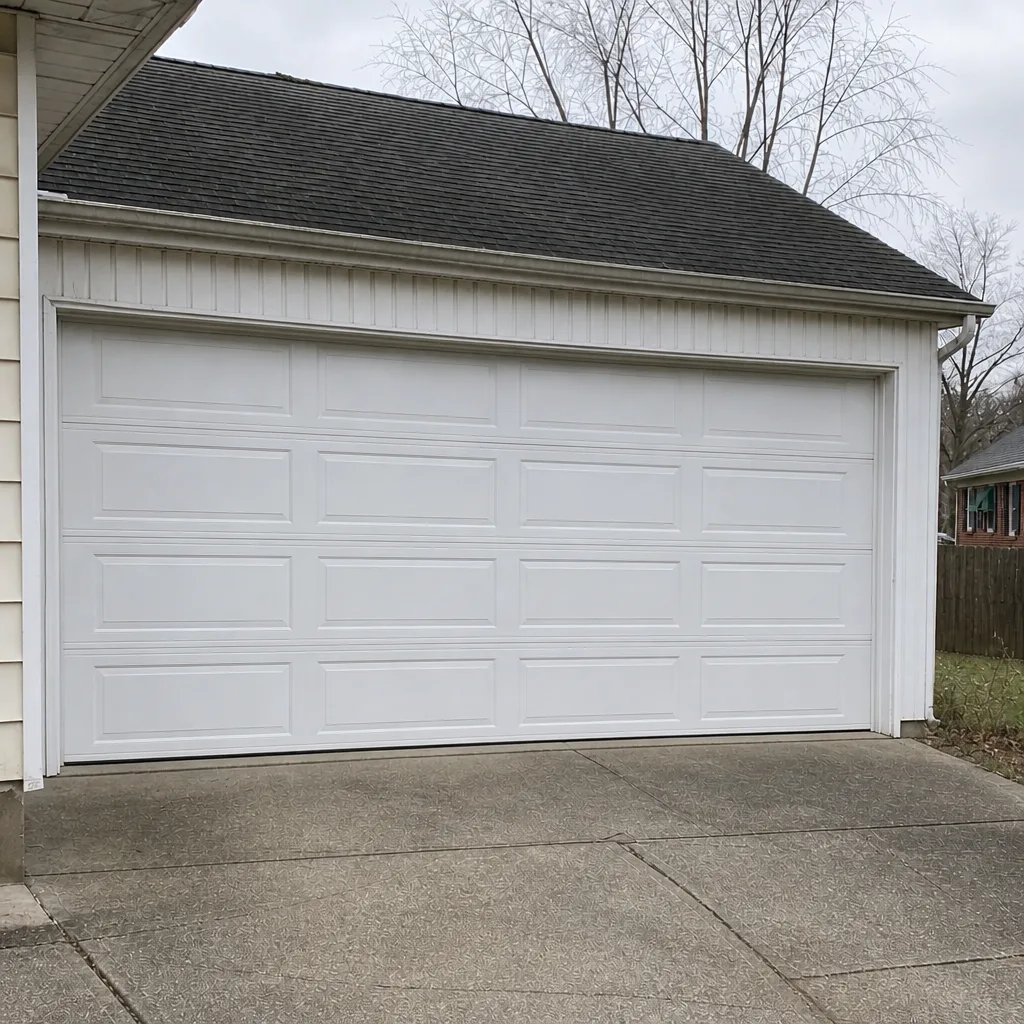 After
When to Call a Professional
Call a professional for anything involving springs, cables, or a door that is hanging, heavy, or off its track. These are the situations where a mistake can cause real injury, and they’re exactly where a garage door specialist adds the most value. Also call if the opener is behaving inconsistently, if the door reverses repeatedly, or if a visual sign like a frayed cable or corroded spring shows up. We only do garage doors, so every technician is a garage door specialist, not a generalist. If any sign in this guide points to a component you can’t inspect safely, don’t guess. Garage Door Repair Northland offers free estimates in Northland. Call (866) 347-6067 and we’ll take it from there.
Frequently Asked Questions
A popping sound from the center of the door, coupled with a door that suddenly feels heavy, is the most serious sign. It usually points to a torsion spring near failure. Keep the door down, park outside, and call a professional the same day.
No. Torsion and extension springs are under significant stored force, and adjusting or replacing them without the right tools and training can cause serious injury. Spring repair is work for a trained professional. If a spring looks corroded, broken, or thin, stop using the door and call.
Usually yes, but not indefinitely. Grinding often means dry rollers or a worn bearing, which is a routine maintenance visit. Schedule it within the week; waiting can wear the track and the opener. If the grinding is paired with a jam or a heavy door, treat it as a same-day call.
Reversing is usually a safety sensor seeing an obstruction or a misaligned sensor, but it can also be a mechanical bind or a failing opener. Check that the sensors are clean and aligned first. If it persists, have the opener and door inspected.
Yes. Cold thickens lubricants, stiffens hardware, and puts more strain on springs, so marginal parts are more likely to fail. A fall inspection before the cold sets in is the best way to avoid a mid-winter emergency. If the door feels much heavier in cold weather, have it checked.
We service LiftMaster, Chamberlain, Genie, Clopay, Amarr, Wayne Dalton, Craftsman, and Raynor, eight of the most widely owned brands. Knowing the specific hardware means we can usually arrive with the right part on the first visit. Call (866) 347-6067 with your brand and symptom ready.
The Bottom Line
Warning signs aren’t all equal, and the key is knowing which one is which. Sounds, visual cues, and behavior each point to a specific component, and the urgent ones are almost always spring, cable, or a door that’s hanging. Everything else can be scheduled calmly. Do the monthly inspection, write down what you see, and call a specialist when a sign points to a part you shouldn’t touch. A garage door specialist will save you time and risk, and in Northland, that’s the whole point of this guide.
If you’ve spotted a warning sign and aren’t sure what it means, call Garage Door Repair Northland at (866) 347-6067 for a free estimate. We’ll tell you what’s going on, what it takes to fix it, and get your door moving again. For a full replacement down the road, our garage door installation team can handle it. Either way, you can start at our Garage Door Repair Northland homepage. Springs, openers, panels, full installs: one call covers it all.
Written by the team at Garage Door Repair Northland.