Last updated November 21, 2026
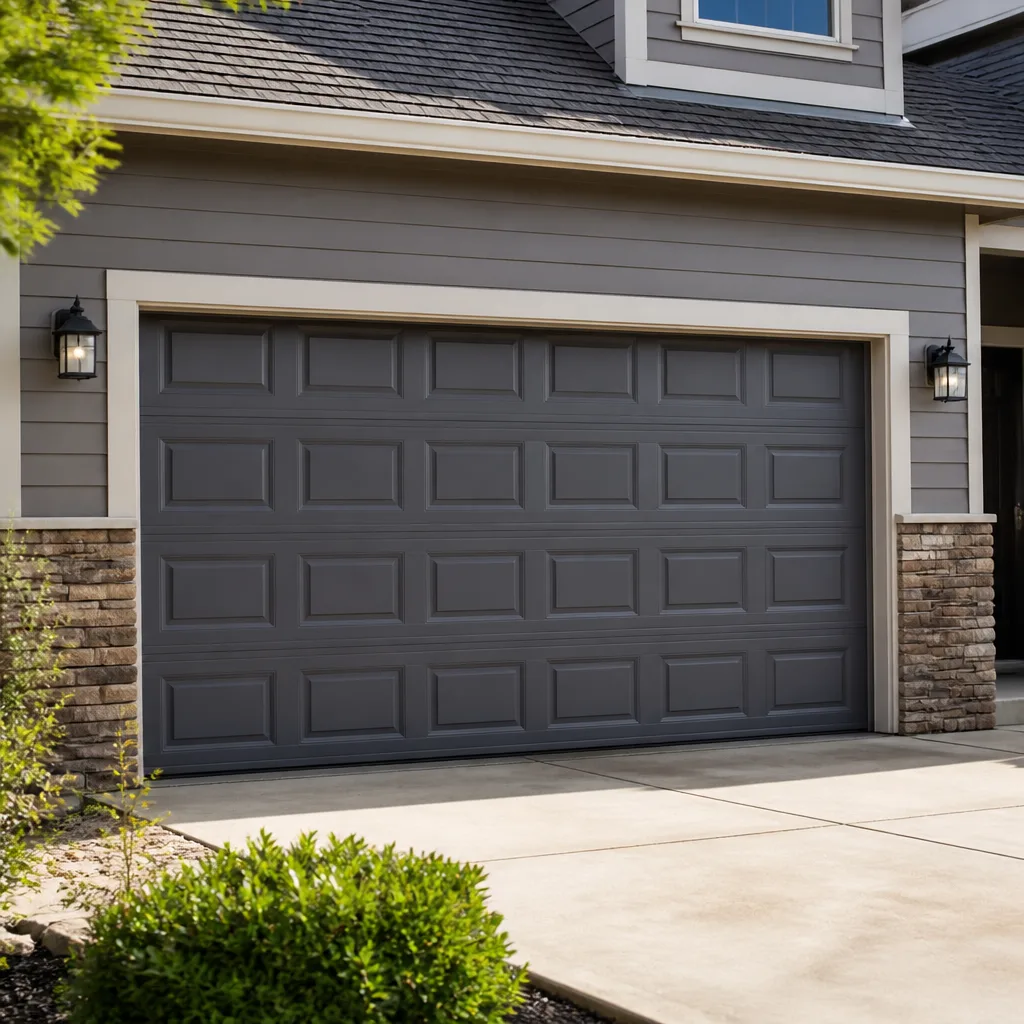 Raised-panel steel
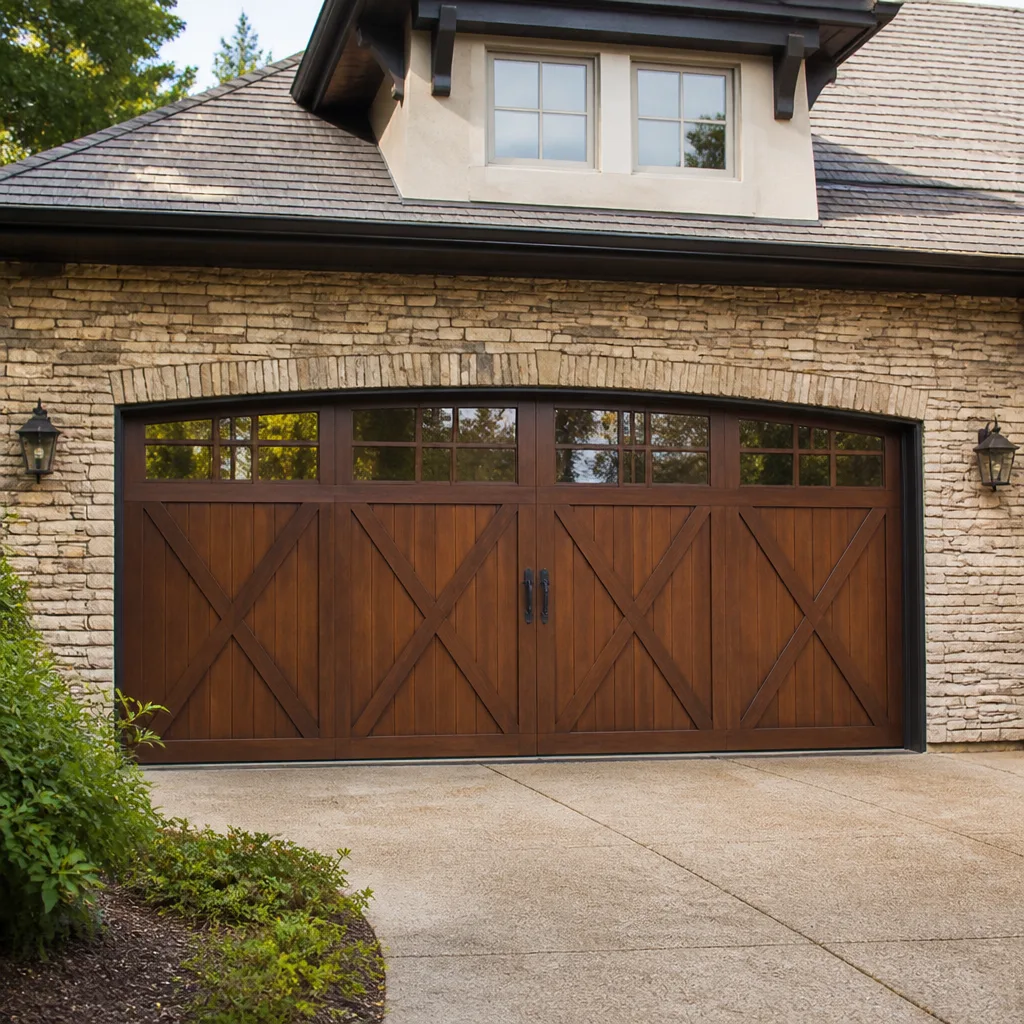 Carriage house
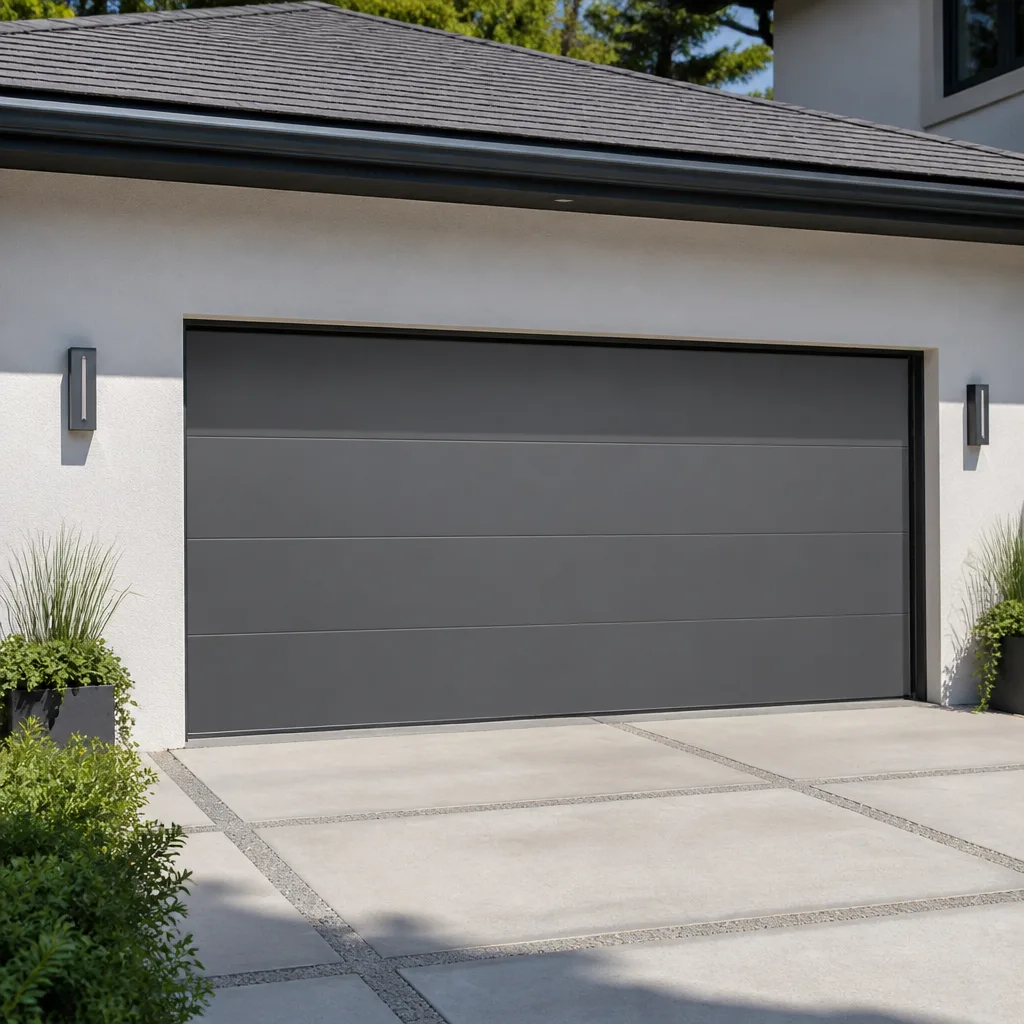 Modern flush
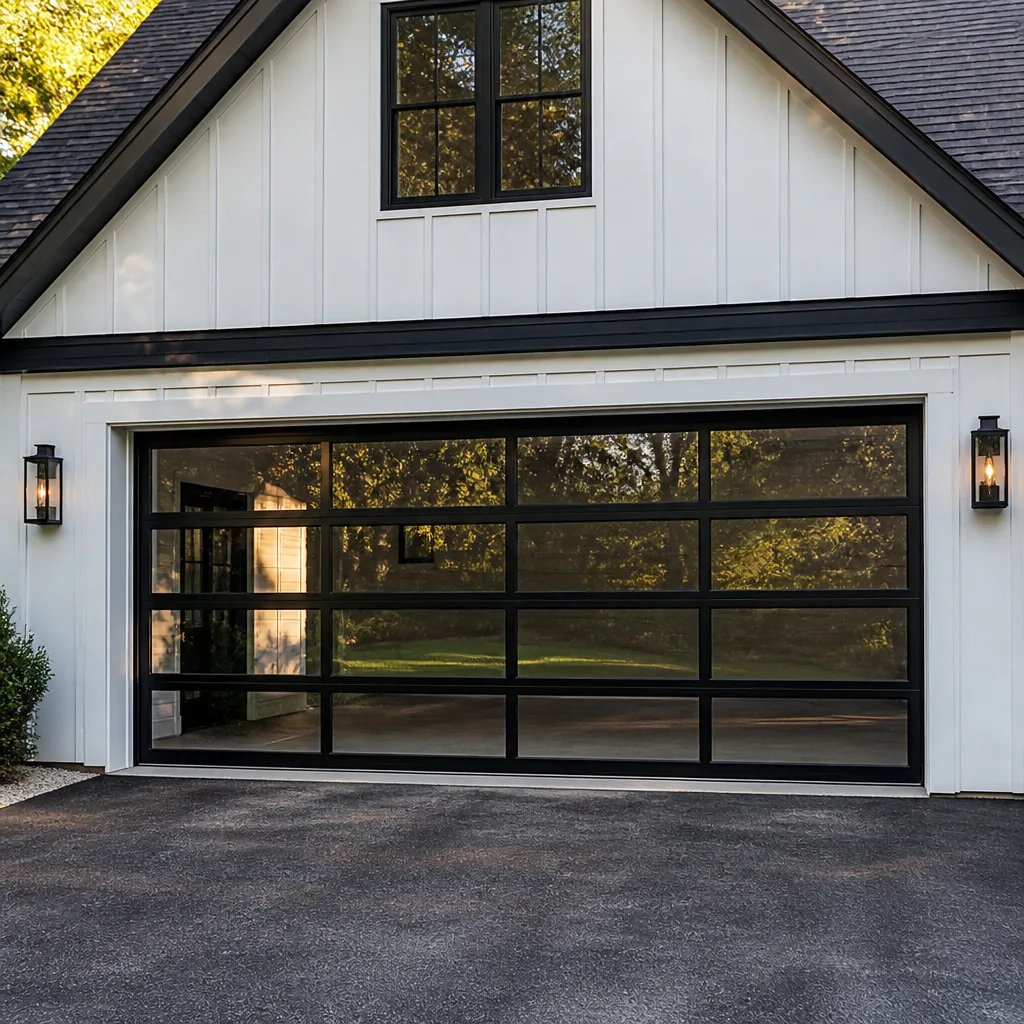 Full-view glass
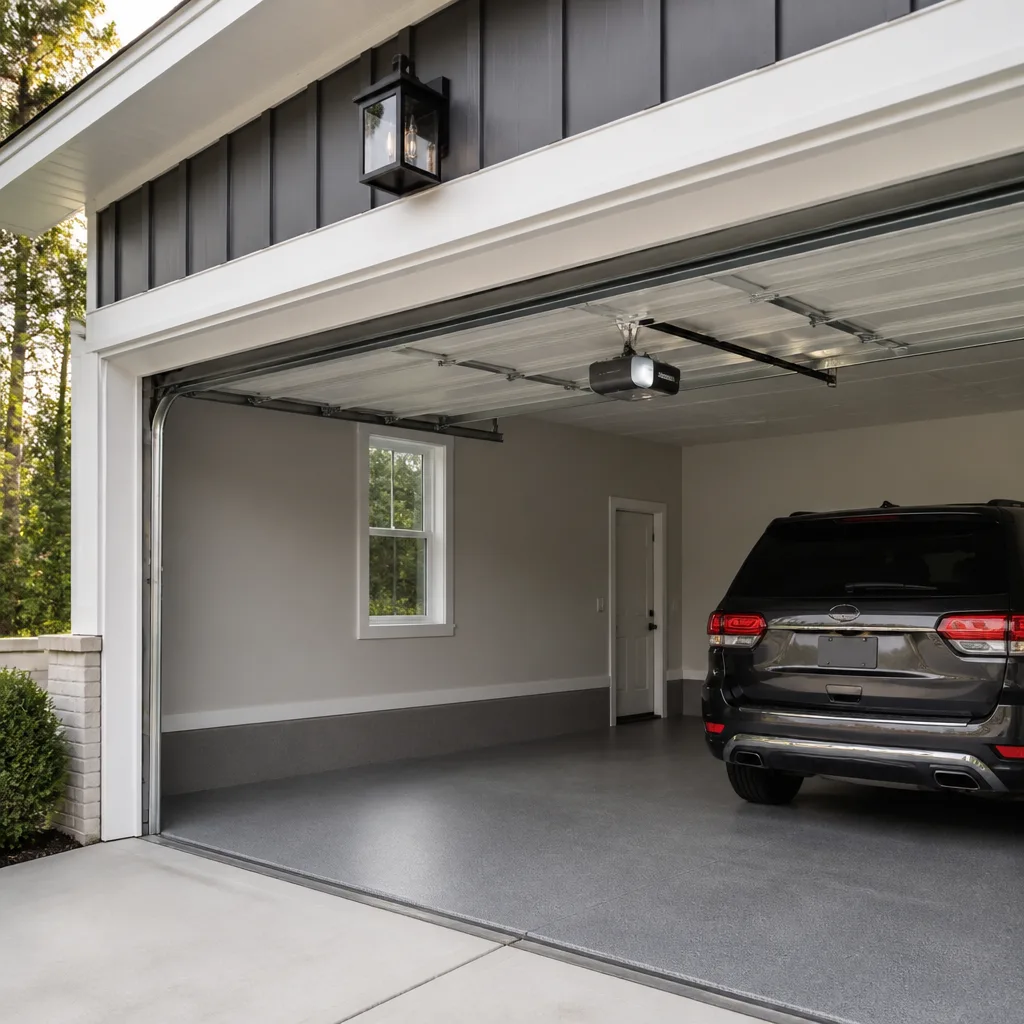 LiftMaster openers
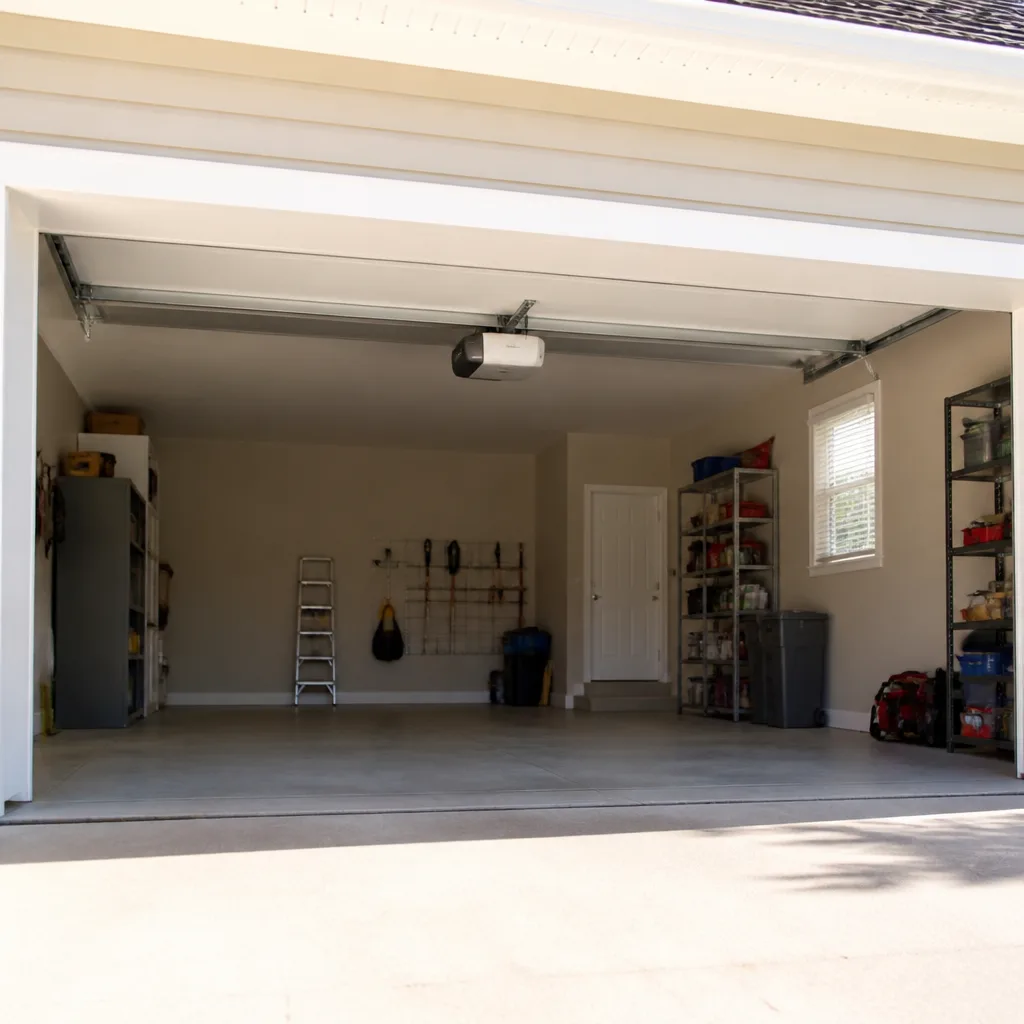 Chamberlain openers
Full 25-point door and opener safety check with every visit - springs, cables, rollers, tracks, and your LiftMaster or Chamberlain opener included
You get a price before we start. It does not change when the pro arrives.
Get your free estimateGarage Door Repair Troubleshooting in Northland: Common Problems and How to Fix Them
Most homeowners troubleshoot a garage door by symptom. The door won’t open, so they assume the opener is dead. The door is crooked, so they assume a track is bent. That backward approach sends people toward the wrong part half the time. In our experience, a door that won’t open could be a dead opener, a snapped spring, a jumped cable, a tripped safety sensor, or a stripped gear in the drive assembly, and the fix for each is completely different. Guessing wrong wastes your day, and in a few cases it makes a safe problem dangerous. This guide teaches Northland homeowners to diagnose by system: opener, spring, cable, track, or sensor. Isolate the right subsystem first, and most of the guesswork disappears before you touch a single component.
Quick Answer
Garage door troubleshooting in Northland starts with one test: pull the manual release and try lifting the door by hand. If it lifts smoothly, the problem is almost certainly in the opener or its sensors. If the door feels impossibly heavy, won’t budge, or jumps, the problem is mechanical (spring, cable, or track), and you should stop and call a specialist. Diagnosing by system, not by symptom, tells you which category you’re in within about two minutes. Our technicians have up to 8 years of experience, and that release-pull test is the first thing any of them does on a call.
Styles & brands we work with
- Raised-panel steel
- Carriage house
- Modern flush
- Full-view glass
- LiftMaster openers
- Chamberlain openers
Table of Contents
- The Diagnosis-by-System Framework: Five Categories
- The Manual Release Test: The Step Most Guides Skip
- Opener Problems: When the Motor Is Suspect
- Error Code Patterns for Common Openers
- Spring Failures: Hands Off, Every Time
- Cable and Track Problems: The Alignment Clues
- Safety Sensors and the Northland Temperature Swing
- Safe to Investigate vs. Call Immediately
The Diagnosis-by-System Framework: Five Categories
Every garage door failure in Northland falls into one of five systems. Learn to tell them apart and you’ve eliminated most of the wrong guesses before you pick up a tool. Here’s how we break it down on every call:
- Opener system: The motor, logic board, drive gear, and wall controls. Symptoms show up with the opener, not the door. The door may sit still while the motor hums, or the motor may do nothing at all.
- Spring system: The torsion springs above the door or the extension springs along the sides. These carry the door’s weight. When they fail, the door becomes extremely heavy and often drops a few inches.
- Cable system: The cables that run from the bottom corners up to the drums or springs. A cable that’s jumped, frayed, or snapped throws the door off balance and usually creates a visible gap or slack.
- Track and roller system: The vertical and horizontal tracks and the rollers that ride in them. Binding, bent track, or worn rollers make the door drag, stick, or travel crookedly.
- Safety and sensor system: The photo-eye sensors at the door base and the safety reverse feature. These stop or reverse the door even when everything mechanical is fine.
Isolate the subsystem before you do anything else. Ask one question: does the motor run when you press the button? If yes, the opener is alive and the problem is downstream of it. If no, the door’s mechanics may be fine and the opener or power supply is the suspect. That single yes-or-no question cuts your diagnostic time in half, and it works on every door we service in Northland, from older Craftsman units to newer LiftMaster systems.
One Northland-specific factor colors all five categories: our temperature swings. Doors that worked fine in October often act up in January, and problems you notice in July can be seasonal rather than permanent. Keep reading, because the climate thread runs through everything below. If you’d rather hand the diagnosis to someone who does this daily, our garage door repair service covers every one of these five systems.
The Manual Release Test: The Step Most Guides Skip
The manual release is the single most useful diagnostic step in garage door troubleshooting, and it’s the one most online guides leave out entirely. It separates opener problems from door problems in about 30 seconds. Here’s the procedure, and it’s safe as long as you follow one rule: use the release only when the door is fully closed.
- Make sure the door is fully closed and the opener is disconnected from power or the remote is put away.
- Locate the manual release cord hanging from the opener trolley. Pull it straight down to disconnect the door from the opener.
- With one hand on the door, lift it slowly to about waist height. Pay attention to how much force you use.
- A healthy door lifts easily and stays where you leave it, roughly balanced. If you’re fighting it, or it slams down, the spring system has a problem.
- If the door lifts easily but the opener wouldn’t open it, the opener, sensors, or controls are your suspects.
- Reconnect the trolley by pulling the cord toward the door (or run the opener and let it re-latch), then restore power.
That test tells you which half of the garage to look at. On a door with a broken spring, lifting by hand is genuinely hard. Some Northland homeowners discover the door is far heavier than they expected, which is the door telling you the spring has gone. Never force a heavy door up by hand, and never lift a door that shows a snapped spring, frayed cable, or bent track. Set it back down, step away, and call a specialist.
One more note: after a manual release, the trolley must re-latch before the opener will move the door again. People call us convinced the opener is dead when it’s simply been left disconnected. It’s the most common false alarm we see.
Opener Problems: When the Motor Is Suspect
If the manual release test showed the door lifts easily, the opener system is almost always where your problem lives. The most common opener symptoms we diagnose in Northland fall into a few clear patterns:
- The motor hums but the door doesn’t move. Usually a stripped drive gear or a broken trolley. The motor runs, but the drive train has lost its grip.
- The opener clicks once and stops. Often a logic board, capacitor, or safety-reverse issue. Sometimes a capacitor replacement solves it; sometimes the board is the problem.
- The opener does nothing on remote or wall button. Check power first, then the lock feature, then the wall control wiring. Process of elimination, not guesswork.
- The door opens via wall button but not remote. The remote, its battery, or the receiver logic is the suspect. Re-pairing or a battery swap often resolves it.
When the opener brand matters, we’ve seen it pay off to know the specific hardware. Brands like LiftMaster and Chamberlain have characteristic behaviors, and their logic boards report faults in recognizable patterns. Craftsman units share much of that same lineage. When you tell us the brand on the label, that alone can shorten the diagnostic path. We service eight of the most widely owned opener and door brands, which is why the right part is often already on the shelf.
Before you replace an opener, decide whether it’s worth fixing. If the opener is 15 or more years old and the fix is a logic board, replacement is usually the smarter spend. If it’s newer and the problem is a gear or capacitor, repair is straightforward. Our garage door opener repair page covers the brand-by-brand details.
Error Code Patterns for Common Openers
Modern openers are talking to you, and most homeowners don’t realize it. A LiftMaster or Chamberlain opener with a battery backup and MyQ connectivity reports faults through a defined set of LED blink codes on the logic board, and those codes point you toward the right subsystem before you lift a finger. Each of the eight brands we service has its own language, but the logic is shared.
Here’s how to read the patterns:
- Down arrow blinking, wall control unresponsive: often a safety sensor fault. Look at the two photo-eye lights at the door base. One solid and one off means the pair is out of alignment, blocked, or one sensor has failed.
- Up arrow blinking: typically a diagnostic indicator that the opener has logged a reversal or an obstacle during the last cycle. Check for something in the door path, but also check the close-force limit.
- Rapid multi-blink patterns: specific fault codes documented in the opener’s manual or on the logic board label. Take a photo of the blink sequence and the board. That single photo lets us identify the fault before we arrive.
- No response from remote, but wall button works: not a blink code issue at all. It’s a radio pairing problem, and a re-pair usually fixes it.
Two practical tips for Northland homeowners. First, note the model number on the opener or its manual, because the code chart is brand- and model-specific. Second, capture the blink pattern on video if you can. It’s the single most efficient piece of information you can hand a technician, and it often turns a two-visit job into a one-visit job.
Spring Failures: Hands Off, Every Time
The safety caveat comes first and applies to every spring job: torsion springs and the cables under tension are the most dangerous part of any garage door. They are wound under extreme force, and a spring or cable that lets go can cause serious injury. Do not attempt to adjust, wind, unwind, or replace them yourself. A trained technician is the only person who should touch a spring. This is the one system where the correct troubleshooting answer is always “look, don’t touch.”
That said, you can learn to read the symptoms. Spring failure in Northland shows up in a few recognizable ways:
- A loud bang from the garage, followed by a door that won’t open. That’s the classic snapped torsion spring. The door was probably fine the last time it closed.
- A visible gap in the spring coil above the door. Look from the driveway, not from underneath.
- A door that opens a few inches and stops, with the opener running but unable to lift. The springs are no longer carrying the weight.
- Heavy manual lift, if you’ve done the release test. The door fights you because the springs aren’t counterbalancing it.
Torsion springs in Northland suffer through real temperature extremes, and that’s part of why they fail. The cycle count matters too: every open and close wears the spring a little, and a spring past its expected cycle life can snap at any time. It’s worth knowing that springs are usually replaced in pairs. If one has failed, the other is often close to the same age and cycle count, so putting both in keeps you from doing this twice. Your written estimate should spell out whether the price is for one spring or a matched pair.
When a spring fails, the safest move is to leave the car where it is, lower the door if it’s up, and call. Our garage door spring repair is exactly the kind of work a door specialist should handle. If you’re unsure whether what you saw is a spring failure, send us a photo from inside the garage. Distance plus a clear photo is usually enough to confirm it.
Cable and Track Problems: The Alignment Clues
Cables and tracks fail together often enough that it’s worth troubleshooting them as a pair. Cables carry the door’s tension and keep it square; the track keeps it aligned. When either goes, the door travels crookedly or throws off its balance. Here’s what to look for, from a safe distance:
- Cables. Check the vertical run from the bottom brackets. A cable that’s off the drum, tangled, frayed, or snapped is obvious, and it’s a hands-off situation. Slack or a tangle means the cable is no longer doing its job.
- Track. Look down the vertical and horizontal track for a bend, kink, or section that’s pulling away from the wall bracket. A slightly bent track is a repair. A badly bent one may need full replacement.
- Rollers. Worn or cracked rollers in the track will cause the door to drag or rattle as it travels. They’re cheap and they wear out.
- Hinges and brackets. Loose hinges can let the door sag and misalign, which then stresses the rollers and track.
A door that travels crookedly and then stops is a classic Northland symptom of a jumped cable. The opener senses resistance and reverses. Homeowners often assume the opener is the problem, when the real cause is a cable that’s no longer tracking properly. That’s why the order matters: lid up on the opener last, mechanical check first.
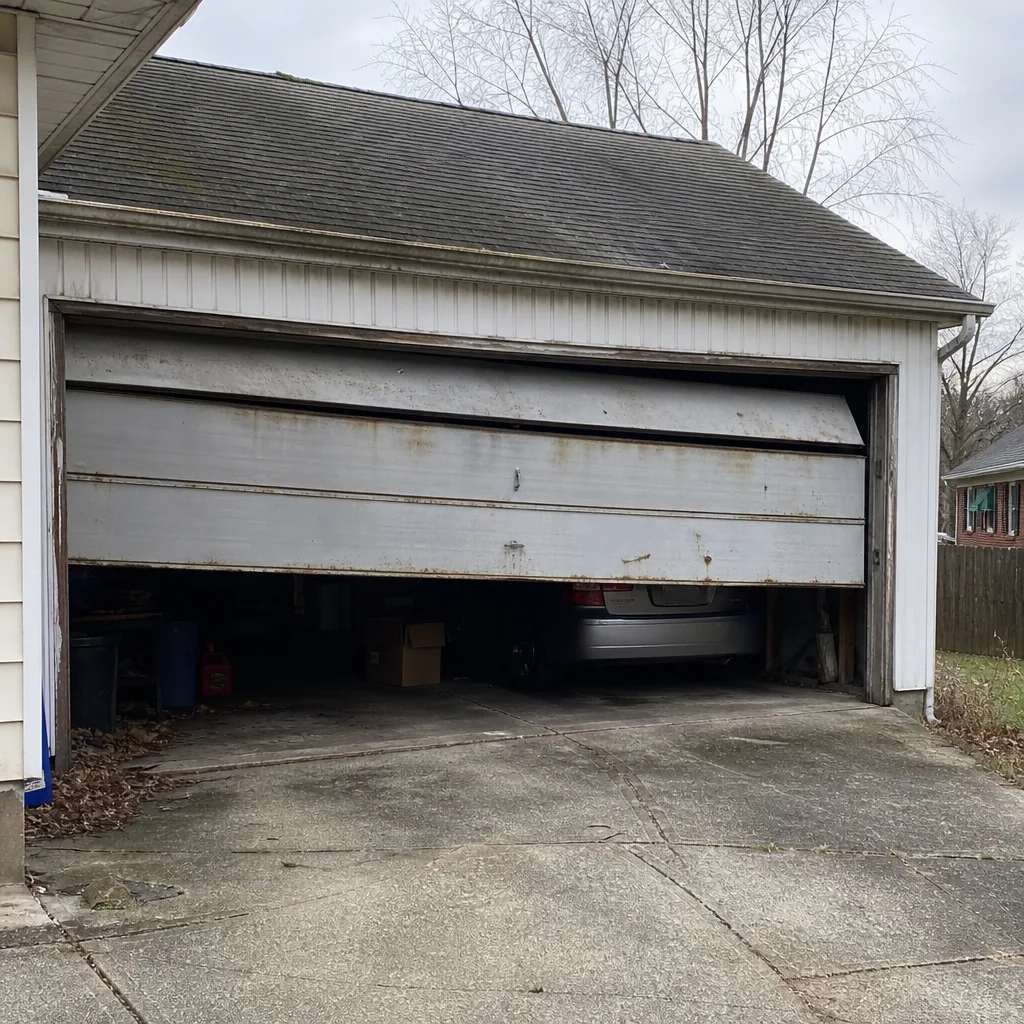
Two cautions. Never stand under a door that’s hanging by a bent track or a single cable. And never force a misaligned door back into its track by hand; a door that drops back into the track can trap fingers or worse. Cables are under the same category of danger as springs. If you see a snapped or slack cable, that’s a call-a-specialist situation.
Track damage can also be a symptom, not a cause. A door that’s been out of adjustment for a while will ride the track unevenly and bend it over time. Fixing the track without fixing the alignment just means the bend comes back.
Safety Sensors and the Northland Temperature Swing
Safety sensors cause more false alarms than any other garage door component. The two photo-eyes at the bottom of the door use an infrared beam to detect an obstacle. If the beam is broken, the door stops, reverses, or refuses to close. Most of the time the fix is as simple as a spider web, a leaf, or a grocery bag in the beam. But not always.
Northland’s temperature swings between summer and winter create sensor symptoms that aren’t obvious:
- Summer heat can soften and flex the sensor mounting bracket or the surrounding wood, nudging the sensors a few degrees out of alignment. The door works fine in the morning and fails by afternoon.
- Winter cold can contract the door and the frame, shifting the door’s sit slightly and pulling the beam off target. A door that worked all summer may suddenly reverse in January.
- Condensation on the lens in cold weather blocks the beam. Wiping both lenses with a cloth often resolves it temporarily.
To check your sensors safely, look at the two small LED lights on the sensors. One sensor has a solid light; the other should too. If one is blinking or dark, the pair is misaligned, blocked, or one sensor has failed. Clear the lens, check for anything in the beam, and make sure the two sensors are roughly level and facing each other.
If a door reverses without any obstacle in the beam, check the safety-reverse function itself. This is the feature that stops the door when it meets resistance on the way down. Most openers will reverse on contact with a flat board placed under the door, which is a diagnostic you can run safely. If the door doesn’t reverse when it should, that’s a safety failure and the opener needs to be serviced before you use the door again.
One more Northland-specific note: sensors near the bottom of the door are the ones most exposed to winter road salt, gravel spray, and condensation from the concrete. They’re also the ones most likely to be loose. A quick visual and a gentle nudge on each sensor can confirm a problem or rule it out without tools.
Safe to Investigate vs. Call Immediately
Not every problem is a call-a-professional problem. Here’s the line we draw for Northland homeowners. What’s fair to check yourself:
- Anything the wall button or app reports. Error codes and diagnostics are safe to read.
- Sensor lights and alignment. Clear the beam and check the LEDs. This is safe and often solves the problem.
- Remote battery and pairing. A dead remote battery is the most common cause of “the door won’t open.”
- The manual release test. With the door closed and the opener off, you can safely lift the door to gauge whether it’s balanced.
What is hands-off, no exceptions:
- Springs. Any suspected spring failure means stop, lower the door if it’s up, and call.
- Cables. A snapped, slack, or tangled cable is under tension. Don’t touch it.
- A door hanging off the track. It can fall. Stand clear.
- Anything that requires working under the door. No.
If you’re not sure which category you’re in, err toward the safer one. A technician with up to 8 years of experience can look at a photo of most failures and tell you within a sentence whether it’s a repair or a replacement. Free estimates mean there’s no cost to ask.
Common Mistakes to Avoid
- Replacing the opener before checking the springs. Plenty of homeowners in Northland have a brand-new opener installed on a door that still has a snapped spring, and the new opener can’t lift the door either. Run the manual release test first.
- Forcing a heavy door by hand. A door that’s fighting you usually means a broken spring. Forcing it up strains the opener, the tracks, and the cables, and it’s dangerous.
- Adjusting the opener’s force, travel, or safety limits to compensate for a mechanical problem. The force limit is a safety feature, not a workaround. Cranking it up hides the real problem and removes a safety measure.
- Replacing just one spring when the pair has aged together. Torsion springs share cycle life. When one fails, the other typically isn’t far behind, so a pair replacement often saves a second service visit.
- Blaming the opener for a transient sensor issue. A quick glance at the two photo-eye LEDs would have solved it. Clean and level the sensors before you assume the opener is dead.
- Greasing the wrong parts. A little lubricant on the correct rollers, hinges, and springs is fine. Coating the opener’s logic board or the sensor lenses will make things worse.
- Trying a DIY spring or cable replacement. This is the one mistake we can’t overstate. Springs and cables are under extreme tension, and a mistake can be serious. Use a specialist.
If you’re past the troubleshooting stage and ready for a fix, our technician team is a safe call. We also handle garage door installation when repair isn’t the right answer, and we stock parts so we can often finish the job in one visit.
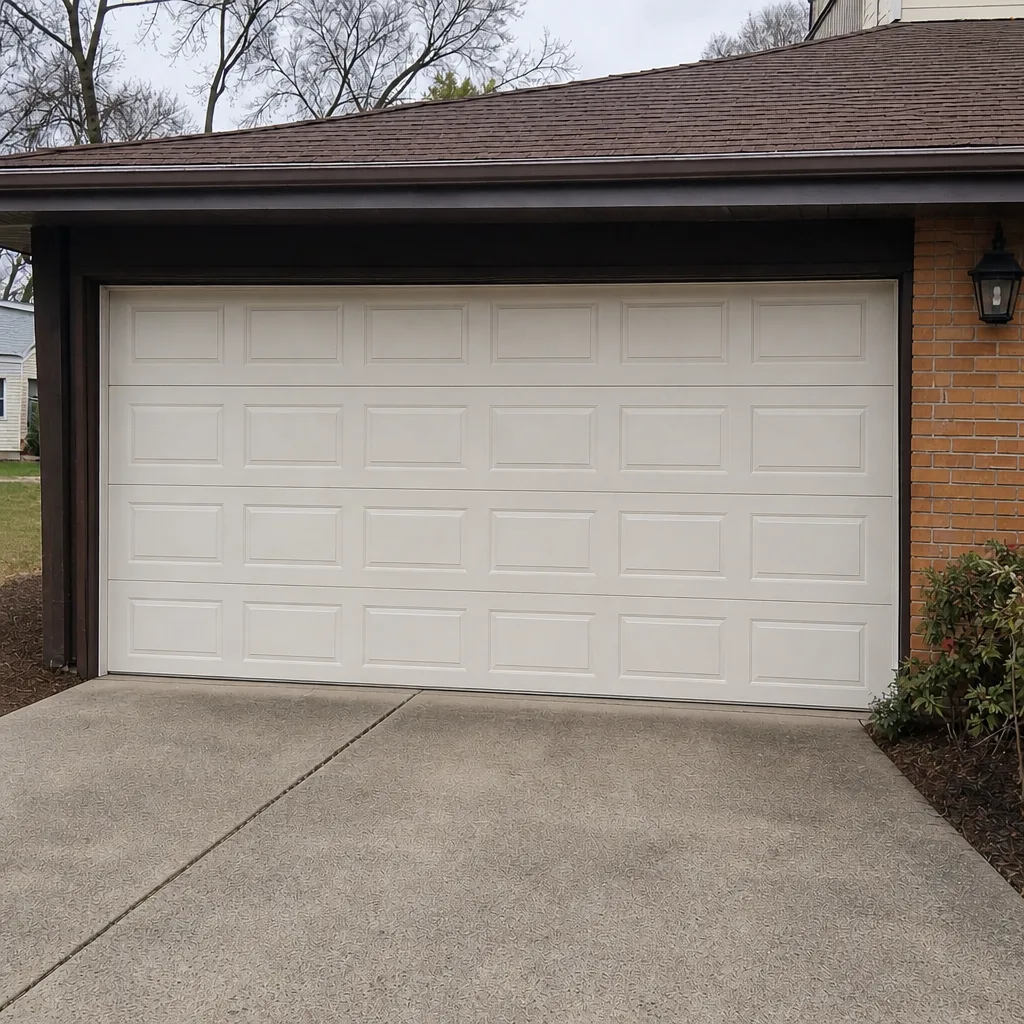
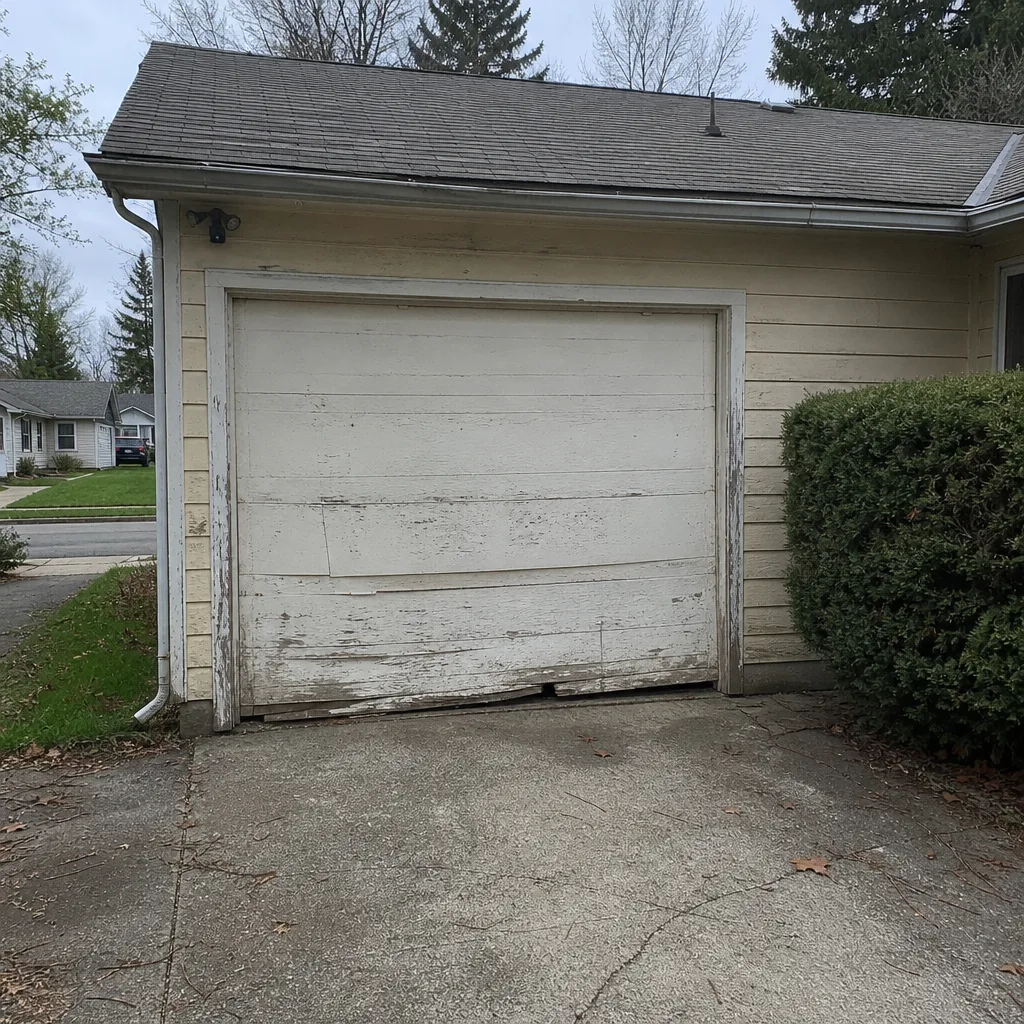
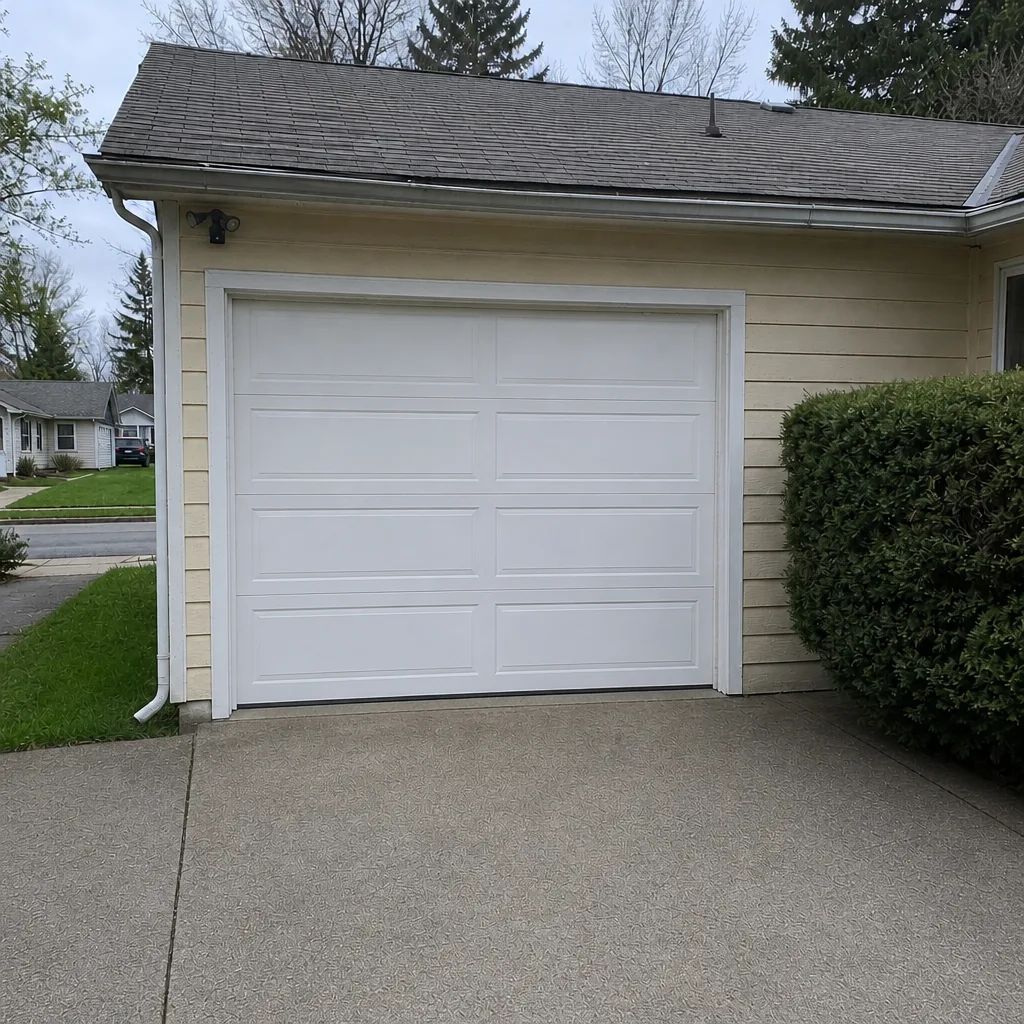
See the difference
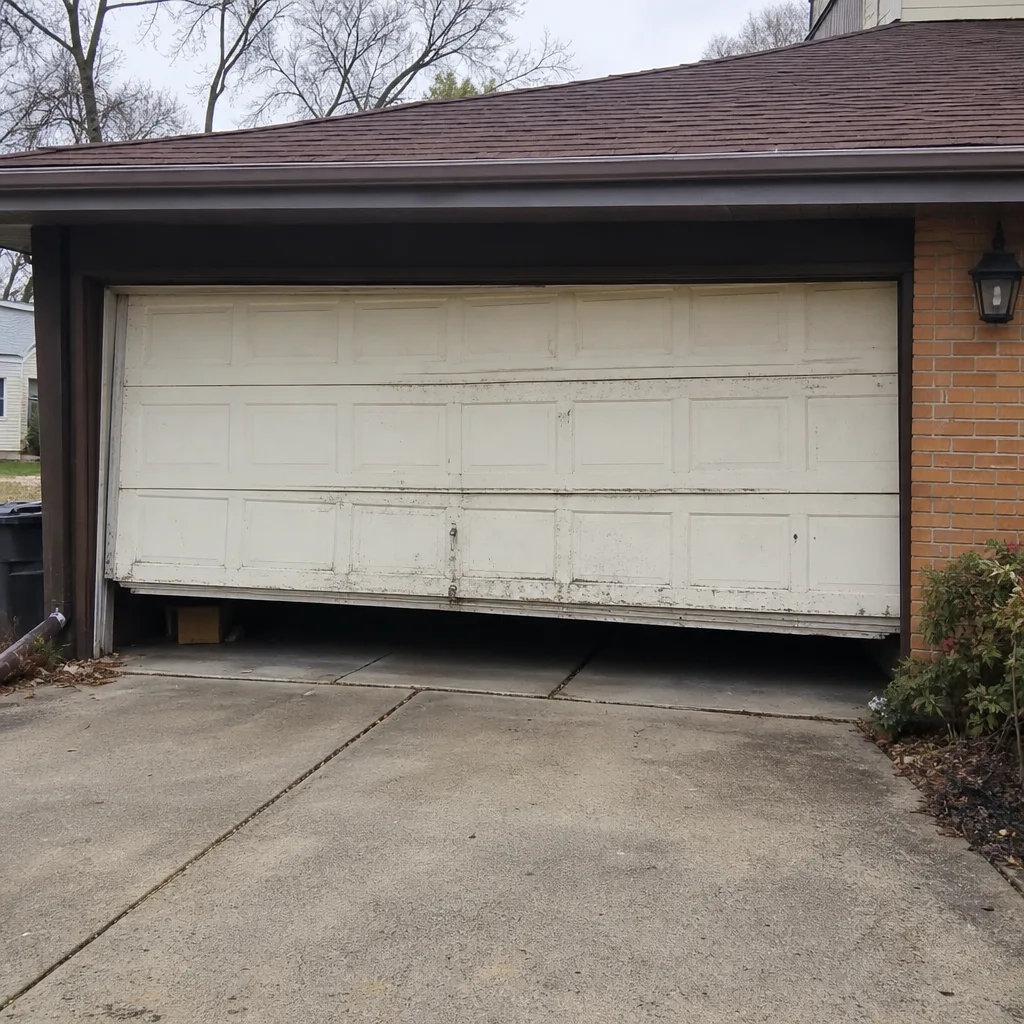 Before
 After
 Before
 After
 Before
 After
When to Call a Professional
Call a professional the moment you see a broken or slack spring, a snapped cable, or a door hanging off its track. Call when the manual release test shows the door is too heavy to lift safely. Call when a LiftMaster or Chamberlain opener shows a repetitive blink code you can’t match in the manual, or when a door reverses without an obstacle in the safety beam. And call when the door is on an old chain-drive opener, sounds labored, or has begun to slam rather than close smoothly, because those are signs of a system that needs attention. Garage Door Repair Northland offers free estimates in Northland; call (866) 347-6067, and we’ll diagnose the system, not the symptom.
Frequently Asked Questions
The most common causes are a dead remote battery, a broken spring, a tripped safety sensor, or a disconnected manual release. Start with the release test to separate opener problems from door problems, then check the sensor LEDs. Call (866) 347-6067 for a free estimate if the door is heavy or you spot a broken spring.
You’ll often hear a loud bang, the door won’t open more than a few inches, and you’ll see a gap in the coil above the door. Do not attempt to fix it yourself. Springs are under extreme tension and require a trained technician. Call (866) 347-6067 for an estimate; spring replacement is one of our core services.
A blocked, misaligned, or failed safety sensor is the usual cause, and Northland’s temperature swings between seasons can shift the sensors out of alignment. Clear both lenses, check that the LEDs are solid, and make sure the beam is unobstructed. If it still reverses with nothing in the way, call us for a check.
Repair cost depends on which system failed: opener repairs, spring repairs, cable and track work, and sensor work each carry different labor and part costs. That’s why we diagnose the system first and give you a written estimate before anything is touched. Call (866) 347-6067 for a free estimate.
Yes. We service eight of the most widely owned garage door and opener brands, including LiftMaster, Chamberlain, Craftsman, and Raynor. Because we stock garage door parts, the right part is often available so we can complete the repair in a single visit. Call (866) 347-6067 with your brand and model.
Some of it is. Checking sensor lights, remote batteries, and running the manual release test are all safe to do yourself. Anything involving springs, cables, or a door off the track is not, and should go to a specialist. When in doubt, call (866) 347-6067.
The Bottom Line
Troubleshooting a garage door in Northland comes down to diagnosing the right system before you chase the symptom. The manual release test tells you whether the problem is in the opener or the door itself. From there, the opener, springs, cables, tracks, and sensors each have their own signature symptoms. Temperature swings between Ohio winters and summers create false alarms that look mechanical but are really seasonal misalignment or flex. Know which category you’re in, stay hands-off on springs and cables, and call a specialist when safety is on the line. Our technicians have up to 8 years of experience and welcome the chance to help.
Garage Door Repair Northland has been built on single-trade focus: we service, repair, and install garage doors and openers, and that’s it. Call (866) 347-6067 for a free estimate and a diagnosis by system.
Written by the team at Garage Door Repair Northland.