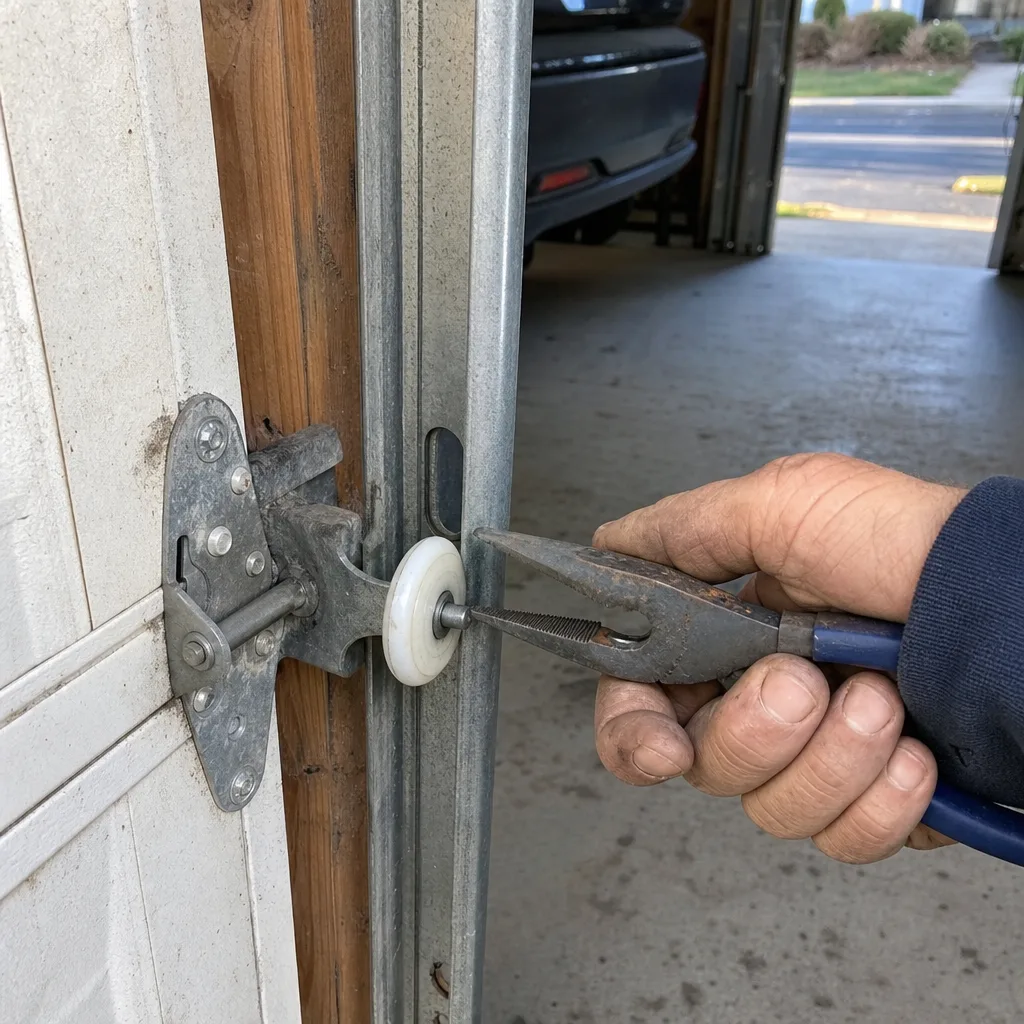
Last updated November 21, 2026
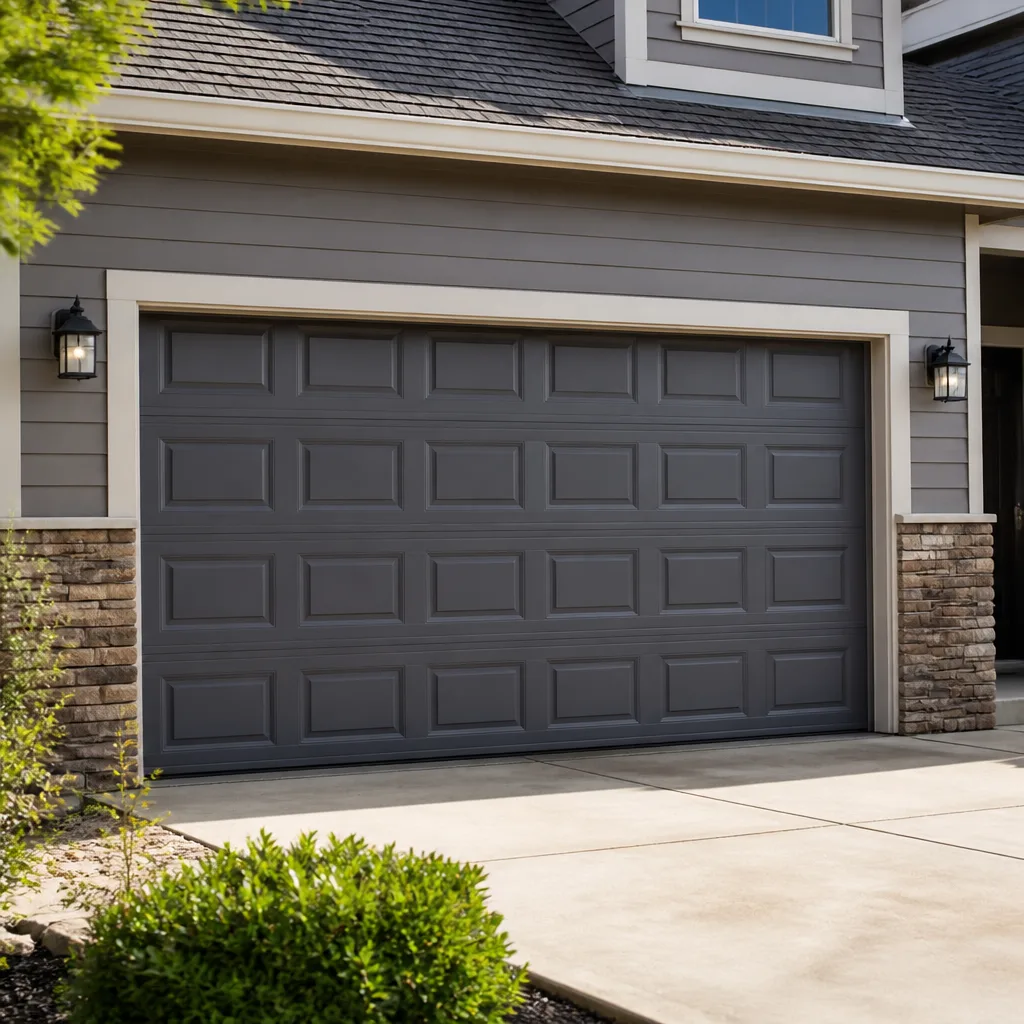 Raised-panel steel
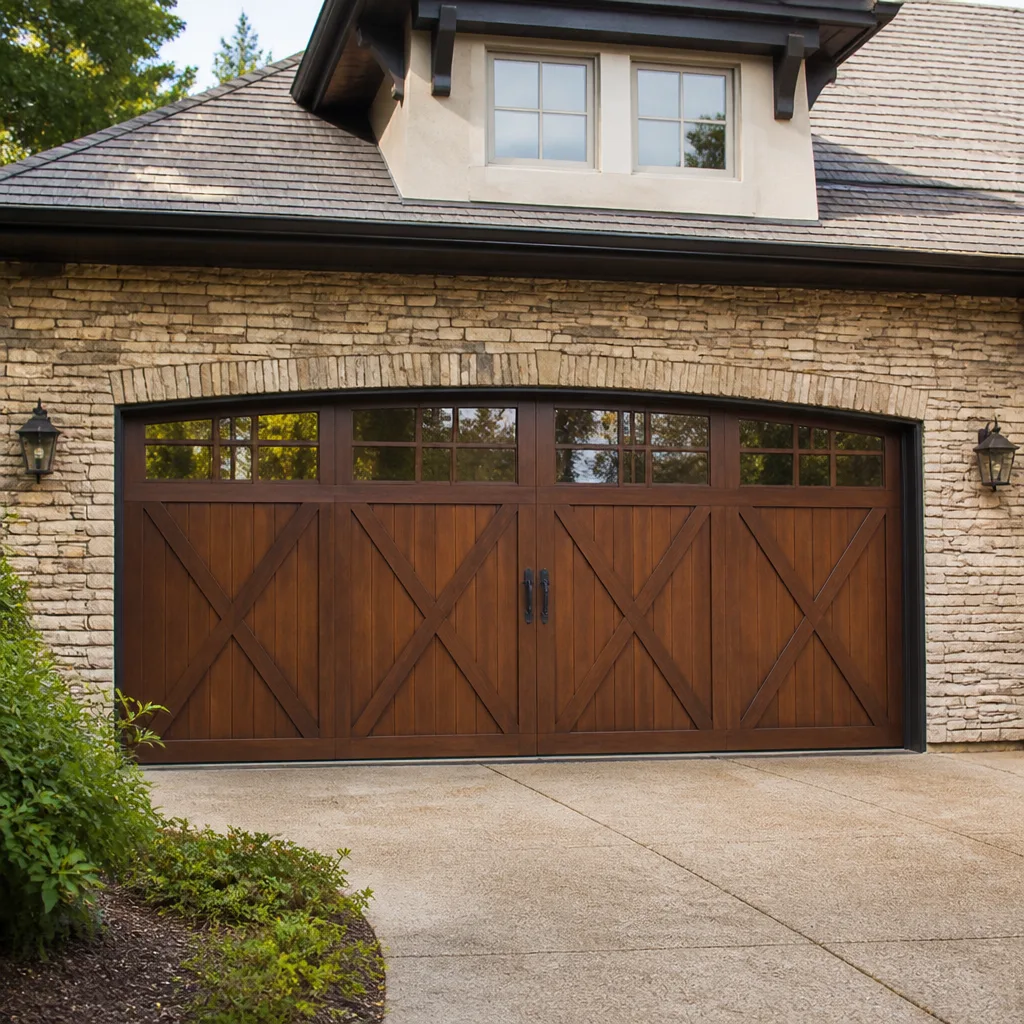 Carriage house
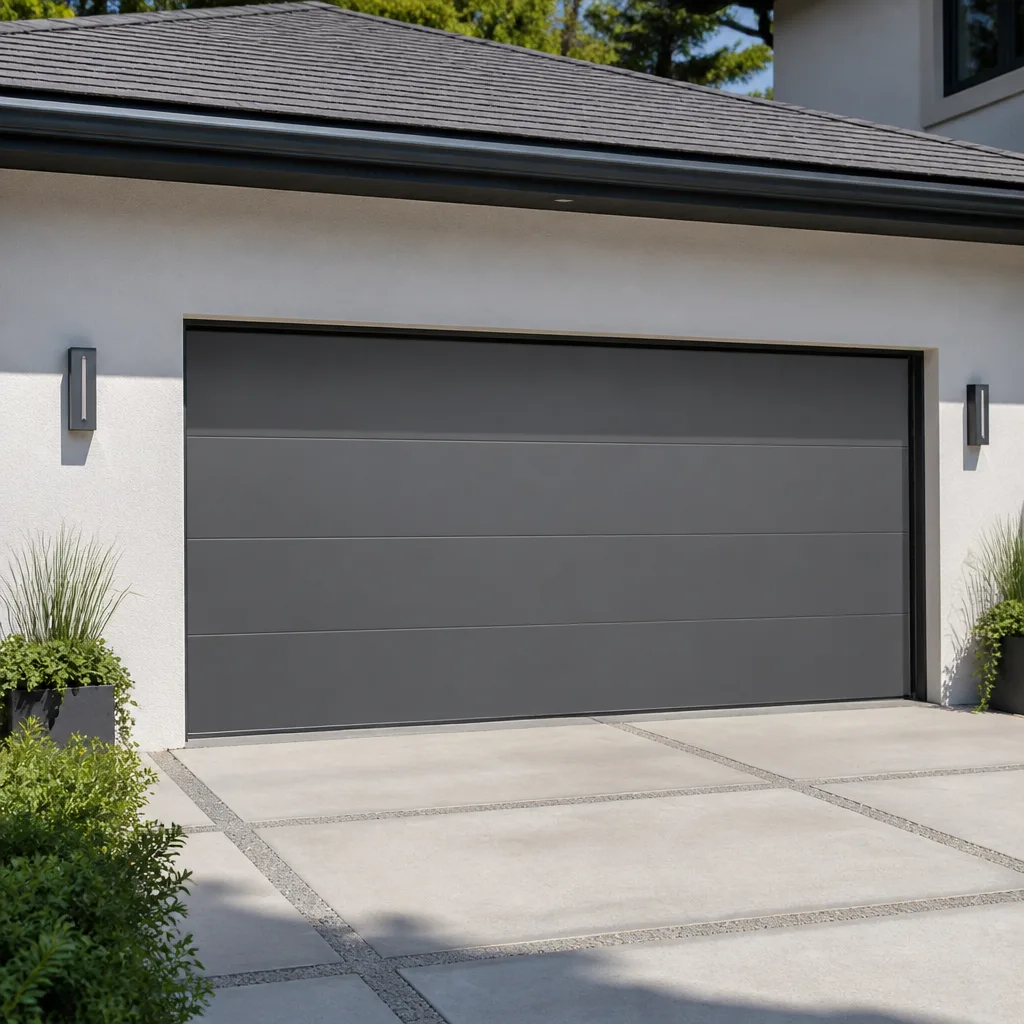 Modern flush
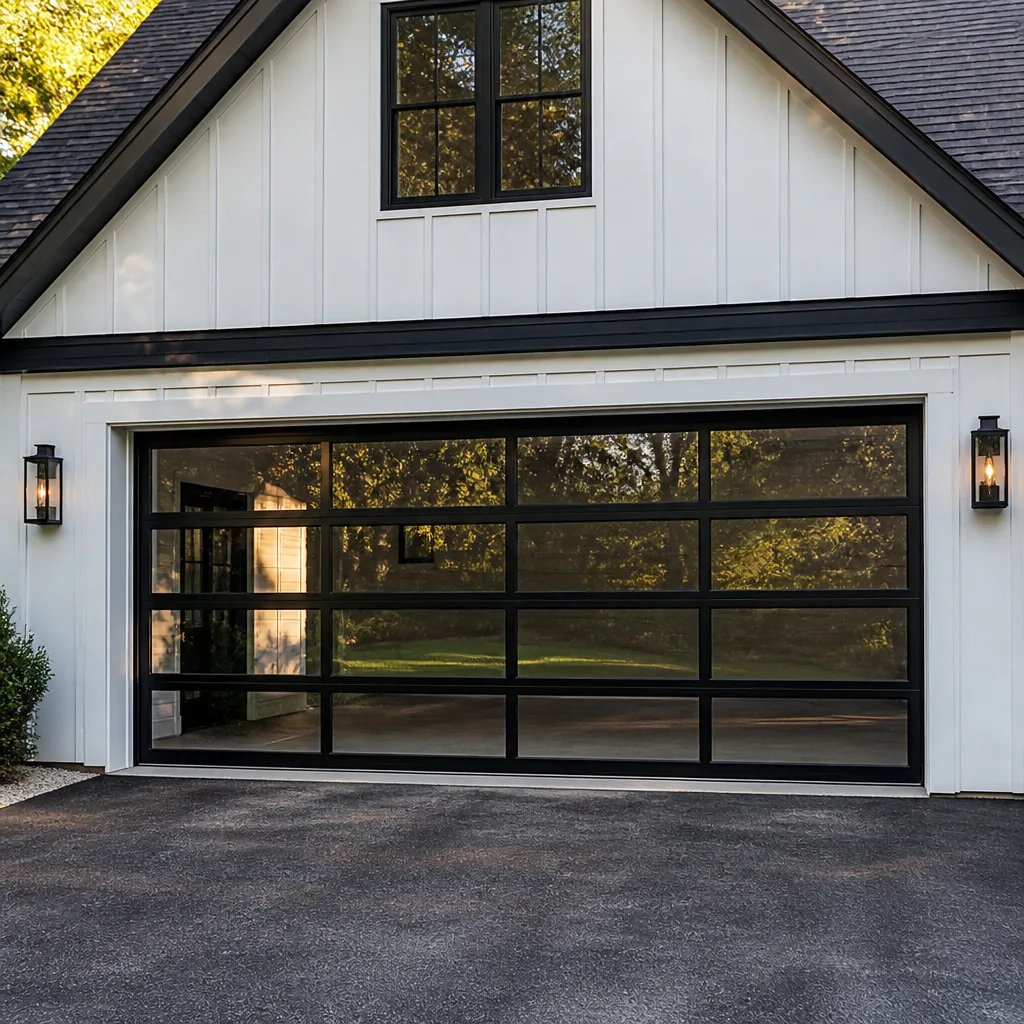 Full-view glass
 LiftMaster openers
 Chamberlain openers
Full 25-point door and opener safety check with every visit - springs, cables, rollers, tracks, and your LiftMaster or Chamberlain opener included
You get a price before we start. It does not change when the pro arrives.
Get your free estimateGarage Door Emergency Preparedness Guide for Northland Homes
Most homeowners treat a garage door emergency as a phone call problem. Something breaks, you grab your phone, you start dialing. But a garage door failure almost never happens at a convenient hour or in good weather. When a torsion spring lets go on a cold January night in Northland, you’re not just dealing with a repair. You’re dealing with a car that may be trapped, a garage that’s wide open to the street, and temperatures that won’t wait for a technician to arrive. This guide is about the ten minutes before the call. It covers how to move the door safely when the opener dies, how to secure a garage that won’t close, and what to do when a storm leaves a panel bent and the door stuck. We’ll walk through three kinds of emergencies, what each one demands, and the information that speeds up a real repair. Read it once now, and you’ll be able to act instead of guess.
Quick Answer
A garage door emergency in Northland falls into one of three categories: security (the door won’t close and the garage is exposed), safety (a spring or cable has failed and the door is dangerous to move), or weather (storm damage has compromised the door’s structure). Your first step differs by category – secure the opening for a security failure, stop touching the door for a safety failure, and document damage before moving anything for a weather failure. In every case, never force a door you suspect has broken spring hardware.
Styles & brands we work with
- Raised-panel steel
- Carriage house
- Modern flush
- Full-view glass
- LiftMaster openers
- Chamberlain openers
Table of Contents
- The Three Kinds of Garage Door Emergencies Northland Homeowners Face
- How to Manually Disengage and Move Your Door When the Opener Fails
- Temporary Security When Your Garage Door Won’t Close
- How to Tell When a Spring Failure Makes the Door Dangerous
- Storm Damage Response: What to Do With a Battered Garage Door
- Documenting Storm Damage for an Insurance Claim
- What to Tell the Dispatcher When You Call for Help
- Your Garage Door Emergency Prep Checklist
The Three Kinds of Garage Door Emergencies Northland Homeowners Face
Not all garage door failures require the same response, and treating them as identical wastes time you don’t have. In Northland, we see failures cluster into three broad categories, each with its own logic. Understanding which one you’re facing shapes everything that happens next.
Security emergencies: the door won’t close
Your opener hums but the door stays put, or the door lowers and bounces back up. Either way, the garage is open to the street. The door itself may be perfectly intact – the problem could be a misaligned photo eye, a dead remote battery, or a wall switch issue. The urgent need here is closing the opening, not diagnosing the opener. You’ll address the diagnosis after the gap is sealed.
Safety emergencies: hardware has failed under load
A spring has snapped with a bang, or a cable has slipped off its drum. The door may be sitting halfway up and refusing to move, or it may have slammed down. Torsion and extension springs carry enormous stored force, and a door with a failed spring can drop suddenly or rise unexpectedly. This is the category where doing nothing is often the right move until a trained technician arrives. The physical danger is real.
Weather emergencies: the door is damaged but functional
A wind event pushes a panel out of alignment, or a falling limb dents a section. The door might still open and close, but it’s binding, scraping, or leaving a gap. In Northland’s storm season, this is the most common scenario after high wind passes through. Weather damage sits between the other two categories – often the door can still be operated carefully, but not always, and forcing a misaligned panel can turn a repair into a replacement.
Keep those three categories in your head as you read on. Each section that follows tells you what to do for one of them. A specialist like Garage Door Repair Northland works across all three every week, and the protocol for each is genuinely different. Your job in the first minutes is to identify the category, not to fix the door.
How to Manually Disengage and Move Your Door When the Opener Fails
When the power goes out or the opener stops responding, most garage doors can be operated by hand using the manual release. The key word is can – and only if the door’s springs and cables are intact. If you heard a bang, or the door is sagging or leaning, do not attempt a manual release. Skip ahead to the spring safety section. For a door that’s simply lost its opener response, here’s the safe sequence.
- Confirm the door is closed and at rest. Pull the manual release only when the door is fully down. Pulling it mid-travel can send the door slamming down or springing up, depending on its balance.
- Locate the release cord. It hangs from the opener rail, usually red-handled. On a chain-drive Genie or a belt-drive Chamberlain, the cord is roughly in the same place – center of the rail, hanging down.
- Pull straight down firmly. You’ll feel the trolley disengage from the carriage. One steady pull is usually enough. Don’t yank at an angle.
- Test the door’s weight before committing. Lift it a few inches with one hand. A properly balanced door should move easily and stay where you leave it. If it feels heavy, won’t stay put, or grinds, stop and lower it.
- Move the door by its panel, not the handle or weather seal. Lift with a flat hand under the bottom section, or grip the panel edge. Keep the door centered in its tracks as you go.
- Re-engage when power returns. Push the release carriage back toward the opener travel until it clicks, then test the opener at the wall switch before you go anywhere.
Two things people get wrong here. First, they leave the door half-open on a manual release and forget it’s disengaged – then hit the remote and wonder why nothing happens. Second, they force a door that feels heavy. A heavy-feeling door is a balance problem, and a balance problem usually means a spring issue. Stop, close it fully, and call for garage door repair. If it’s the opener unit itself that’s dead, garage door opener repair covers the diagnosis. A standard opener on most Northland doors will re-engage cleanly once the trolley is reset; if it won’t, the carriage or the opener’s logic board may need attention.
Temporary Security When Your Garage Door Won’t Close
When your door won’t close, the immediate answer isn’t always “call a professional.” It’s “close the gap.” A garage left open overnight in Northland is a security exposure and, in winter, a frozen-pipe risk. Try these in order, and you’ll usually seal things up enough for the night.
Step 1: Check the photo eyes
The safety sensors at the bottom of each track, one on each side, are the most common cause of a door that won’t close. Look for a small LED on each sensor. If one is off, the sensors aren’t seeing each other. Wipe both lenses clean, check that the sun isn’t blinding one of them, and make sure nothing – a broom handle, a bag of mulch, a leaf – is in the beam. Realign them by hand and try the wall switch.
Step 2: Bypass the remote
Try the wall switch instead of the remote. If the wall switch works, your remote or its battery is the issue, not the door. A dead remote is a two-minute fix, not an emergency.
Step 3: Disengage and close manually
If the door is intact and balanced, pull the manual release as described above and lower the door by hand until it seats. Don’t let it drop. Then, to hold it closed, drop the manual release back in so the door stays locked to the opener rail.
Step 4: Physical backup if the door still won’t stay
If the door sits a few inches open, a heavy piece of lumber cut to the door’s width laid across the bottom of the tracks will keep it from being lifted from outside. This is a temporary measure, not a repair – a determined intruder can defeat it – but it holds the door down for the night.
What to have on hand before anything fails
- A flashlight with fresh batteries kept in the garage, not inside the house
- A piece of 2×4 lumber long enough to span your door width
- The manual release location marked – you shouldn’t have to hunt for it at midnight
- Your insurer’s claims phone line and your policy number written somewhere other than a phone that may be dead
You’ll want a real repair the next morning. A specialist covering your Northland neighborhood can typically reset photo eyes or repair a binding opener the same visit. In the meantime, the lumber across the tracks buys you the night without a drive across town.
How to Tell When a Spring Failure Makes the Door Dangerous
Springs are the one part of your garage door system a homeowner should never touch. Torsion springs store enough energy to cause serious injury in a fraction of a second, and extension springs let go with a violent snap. Here’s how to know whether a spring failure has left your door dangerous to move – and what the indicators are.
A spring has likely failed if any of these are true:
- The door feels extremely heavy. Try lifting it two inches. If it takes real effort, the spring isn’t doing its job.
- You heard a loud bang from the garage. Torsion spring failures sound like a sharp report, followed by the garage door settling.
- The door is hanging unevenly or sitting low on one side. A snapped extension spring usually pulls one side out of balance.
- A gap has opened in the torsion spring coil. Look at the spring above the door – a visible gap means the coil has broken.
- The opener strains or stops partway. If the door feels heavy and the opener can’t move it, the opener is trying to lift a door whose springs are gone. Stop using it.
If any indicator is present, do not pull the manual release. Do not try to lift the door. Do not run the opener to see if it works anyway. A door with broken spring hardware can slam down without warning, and the same stored energy that can lift a door can also drive the cable and drum past their limits. Park the car outside the garage if you can, and keep children and pets clear of the door.
This is the part of the job where the safety margin matters most. Spring repair is one of the most hazardous and technically specific garage door services, and the right fix is to have a trained technician handle it. Our technicians have up to 8 years of experience with torsion and extension springs across every major door and opener brand. You can leave the door closed and call for a professional spring assessment, but don’t reach for a wrench yourself.
Storm Damage Response: What to Do With a Battered Garage Door
Northland’s storm season brings wind and, on occasion, hail. A garage door is the single largest moving object on most homes and one of the most exposed. When wind or a falling limb leaves a section bent, panels out of alignment, or the door stuck open, the response matters as much as the repair.
Here’s the storm damage protocol, in order:
- Keep everyone clear of the door. A door that has taken an impact can be unstable. Don’t stand under it, don’t operate it, and don’t try to straighten a bent panel by hand.
- Photograph everything before you move anything. Wide shot of the whole door, close-ups of the bent panel or damaged track, and a shot that includes the surrounding house for scale. If a limb or debris is involved, photograph it in place first.
- Leave the debris where it fell until it’s photographed. Once documented, clear any limb or branch off the door before it pushes the panel further out of alignment.
- Check the tracks by eye, not by hand. If a track looks bent or pushed inward, the door may not travel cleanly even if it’s closed now. Don’t try to straighten it.
- Assess whether the door is safe to leave as-is. If the door is closed and holding, leave it closed until a technician inspects it. If it’s open and won’t close, use the temporary security steps above as a stopgap.
- Call your insurer before you call for the repair, if damage is significant. Most policies require you to report damage promptly, and you’ll want to understand the claim process before you authorize repair work.
Hail is uncommon in Northland, so most of what we see after a storm is wind and impact damage rather than hail dings. That said, a wind-driven segment of a door genuinely can flex a panel enough to misalign it, and a small branch can do more damage to a Clopay or Amarr door than people expect. After the storm, a thorough look at the door’s operation – does it open and close smoothly, does it pause or bind halfway, does it leave a visible gap – tells you whether you’re dealing with cosmetic damage or something structural. If the door is binding, don’t run it repeatedly. Each cycle can push a bent panel harder into the track. Call for an inspection instead, and if the door turns out to be beyond repair, a full garage door installation is the next step.
Documenting Storm Damage for an Insurance Claim
Most homeowners’ policies cover garage door damage from wind, falling limbs, and vehicle impact. Getting a claim paid well is mostly about the documentation you do before you call the adjuster. Here’s the documentation you’ll want on hand.
- Photos of the damage, as found. Wide shots, close-ups, and a shot that shows the whole house for location context. Take them before you clear debris.
- Photos of the debris itself. If a limb landed on your door, photograph it where it fell. That’s your proof of cause.
- A short written timeline. When the storm passed through, when you noticed the damage, and what you did or didn’t do to the door. Keep it factual and brief.
- Your original door details if you have them. Brand, model, install date, and any warranty paperwork. A Clopay or Wayne Dalton door will have a serial number on the inside of the top panel or the end stile; the door frame is worth photographing even under the damage.
- Your repair estimate. Once you’ve had the door inspected, keep the written estimate with the claim file.
What not to do: don’t throw away damaged components before the adjuster sees them (if they’re unsafe to keep, photograph them first and note the disposal in your timeline). Don’t authorize the full repair before you’ve talked to your insurer unless the door is genuinely unsafe to leave unrepaired. And don’t assume the claim will cover everything – most policies have a deductible and an adjuster will want to see damage consistent with the reported cause.
If you’re not sure whether your damage is worth a claim, a written estimate from a garage door technician gives you the number to compare against your deductible. We can work with your insurer on the documentation side. In Northland, a storm damage estimate is a good first step.
What to Tell the Dispatcher When You Call for Help
The information you give when you call determines how quickly and how well-equipped the response is. A dispatcher who knows the door’s brand, model, and failure mode can send the right parts and the right technician. A dispatcher who doesn’t will send someone to look. Here’s what to have ready.
The basic information
- Your address and whether the door is accessible. If your driveway is blocked or the door is behind a gate, say so up front.
- The door’s brand. LiftMaster, Chamberlain, Genie, Clopay, Amarr, Wayne Dalton, Craftsman, Raynor – if you know it, say it. If not, the brand is usually printed on the opener motor housing or stamped on the door’s top section end stile.
- The failure mode. Won’t open, won’t close, dropped, slammed, hanging uneven, making a bang and now sitting still, bent in a storm. Describe the door’s current position and whether it’s safe to move.
- What you’ve already tried. Remote, wall switch, manual release, breaker. This saves the technician a diagnostic step.
- Whether the car is trapped inside. That changes the urgency.
- Whether the door is safe to leave. Is it closed, partially open, fully open?
What raises urgency
Tell the dispatcher immediately if any of these are true: a spring has visibly snapped, the door is hanging from one side, the door is blocking a car that’s needed for work or school, or the garage is wide open to the street and can’t be secured. These are the cases where the order of calls changes – you may want to make the security call first, then the repair call, or ask for help sealing the opening while you wait.
We keep parts on hand for the brands we service, which means a call that includes brand and failure mode often translates into a same-visit repair instead of a return trip. The more you tell us, the fewer trips it takes. Call (866) 347-6067 – estimates are free.
Your Garage Door Emergency Prep Checklist
The best time to prepare for a garage door emergency is a sunny afternoon when nothing is wrong. Run through this list once, and the next failure won’t be a late-night scramble.
- Find your manual release. Locate the release cord, confirm it pulls freely, and note where it hangs. Show every adult in the household.
- Test the door balance. On a closed door with the opener disengaged, lift the door halfway by hand. It should stay put. If it sinks or won’t hold, the springs need attention – schedule an inspection before a failure.
- Check your photo eyes. Both LEDs should be lit steadily. If one flickers or is off, realign it now rather than in the dark.
- Look at your springs. Count them (one or two torsion springs is typical), note their location, and check for visible gaps. A spring with a gap is already broken.
- Know your brand. Find the brand and model on the opener housing and the door’s end stile, and write them on a piece of paper kept in the garage.
- Store a flashlight and lumber in the garage. Two items that solve the worst ten minutes.
- Save your insurer’s claim line and (866) 347-6067 in your phone. The number you need should never be the thing you’re looking up at 11 PM.
A few minutes of preparation pays off across the whole life of your door. Our technicians have up to 8 years of experience and have seen what happens when a door that needed a balance adjustment blows up into a full replacement. Catch it in the calm.
Common Mistakes to Avoid
- Forcing a heavy door. If a door feels heavy on the manual release, the springs aren’t doing their job. Pulling harder can drop the door or strain the opener, and it never fixes the underlying spring issue. Stop, close it, and call for a spring inspection.
- Retrying the opener after a spring snap. Running the opener on a door with broken springs drives the motor and gear against the full weight of the door. That can turn a spring repair into a spring plus opener repair. Leave the opener off until a technician looks at it.
- Assuming a door that won’t close needs a new opener. Photo eyes, remote batteries, and wall switch faults account for a large share of “opener failure” calls in Northland. Try the wall switch and check the sensor LEDs before you conclude the opener is dead.
- Clearing storm debris before photographing it. If a limb or branch took out your door, the photo of it where it landed is your insurance evidence. Document first, clear second.
- Withholding safety indicators from the dispatcher. Saying “the door is broken” gets a slower, less-equipped response than “the torsion spring snapped and the door is hanging on one side.” Tell the dispatcher exactly what happened.
- Straightening a bent track or panel by hand. A bent track won’t move back into shape with pressure, and trying can push the door off its rollers. Leave the straightening to a technician.
- Leaving the garage open overnight “just once.” In Northland, an open garage on a January night is a frozen pipe risk and a security risk at the same time. The lumber across the tracks takes thirty seconds.
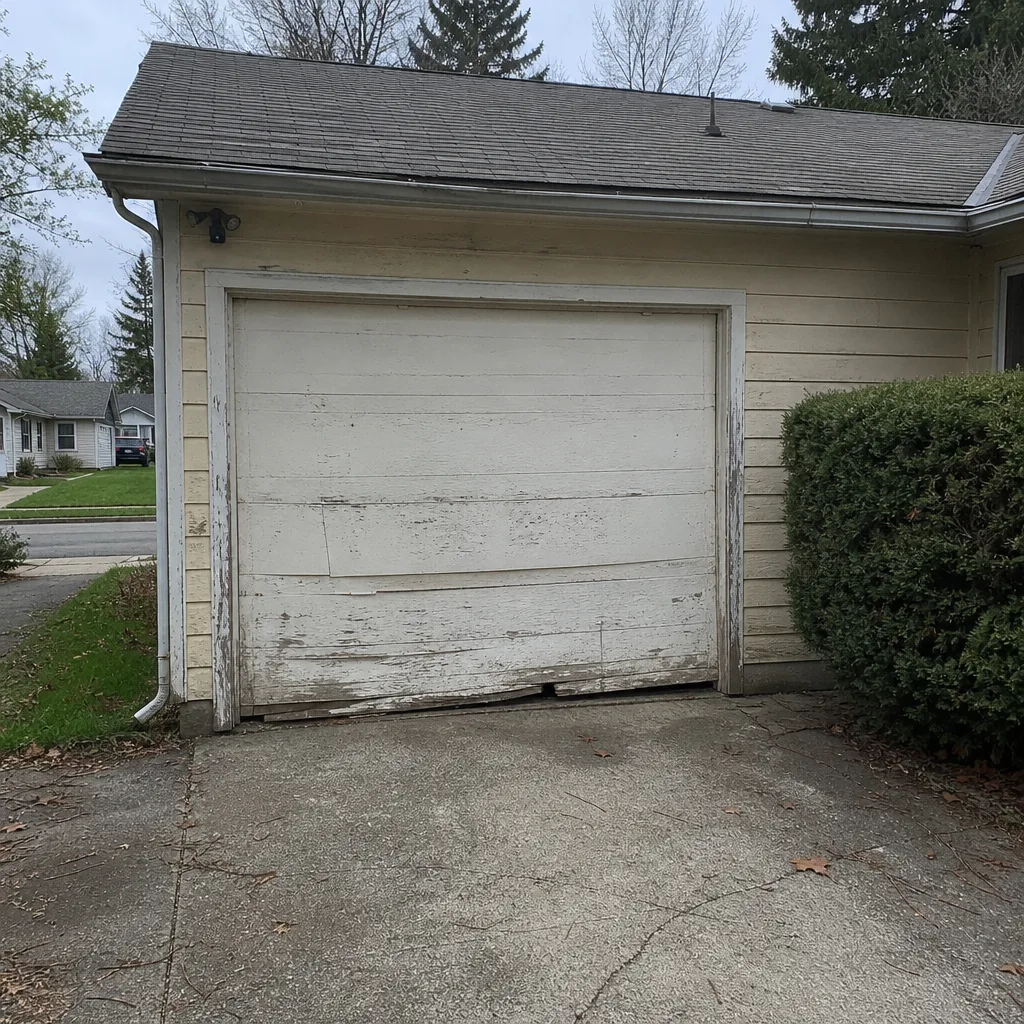
See the difference
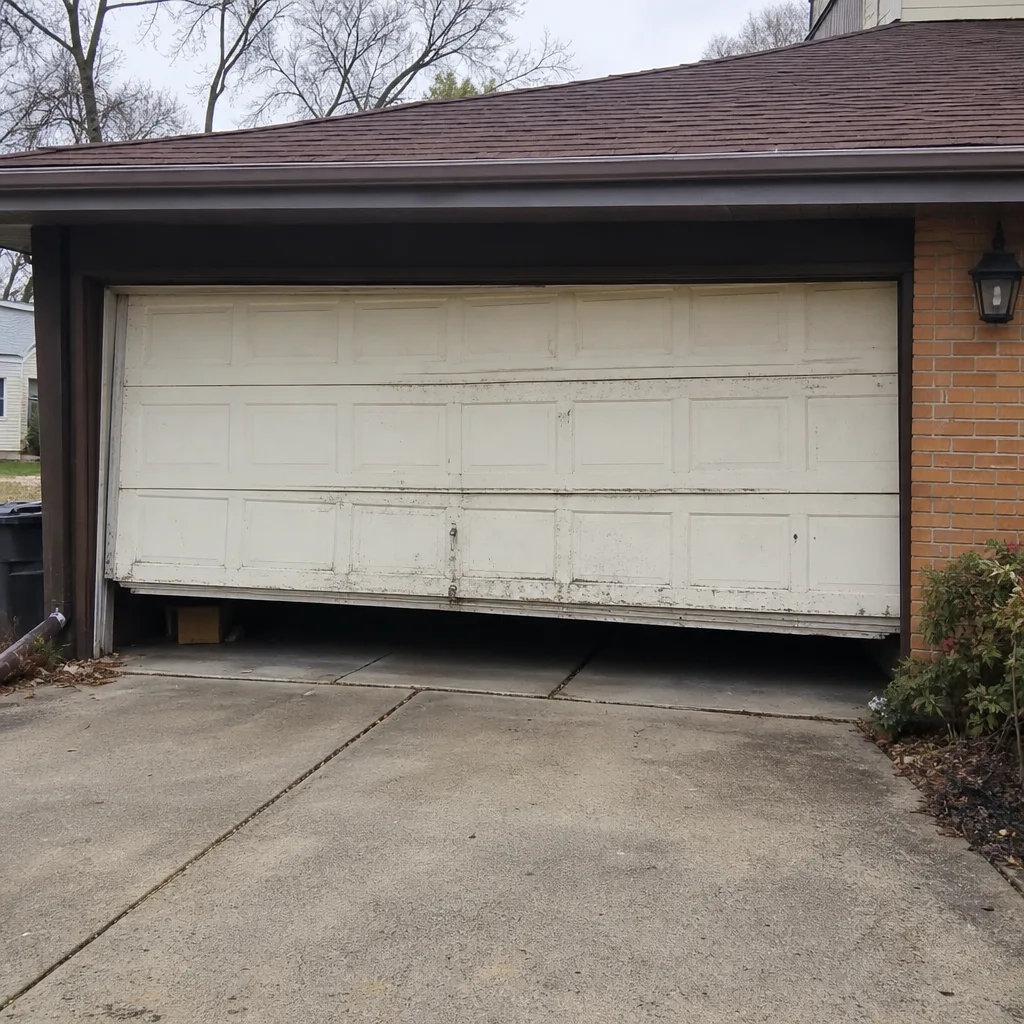 Before
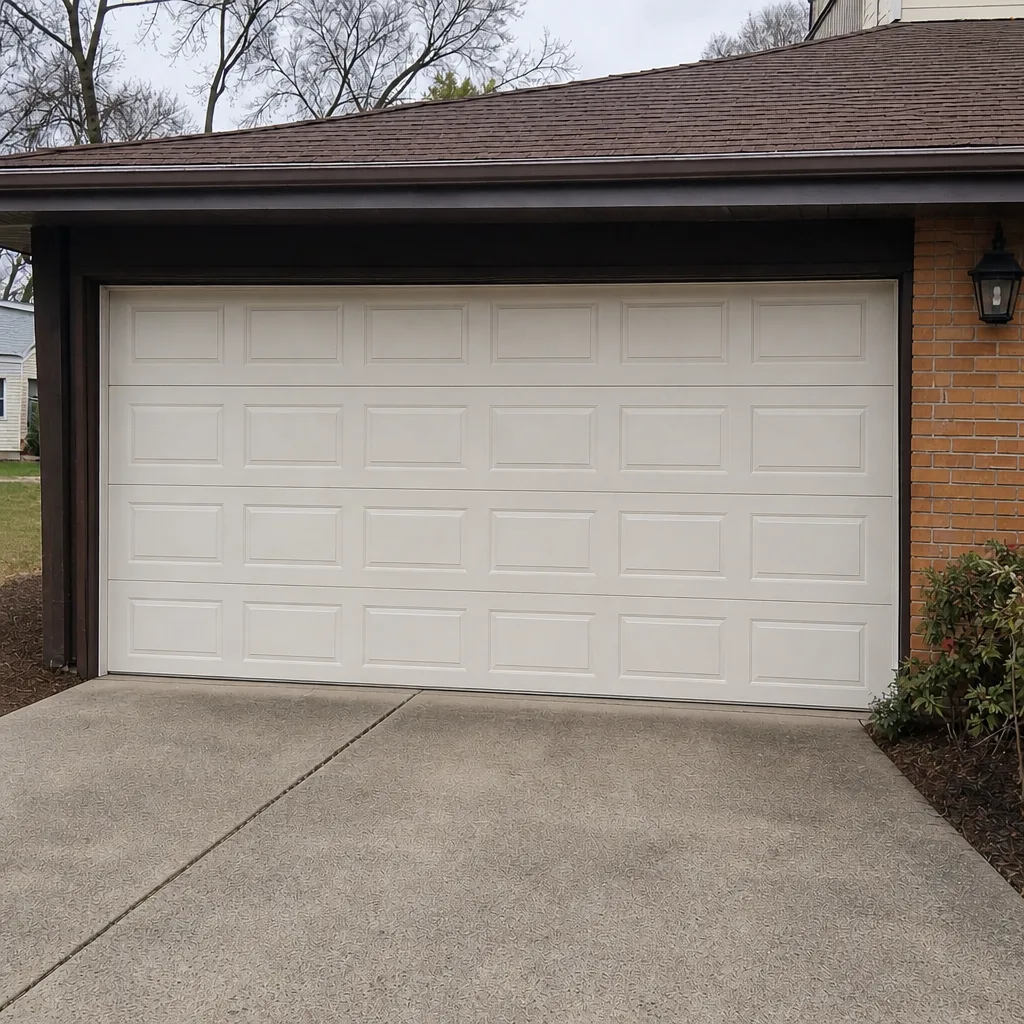 After
 Before
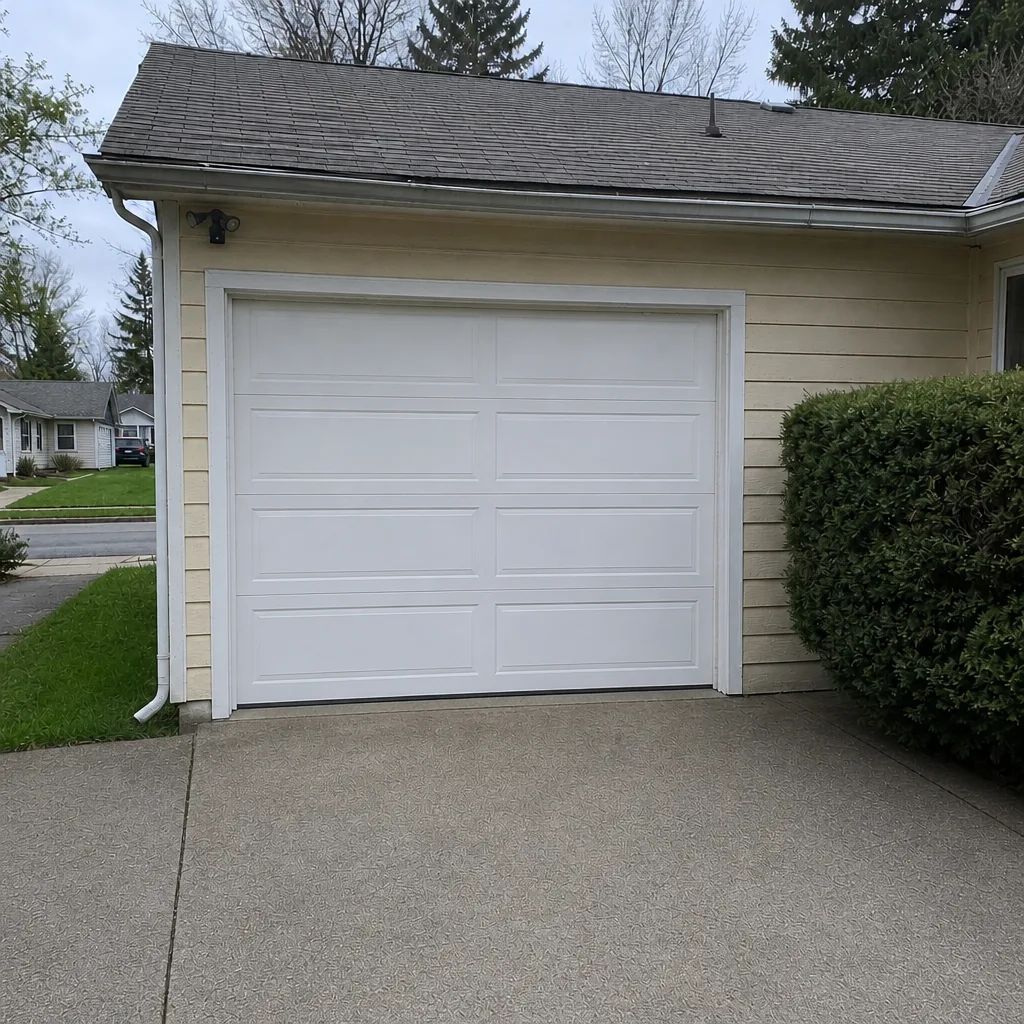 After
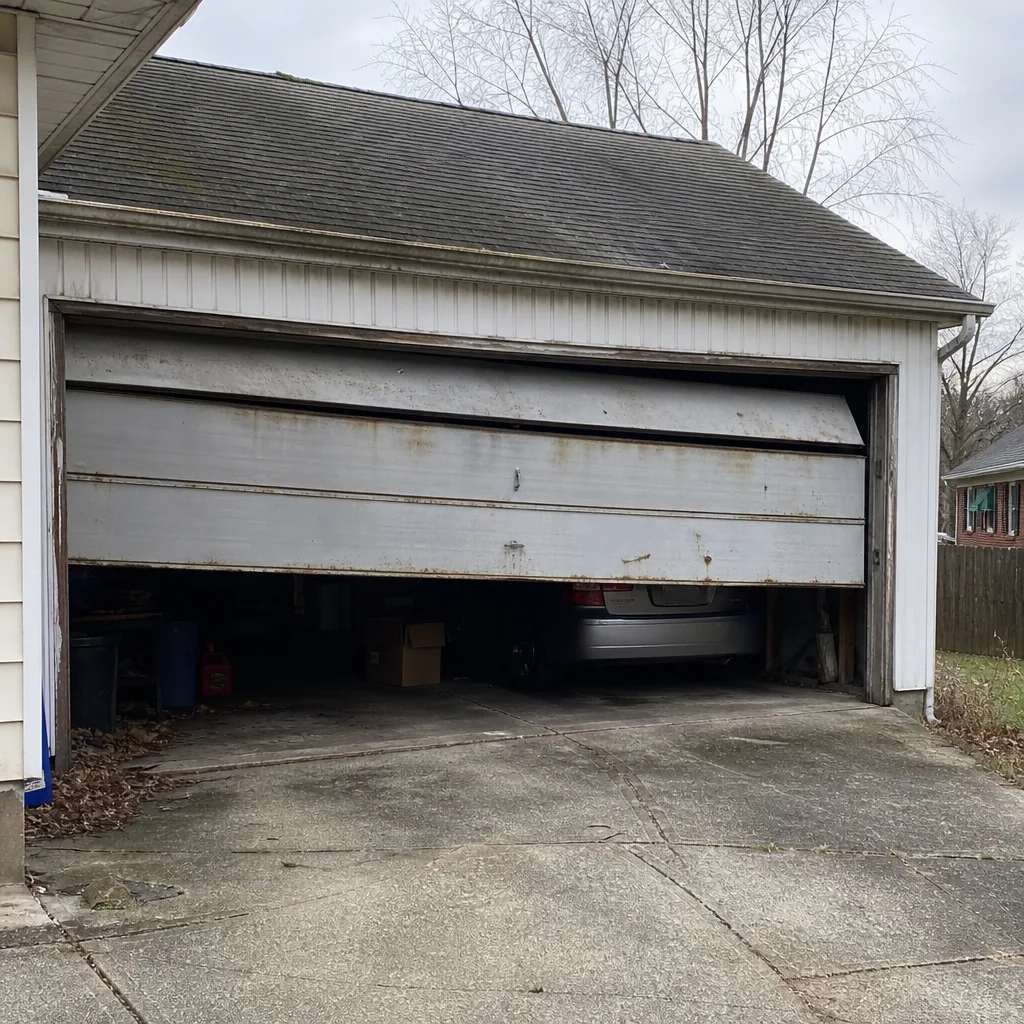 Before
 After
When to Call a Professional
Some garage door problems are a remote battery. Others are genuinely dangerous to handle yourself. Here’s where the line sits. Call a technician if a spring has snapped or you suspect it has, if the door is hanging unevenly, if the opener strains or stops partway, if the door won’t close and the photo eyes aren’t the cause, or if storm damage has bent a panel or track. Any of these involve hardware under load or structural alignment, and neither is a homeowner job. For minor issues like resetting photo eyes, swapping a remote battery, or re-engaging the manual release, you can handle it yourself.
Garage Door Repair Northland offers free estimates in Northland – call (866) 347-6067. We specialize exclusively in garage doors, so the technician who arrives works on doors every day, not as a sideline. Same-day service is often possible for repair calls, and the price is agreed before any work starts.
Frequently Asked Questions
Stop using the opener and do not try to lift the door by hand. A broken spring leaves the door’s full weight on the opener, and a door with a snapped torsion spring can drop suddenly. Park the car outside if you can, keep the door closed, and call for a spring repair. Call (866) 347-6067 for a free estimate – a technician can confirm the failure and set a repair time.
Yes, if the door’s springs and cables are intact and the door is balanced. Pull the red-handled release cord straight down when the door is fully closed, lift the door a few inches to test its weight, and move it by the panel. If the door feels heavy or won’t stay in place, don’t force it – that’s a spring issue, not a power outage issue. Call (866) 347-6067 for help.
Spring repair pricing depends on the spring type, door weight, and whether one spring or a matched pair is being replaced. Generally, a pair costs roughly twice a single spring. We don’t quote a range here because the written estimate is the price – you’ll get a specific number before any work begins, and that number holds. Call (866) 347-6067 for an exact quote – estimates are free.
Check the photo eye LEDs first and wipe the lenses – misaligned sensors cause most won’t-close problems. If that doesn’t solve it, disengage the manual release and lower the door by hand into the closed position. If it still sits a few inches open, lay a piece of lumber cut to the door’s width across the inside of the tracks to hold it down overnight. Then call for repair in the morning – (866) 347-6067.
Most homeowners’ policies cover wind, falling-limb, and vehicle-impact damage to a garage door, subject to your deductible. Photograph the damage and any debris as you found it before you clear anything, keep a written timeline, and report the damage to your insurer promptly. We can work with your insurer on the documentation side. An inspection and written estimate gives you the figure to compare against your deductible – call (866) 347-6067.
The local professional we connect you with is licensed and insured as their state requires. Our technicians have up to 8 years of experience and specialize only in garage doors. The written estimate sets the final price – the number agreed before work starts is the number on the invoice. Call (866) 347-6067 to schedule a free estimate in Northland.
The Bottom Line
Garage door emergencies in Northland come in three flavors – security, safety, and weather – and each one wants a different first move. For a security emergency, seal the opening and stabilize the door. For a safety emergency, stop using the door and never touch the spring yourself. For weather damage, document first and move nothing until you’ve photographed it. The rest comes down to preparation: know where your manual release hangs, test your door’s balance now, keep a flashlight and a length of lumber in the garage, and write down your brand and failure mode before you call. That’s the protocol that turns a bad night into a manageable one. When the door actually needs a specialist, we cover repair, opener repair, spring repair, parts, and new installation across LiftMaster, Chamberlain, Genie, Clopay, Amarr, Wayne Dalton, Craftsman, and Raynor. One call covers the whole job. Call (866) 347-6067 for a free estimate in Northland – the price is agreed before any work starts.
Written by the team at Garage Door Repair Northland.