Last updated November 21, 2026
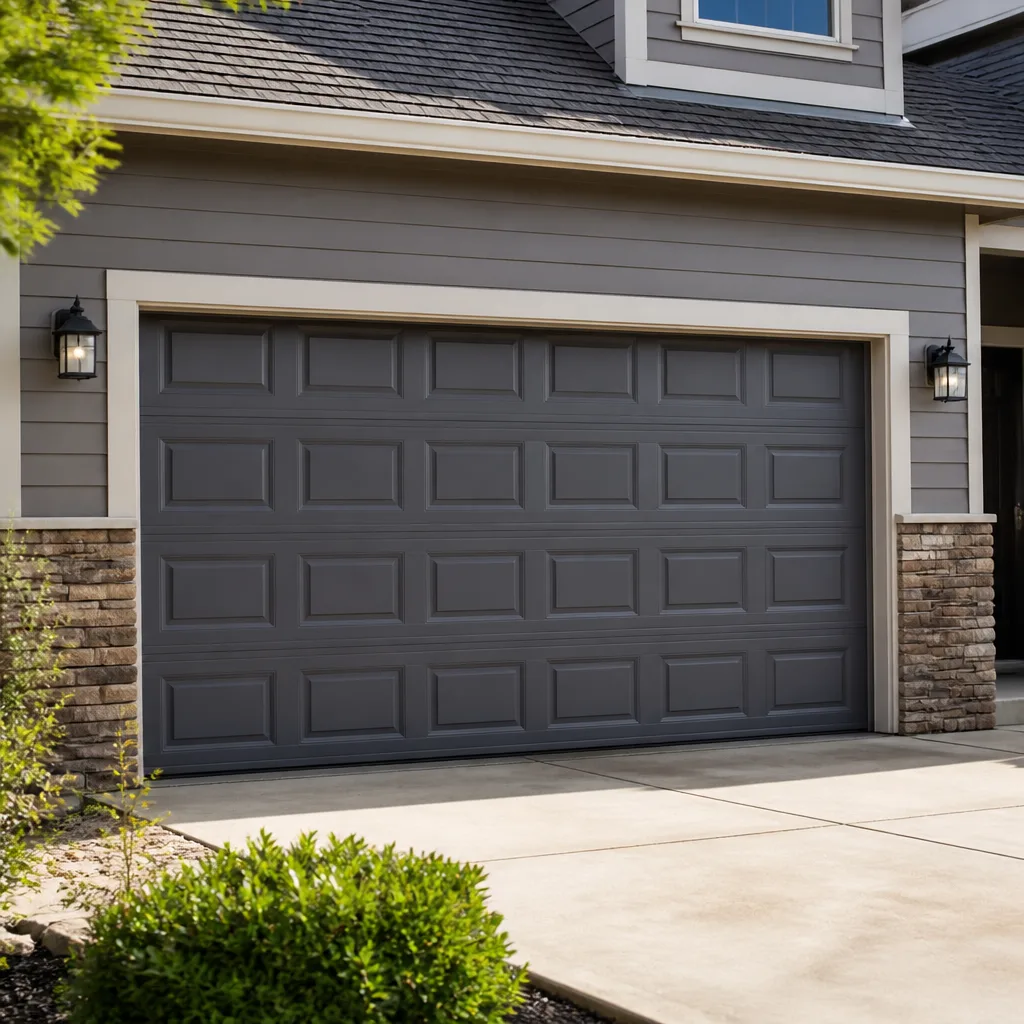 Raised-panel steel
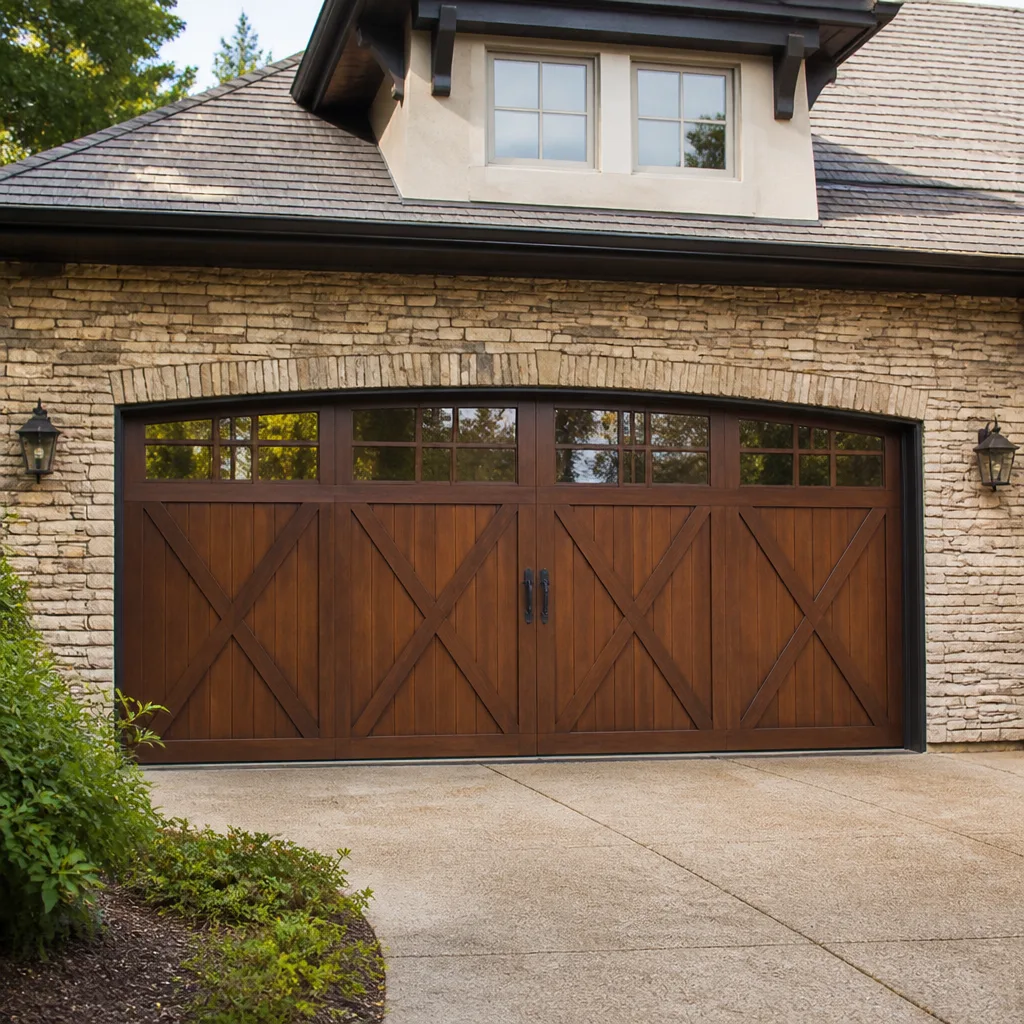 Carriage house
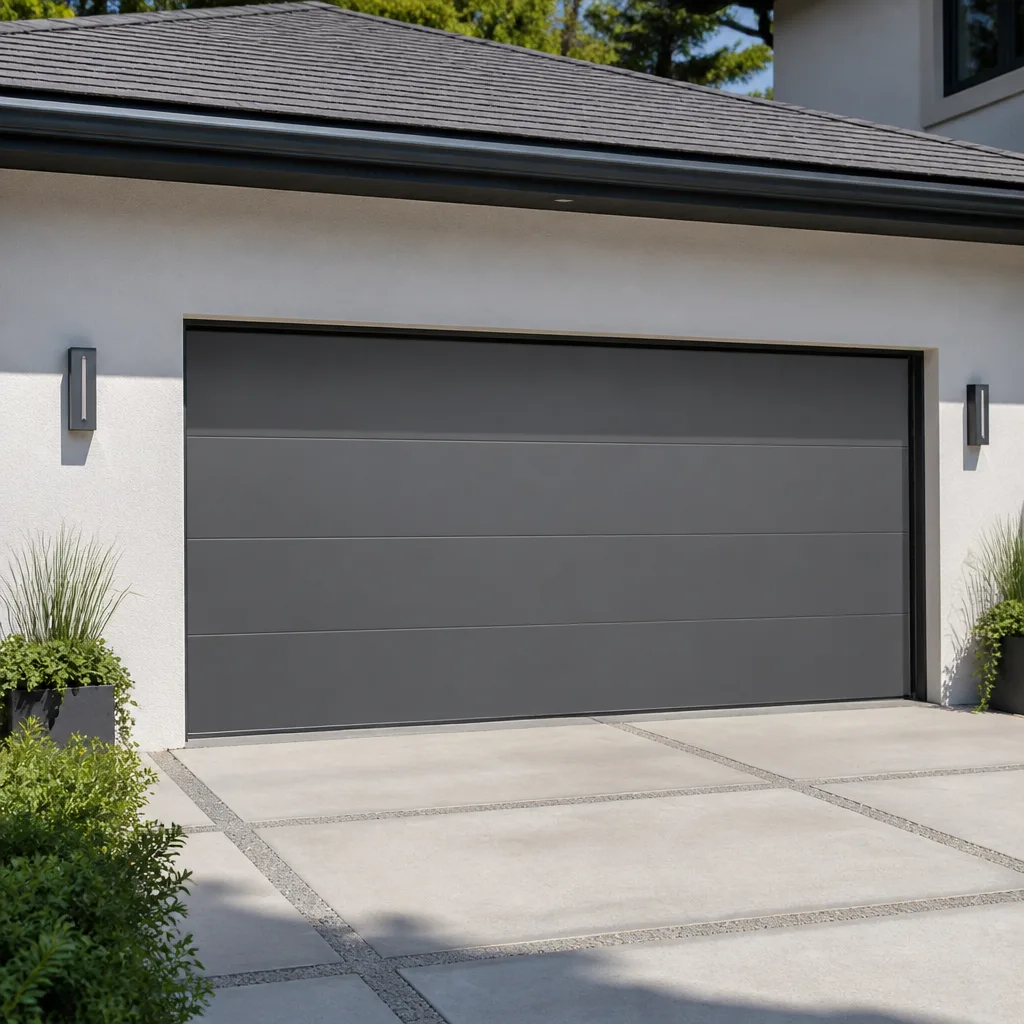 Modern flush
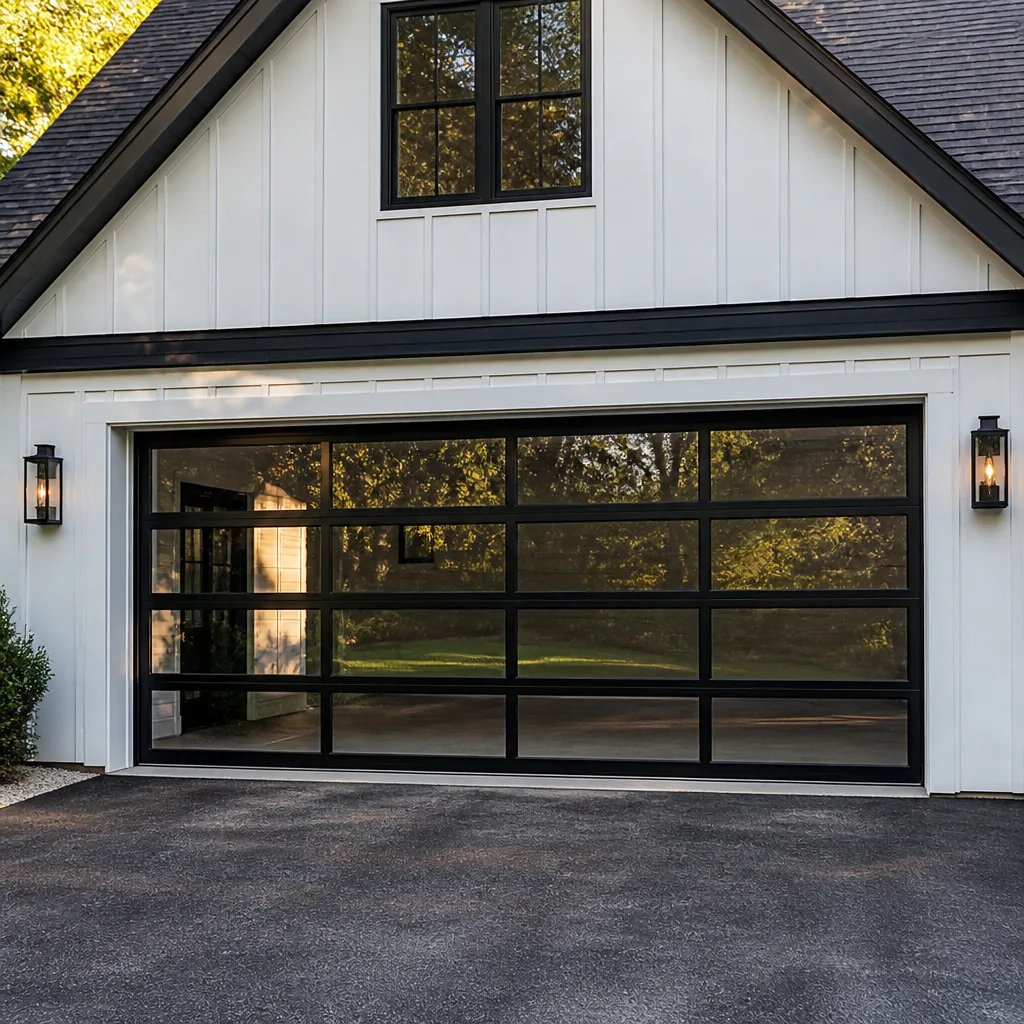 Full-view glass
 LiftMaster openers
 Chamberlain openers
Full 25-point door and opener safety check with every visit - springs, cables, rollers, tracks, and your LiftMaster or Chamberlain opener included
You get a price before we start. It does not change when the pro arrives.
Get your free estimateSeasonal Garage Door Care for Northland: Year-Round Homeowner’s Guide
Most homeowners assume the coldest week of the year is what breaks a garage door spring. In our experience across Northland, it isn’t the cold that does the damage. It’s the swing. A January warm front pushes temperatures into the forties, then a cold snap drops them back into the teens within thirty-six hours, and that rapid back-and-forth works stress into spring steel far faster than a steady freeze ever could. That’s why more springs snap here between January and March than in any other three-month stretch. This guide walks you through a full year of care calibrated to Northland’s actual weather: what to check and when, what to leave alone, and the handful of small habits that keep a door running smoothly through every Ohio season.
Quick Answer
Garage door care in Northland follows the local weather, not the calendar on a box. Check spring tension and weatherseals in October before the freeze-thaw cycle sets in, inspect wood panels for swelling in late spring when humidity climbs, watch metal tracks for expansion gaps in summer heat, and clear leaves and debris from the bottom seal through fall. Two professional tune-ups a year, one in fall and one in spring, catch most problems before they turn into a snapped spring or a door that won’t close.
Styles & brands we work with
- Raised-panel steel
- Carriage house
- Modern flush
- Full-view glass
- LiftMaster openers
- Chamberlain openers
Table of Contents
- Why Northland Doors Wear Differently Than the Generic Advice Says
- Fall Prep: The October Checks That Save Your Winter
- Freeze-Thaw Cycles and Your Springs: What Actually Happens
- Late-Spring Humidity and Wood Door Panels
- Summer Heat and Track Expansion
- Fall Weatherseals, Leaf Season, and Drainage
- A Month-by-Month Care Calendar for Northland
- Opener Care Through the Seasons
Why Northland Doors Wear Differently Than the Generic Advice Says
Search for seasonal garage door maintenance and you’ll find the same advice recycled from climate to climate: lubricate the springs, tighten the bolts, call a pro once a year. That advice isn’t wrong, but it’s written for an average that doesn’t exist here. Northland sits in a part of Ohio where the temperature can climb thirty degrees in a day and drop back the next, where humidity spikes in May and June, and where a hard freeze settles in for weeks at a time before a warm front breaks it. Each of those patterns stresses a different part of the door.
Here’s how the seasons break down for a Northland garage door:
- Winter (December to March): Rapid temperature swings cycle stress into torsion and extension springs. This is the peak season for spring failure.
- Late spring (May to June): Humidity climbs sharply, and wood door panels absorb moisture and begin to swell.
- Summer (July to August): Heat expands steel tracks and can throw off opener travel limits.
- Fall (September to November): Leaf accumulation clogs bottom seals and drainage channels just as the first freeze approaches.
A generic guide tells you to “prepare for winter.” A guide written from Northland tells you the specific order to do it in and why the timing matters. If your door is already struggling, our garage door repair team can look at it before the season turns, but for most homes, a little preventive care handles the worst of it.
Fall Prep: The October Checks That Save Your Winter
If you do one thing this year, do your spring and hardware inspection in October, not December. By December, the first cold snaps have already arrived and the freeze-thaw cycle is underway. October gives you a window to find a tired spring, a loose bracket, or a frayed cable before the weather starts working against you. This is the single most valuable habit in this entire guide, and it’s the one most Northland homeowners skip.
Here’s what to check in October, in order:
- Test the door balance by hand. Disconnect the opener (pull the release handle) and lift the door halfway. It should stay put. If it drops or rises on its own, the spring tension is off and a professional should look at it.
- Look at the springs. A torsion spring (the coil above the door) or extension spring (the coil running alongside the track) with a visible gap or a stretched, gapped coil has likely failed or is about to. Do not touch it. This is one of the most dangerous parts of any garage door, and spring repair is a job for a trained technician.
- Check the cables. Look for fraying, kinks, or slack on the cables running along the sides. A worn cable can snap under tension.
- Tighten the hardware. Run a wrench over the bolts on the hinges and brackets. Vibration loosens them over time, and loose hardware lets the door rack sideways.
- Test the safety reverse. Place a roll of paper towels under the door and close it. The door should reverse on contact. If it doesn’t, the opener’s safety system needs attention before winter.
Our technicians have up to 8 years of experience, and the October inspection is one of the first things we recommend to every Northland homeowner. It takes less than an hour and it’s the difference between a smooth winter and a January surprise.
Freeze-Thaw Cycles and Your Springs: What Actually Happens
Springs break in Northland for a reason that has less to do with cold and more to do with change. Steel has a limited number of cycles before it fatigues, and every open-and-close is one cycle. But temperature change adds stress of its own: when the metal contracts in the cold and expands when a warm front moves through, the spring experiences a small flex even when the door isn’t moving. A hard, sustained freeze is actually easier on a spring than a winter of constant swings.
That’s why our advice is simple: check spring tension in October, not December. By the time your first real cold snap hits, you want to know the spring is healthy, the tension is set correctly, and nothing is on the verge of giving way. Waiting until December means the stress has already started accumulating.
Signs a spring is nearing failure
- The door feels unusually heavy when you lift it by hand.
- The opener strains or hesitates when lifting the door.
- You hear a loud bang from the garage (a spring has likely already snapped).
- A visible gap appears in the coil of a torsion spring.
- The door opens a few inches and stops.
If you spot any of these, don’t operate the door. A door with a broken spring can fall, and the spring or cable under tension can cause serious injury. Spring repair is squarely in our wheelhouse and one of the reasons we focus only on garage doors. Our Garage Door Repair Northland team handles spring work as a core service, not an afterthought, because it’s one of the most mechanically demanding parts of the trade.
Late-Spring Humidity and Wood Door Panels
Wood garage doors are beautiful and, in Northland, a little high-maintenance. May and June bring a sharp climb in humidity, and wood absorbs that moisture through the panel ends and edges. When it swells, panels can bind, stick, or warp, and once warping sets in, correcting it is much harder than preventing it. The window to catch the problem is late spring, before the swelling has a chance to become permanent.
Here’s what to look for as humidity rises:
- Binding at the edges. If the door rubs or sticks when it opens, a panel may have swelled.
- Visible warping or bowing. Run your hand along the bottom edge. A subtle bow is an early sign.
- Peeling or flaking finish. Sealer that’s worn thin lets moisture in faster.
- Sticking joints. Panels that used to move freely but now catch.
The fix is a good sealer applied before the humid season. If the finish is worn, a fresh coat in early spring protects the wood all summer. For doors that are past their useful life, a steel or aluminum replacement eliminates the humidity problem entirely. We handle garage door installation for brands like Amarr and Wayne Dalton, both of which build low-maintenance steel doors, so a wood-to-steel swap is a straightforward project for us.
Summer Heat and Track Expansion
July and August in Northland bring the opposite problem from winter: heat. Steel tracks expand in the summer sun, and that expansion can throw off the alignment between the door and the opener. The door starts to bind, the opener works harder, and eventually the travel limits drift, which is when you get a door that closes and immediately opens again, or one that stops short of the floor.
The threshold gap to watch for is a visible gap of more than about an eighth of an inch between the door and the track, or between the track sections themselves. A small amount of expansion is normal. A gap that keeps growing is a sign the track has shifted and needs adjusting.
Adjusting limit switches without voiding your warranty
Most openers, including LiftMaster, Chamberlain, Genie, and Craftsman units, have travel limit adjustments that let you reset how far the door opens and closes. If your opener has a clear, documented adjustment process in its manual, following it exactly is generally fine. A few cautions:
- Check the manual first. Most openers have a specific procedure, and getting it wrong can misalign the travel and cause the door to reverse unexpectedly.
- Don’t touch the close-force setting to force a binding door closed. That disables a safety feature and can cause injury.
- If the door binds after adjustment, the problem is likely the track or a hinge, not the opener. Adjusting the opener to compensate makes it worse.
If you’re not sure, our garage door opener repair team can check the travel limits and the track alignment together, which is usually where the real issue lies.
Fall Weatherseals, Leaf Season, and Drainage
Fall in Northland means leaves, and leaves mean the bottom seal on your garage door is working overtime. The weatherseal runs along the bottom edge of the door, and its job is to keep out water, drafts, and debris. When leaves pile up against the door and get trapped under the seal, they hold moisture against the rubber, which breaks it down faster. Combined with the heavy fall rains, it’s the season where a worn seal finally shows its age.
Here’s how to inspect the bottom seal in fall:
- Close the door and check for light. If you can see daylight under the door, the seal is worn or misaligned.
- Run your hand along the bottom edge. Feel for cracks, brittleness, or gaps where the rubber has pulled away.
- Clear leaves and debris from the base of the door and from any drainage channel outside.
- Check the sides and top seals for the same wear.
A worn bottom seal lets water into the garage, and in a hard Ohio winter, that water freezes. A replacement seal is inexpensive and can be swapped out in a single visit. Because we stock parts directly, we can usually match the seal to your door’s brand – whether that’s a Raynor, a Clopay, or a Wayne Dalton – without sending you to a third-party supplier.
A Month-by-Month Care Calendar for Northland
Here’s the calendar we recommend to Northland homeowners. It’s built around local temperature patterns rather than the generic “spring/summer/fall/winter” split that most guides use.
| Month | Task | Why It Matters Here |
|---|---|---|
| January | Watch for spring strain; listen for unusual noises | Peak month for spring failure; freeze-thaw is underway |
| February | Inspect door balance by hand; check opener travel | Continued stress on springs; opener strain shows here |
| March | Check for a snapped spring; test safety reverse | Third peak month; the thaw starts and problems surface |
| April | Re-seal wood door panels; tighten hardware | Before humidity climbs, sealer buys you a season |
| May | Watch for binding panels and warping | Humidity climbs sharply; swelling starts |
| June | Inspect panel edges and joints for sticking | Peak humidity month; wood is most vulnerable |
| July | Check track gap for expansion | Heat expands steel; travel limits can drift |
| August | Verify safety reverse and opener limits | Door may not close flush in the heat |
| September | Inspect and clear bottom seal | Leaf season begins; debris traps moisture |
| October | Full inspection: springs, cables, hardware | The critical pre-winter check; do it now, not December |
| November | Clear leaves; check drainage; test door balance | Last window before the first hard freeze |
| December | Keep an eye on the door; call if it gets heavy | The freeze is underway; spring stress is building |
You don’t need to memorize this. The two anchor points are October (springs and full inspection) and April (wood sealing and hardware tightening). Everything else is a light check.
Opener Care Through the Seasons
The opener gets blamed for a lot of problems that actually start with the door. If the door is out of balance or a spring is weak, the opener strains to compensate, which shortens its life and causes it to overheat. Before you assume the opener is failing, check the door itself. That said, a few seasonal habits keep an opener running longer.
- Lubricate the chain or belt in spring and fall. A dry chain wears faster and gets noisy in the cold.
- Keep the opener’s safety sensors clean. Dust and leaf debris can cloud the lenses, especially in fall.
- Check the opener’s mounting hardware. Loose mounting brackets cause vibration and noise that sound like the opener is failing.
- Don’t swap an opener brand blindly. If you do need a replacement, choose the same brand so the existing remotes and accessories still work, or ask us to help match it up. We carry LiftMaster, Chamberlain, Genie, Craftsman, and the others, so a like-for-like replacement is straightforward.
We’ve seen plenty of cases where a homeowner replaces a working opener because the door was the real problem. A quick diagnostic saves that expense.
Common Mistakes to Avoid
- Waiting until December to check your springs. By the time the first cold snap hits, the freeze-thaw cycle is already stressing the metal. Do the check in October so you know where you stand.
- Ignoring the bottom seal through fall. Northland’s leaf season traps moisture against the rubber, breaking it down faster. Clear debris now, not next spring.
- Adjusting the opener’s close-force setting to force a binding door shut. That disables a safety feature. Fix the track or the spring instead – a binding door in the summer heat is usually a track expansion issue, not an opener problem.
- Skipping the April wood-panel sealer. Putting off a sealer coat in Northland’s humid May and June is the quickest way to warp a wood door. Early spring is the right window.
- Forcing a door with a broken or gapped spring. The door can fall, and the spring or cable under tension can cause serious injury. Call a professional instead.
- Assuming an opener failure when the door is the real problem. An unbalanced door strains the opener. Check the door first before replacing hardware.
- Letting a small track gap grow through summer. Heat expansion makes a minor gap worse. If you can see a visible gap between the door and the track, it’s time for a check.
See the difference
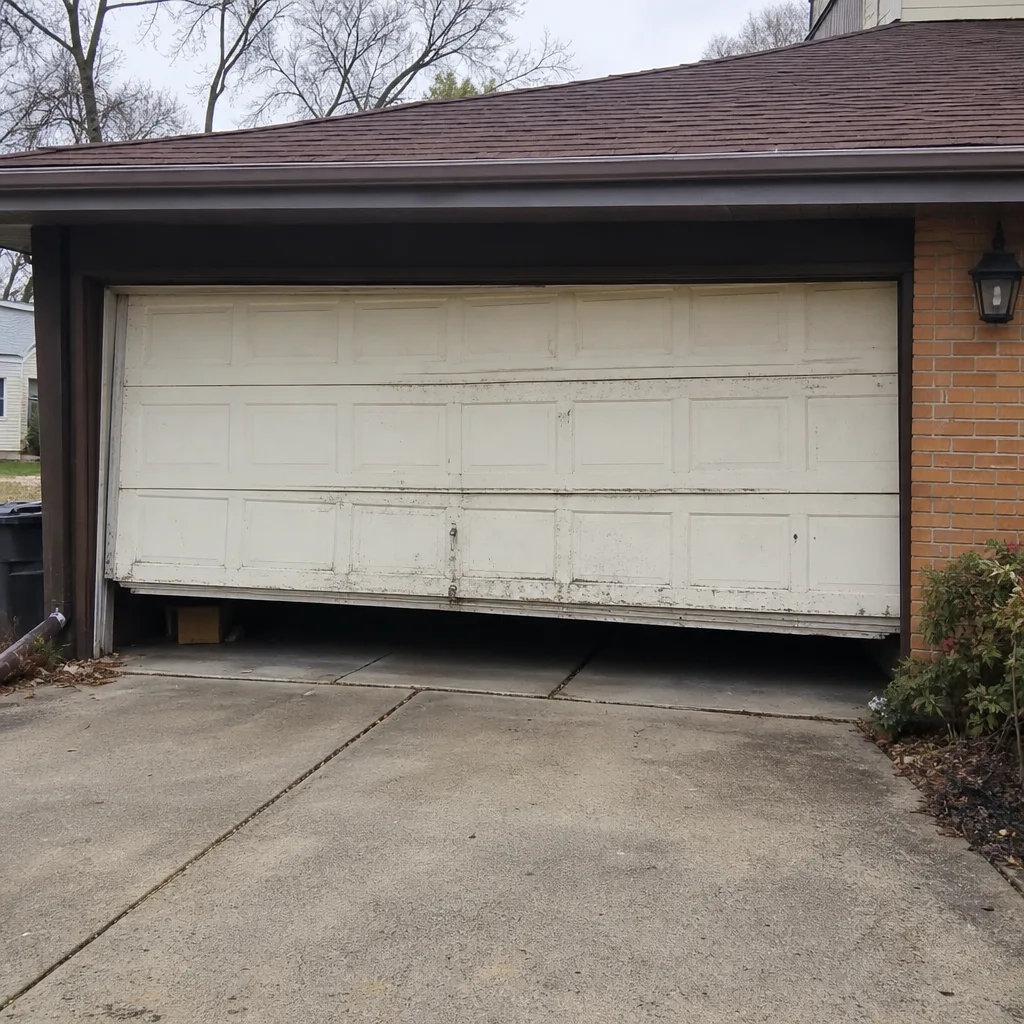 Before
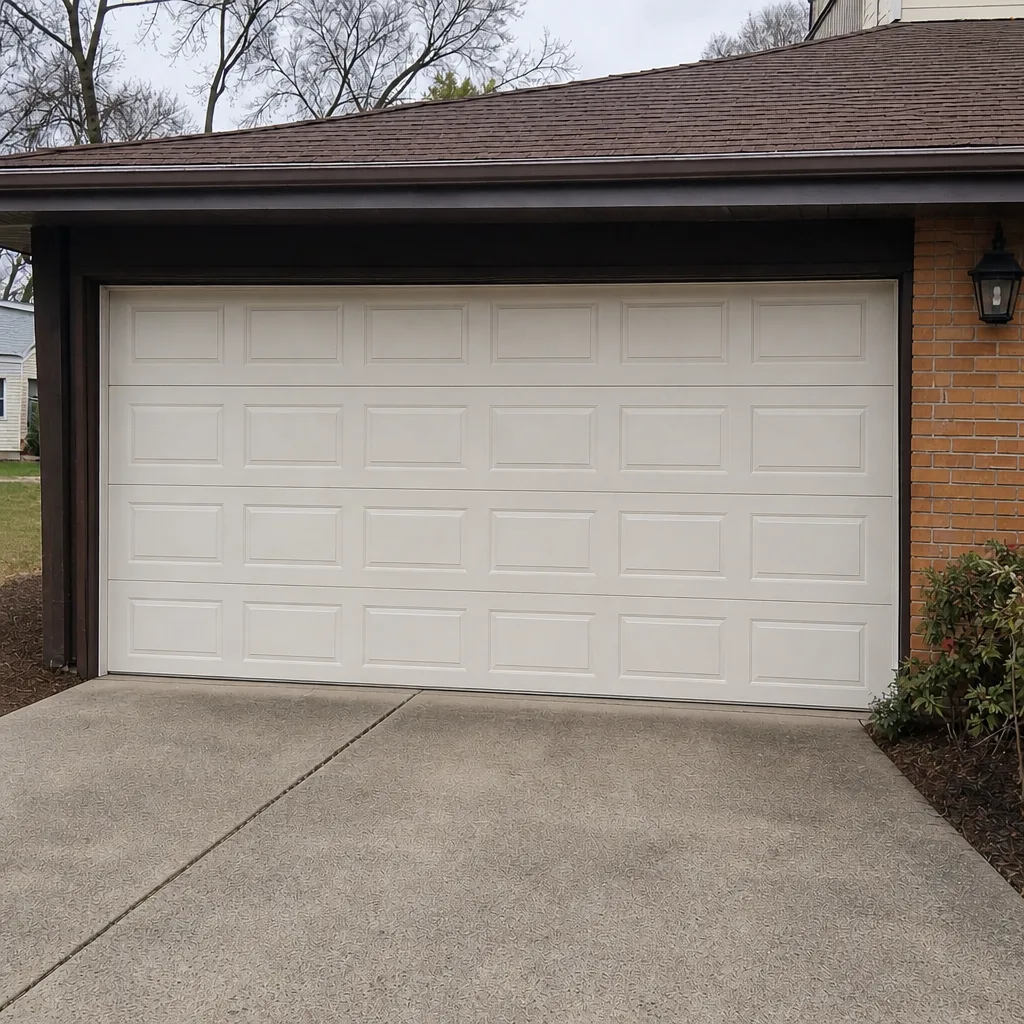 After
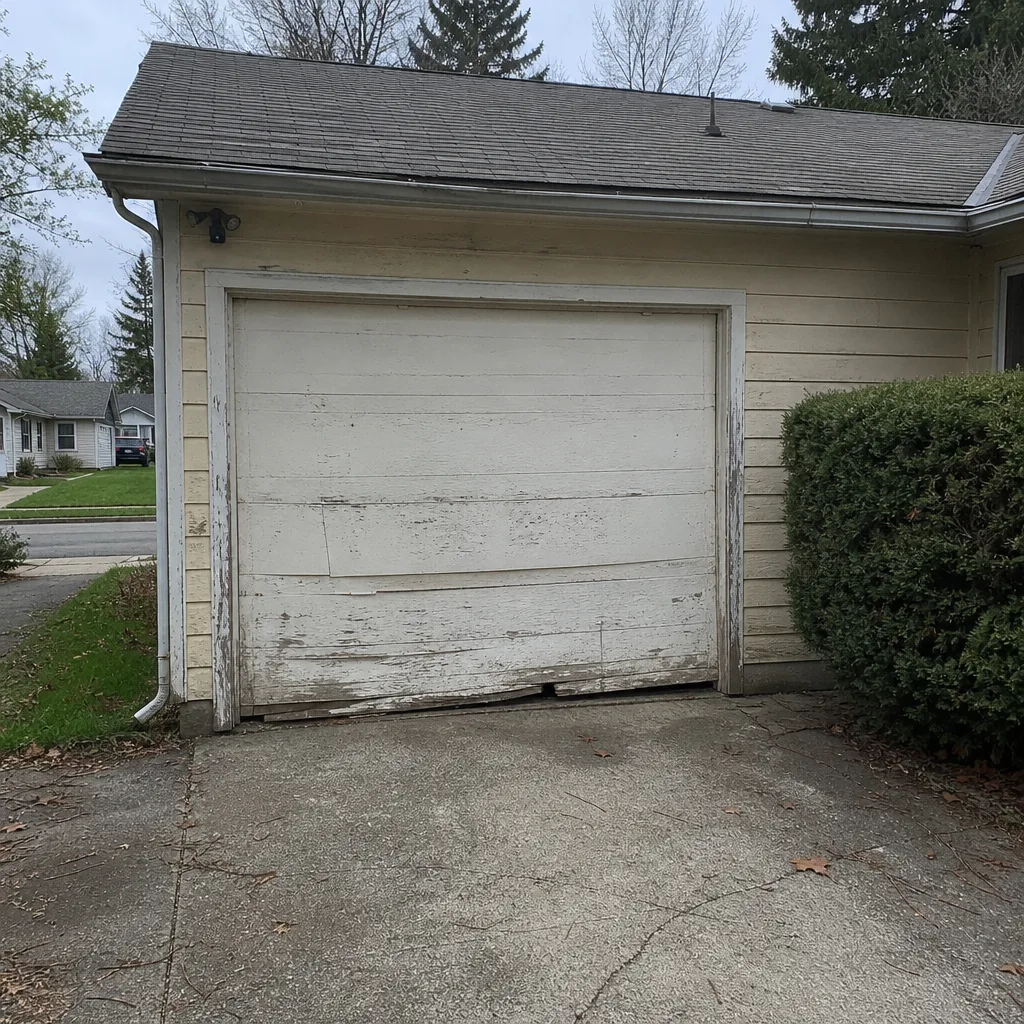 Before
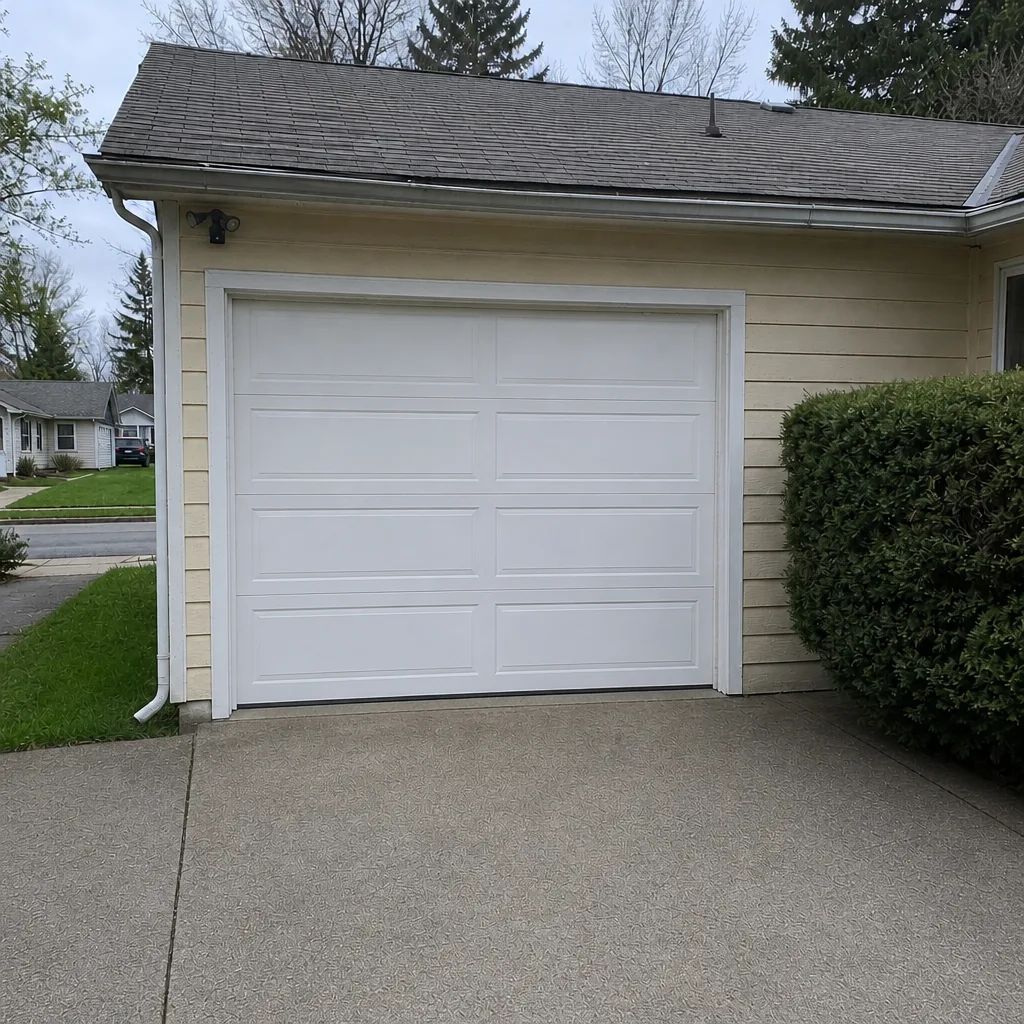 After
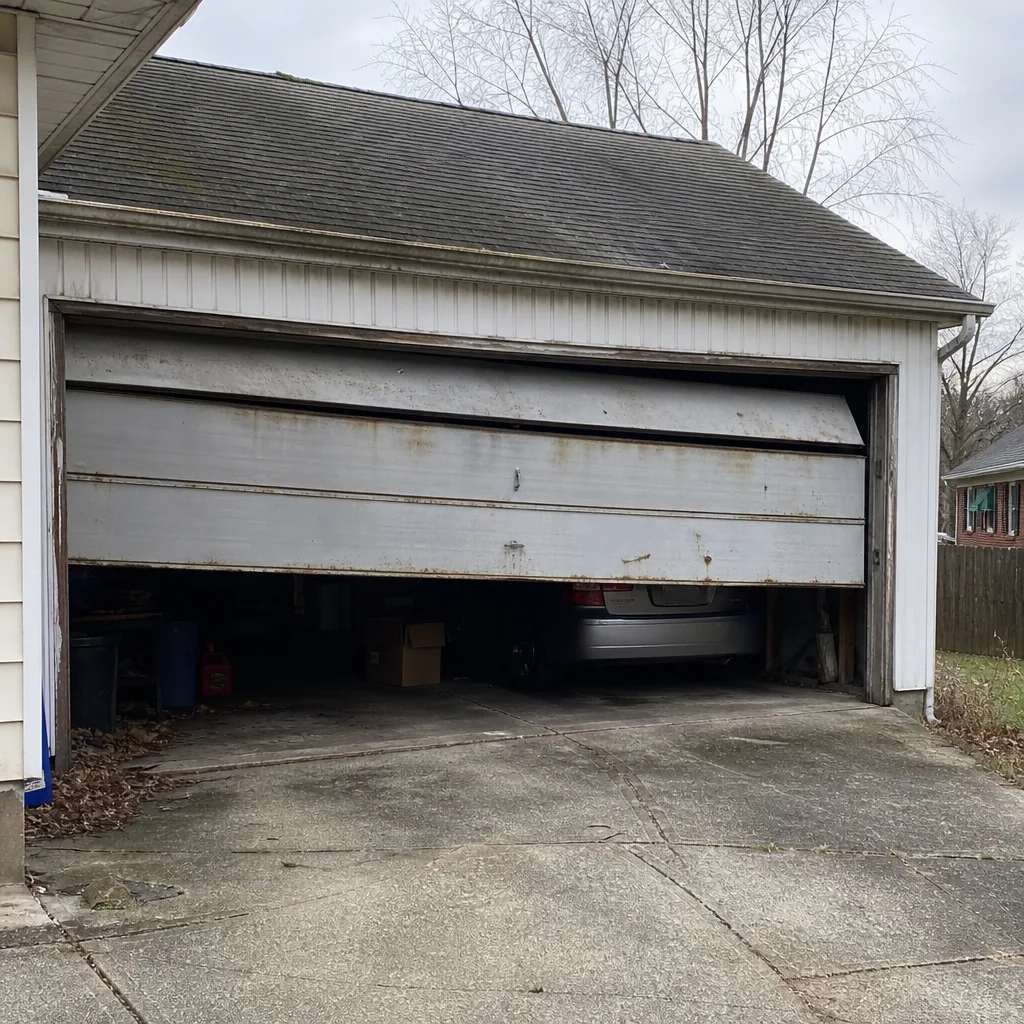 Before
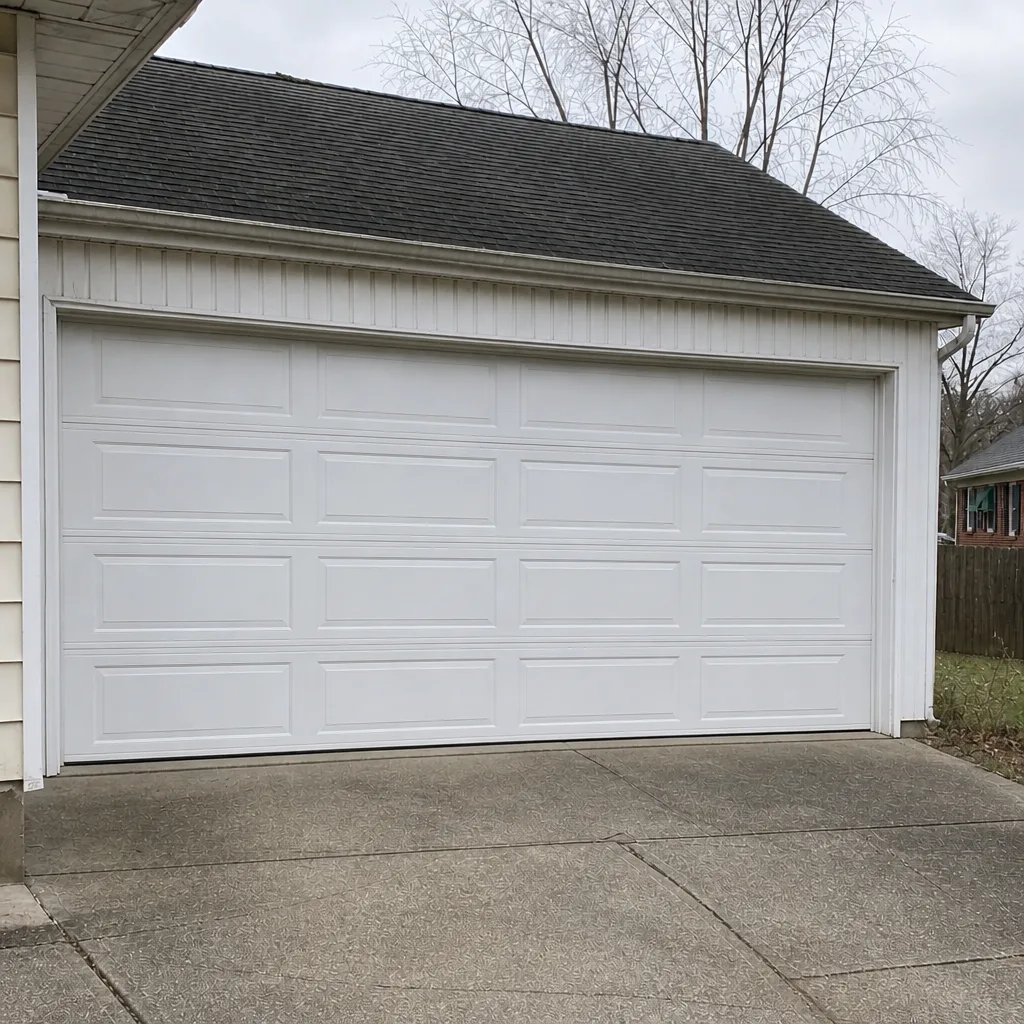 After
When to Call a Professional
Some seasonal checks are easy to do yourself: tightening a hinge, clearing leaves, testing the safety reverse. Others need a trained eye. Spring and cable work is the most obvious – those parts are under heavy tension and can cause serious injury if handled by someone without the right training. If your door is binding, sticking, or making unusual noises, if the balance test fails, or if you’re not sure whether an opener or the door is the culprit, it’s time to call. Our Garage Door Repair Northland team focuses only on garage doors, and our technicians have up to 8 years of experience working with the brands most Northland homes own. Garage Door Repair Northland offers free estimates in Northland – call (866) 347-6067, and we’ll take a look before the season turns.
Frequently Asked Questions
It’s the rapid temperature swings, not the cold itself. A warm front pushing temperatures into the forties followed by a cold snap in the teens cycles stress into spring steel far faster than a steady freeze. That pattern peaks between January and March in Northland, which is why checking spring tension in October is the single most useful habit in this guide. Call (866) 347-6067 for a free estimate if you suspect a problem.
Twice a year is the practical answer: a full check in October before the freeze-thaw cycle starts, and a lighter check in April before the humid season. In between, a monthly once-over of the safety reverse and the bottom seal catches most of the small problems before they grow. If you’d rather not do it yourself, our team can walk through the full check in a single visit.
Early spring, before humidity climbs in May and June. Once the wood absorbs moisture, it swells, and sealing after the swelling has started traps the moisture instead of keeping it out. April is the right window. If your door is already warped, sealing won’t fix it, but a steel replacement takes the problem off the table entirely.
Following the manufacturer’s documented adjustment procedure is generally fine, but getting it wrong is easy. If the door binds after you adjust the limits, the issue is usually the track or a hinge, not the opener, and adjusting the opener to compensate makes it worse. Our opener repair team can check both at the same time, which is what usually solves it.
Heat expands the steel track, and that expansion can throw off the alignment between the door and the opener. You’ll see it as a door that binds, or one that closes and immediately reverses. A visible gap between the door and the track of more than about an eighth of an inch is a sign the track has shifted. If the gap keeps growing, it’s worth a check before the problem gets worse.
Most cities require a permit for a structural change, and the rules vary by municipality. If you’re replacing a door in kind, it’s often simpler, but it’s always worth asking your city’s building department before you schedule the work. We can help you sort out what your project needs before you book it.
The Bottom Line
A Northland garage door doesn’t wear on a generic schedule. It wears with the weather: springs stressed by winter freeze-thaw, wood panels swollen by late-spring humidity, tracks expanded by summer heat, and bottom seals ground down by fall leaves. The fix is a shift in timing, not a bigger maintenance budget. Do your spring check in October, your wood sealing in April, and your seal inspection in September, and you’ll stay ahead of most of the problems that catch other homeowners off guard. Our technicians have up to 8 years of experience, and we only work on garage doors – which means we know exactly what Northland weather does to them. If anything looks off, call (866) 347-6067 for a free estimate and we’ll sort it out before the next season turns.
Written by the team at Garage Door Repair Northland.